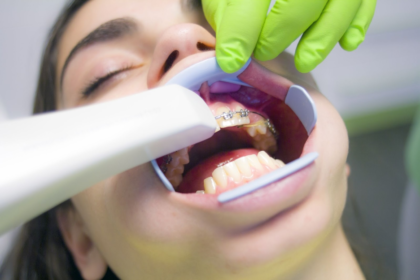
Choosing a dentist who understands your unique needs starts with knowing what those needs are. Some patients need straightforward preventive care, while others manage ongoing medical conditions or complex treatment plans. With the right match, appointments can run more smoothly. Here is more information on choosing a dentist:
How Is a Dentist Chosen?
People can choose a dentist by narrowing options based on logistics, then move toward details about services and communication style. With a short checklist, patients can match what they want from care with what each office offers.
- Services: Review whether the practice provides preventive, restorative, and cosmetic treatments.
- Training: Learn more about the dentist’s background and approach to care.
- Scheduling: Check office hours, response times, and how the team manages urgent needs.
- Communication: Pay attention to how staff members speak on the phone.
Once the list is narrowed down, a first visit works as both an exam and an interview. Patients can see how the team explains findings, presents treatment options, and whether they invite questions or move quickly through the appointment.
How Are Unique Needs Met?
Unique dental needs range from sensory sensitivity to medical conditions affecting healing or oral health. A dentist who responds to those needs starts by asking detailed health questions, and they update that information regularly to track changes over time. When that history guides treatment choices, patients receive care that aligns with their broader health profile.
Someone with a strong gag reflex may benefit from modified techniques or tools. A person with joint or mobility limitations may need different chair positions or visit lengths; these adjustments influence comfort and safety throughout treatment. Communication plays a central role in meeting unique needs because patients arrive with different expectations and decision-making styles. When a patient leaves a visit knowing what was done, why it was done, and what happens next, that clarity supports long-term cooperation and better outcomes.
How Is Dental Care Beneficial?
Routine dental care supports oral health, and it also links to broader well-being. Regular cleanings remove plaque and tartar that daily brushing and flossing miss. Exams give the dentist a chance to spot early signs of decay, gum disease, or bite problems. When issues are caught early, treatment can stay less invasive and more predictable, which helps patients maintain function.
Targeted treatment addresses specific concerns such as worn enamel, missing teeth, or alignment issues. Restorations help patients chew more effectively, and they also distribute bite forces more evenly, which protects remaining teeth. When teeth and gums stay stable, it can become easier to maintain a consistent home care routine. A consistent routine supports long-term oral health.
Ongoing care also has a practical side, since untreated problems tend to progress. A small cavity that receives prompt attention may need a simpler restoration, while a neglected one risks deeper infection and more complex treatment. Patients benefit from keeping regular visits and following agreed treatment plans.
Book a Consultation Today
A consultation visit helps you see how an office operates and how the team approaches individual needs. During that visit, share your health history, describe any past dental experiences that shaped your expectations, and outline your goals for function and appearance. Ask how the dentist structures treatment plans and follow-up visits, and notice how clearly they answer your questions. If you have unique dental needs, schedule a dental consultation today.