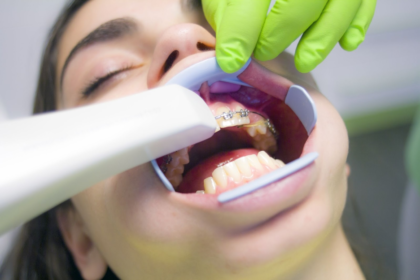
Root canal treatment is a common dental procedure that addresses problems affecting the inner portion of a tooth. Each tooth contains soft tissue known as pulp, and it houses nerves, blood vessels, and connective tissue. When this tissue becomes inflamed or infected, a dentist may recommend root canal therapy as an option for preserving the natural tooth rather than removing it.
What Is Root Canal Treatment?
Root canal treatment is a procedure that removes damaged or infected pulp from the interior of a tooth. The pulp extends from the crown, which is the visible part of the tooth, through narrow channels in the roots known as root canals. The process typically follows some general steps, and these include:
- The dentist numbs the tooth and surrounding area with a local anesthetic.
- A thin protective sheet, called a dental dam, isolates the tooth and keeps it dry.
- A small opening in the top of the tooth is created to reach the pulp.
- The dentist uses specialized instruments to remove the pulp and clean and shape the canals.
- The canals are filled with a material called gutta-percha and sealed.
- A temporary or permanent filling closes the opening.
Treatment may be completed in one appointment, or some cases require multiple visits, depending on the condition of the tooth. Treated teeth can later receive a crown, which is a custom cap that covers the tooth and restores its shape and function.
Who Is It For?
Root canal treatment may be recommended for individuals whose tooth pulp has been affected by deep decay, a crack or chip, or an injury. Pulp damage can affect a tooth, even when no visible sign appears on the tooth surface. Individuals who notice certain symptoms may benefit from a dental examination, and these include:
- Persistent tooth pain, particularly when chewing or biting
- Lingering sensitivity to hot or cold temperatures
- Darkening or discoloration of a tooth
- Swelling or tenderness in the nearby gums
- Small, pimple-like bump on the gums
These symptoms can be associated with a range of dental conditions. A dentist typically uses a clinical examination and X-rays to evaluate the tooth and determine whether the pulp is affected.
What Does Follow-up Care Involve?
Follow-up care begins after the procedure and continues until the tooth receives its final restoration. Some tenderness in the treated area is common for several days, and patients should follow their dentist’s specific instructions regarding pain relief. A treated tooth needs the same daily care as the rest of your teeth. Brush twice a day with toothpaste, and clean between your teeth once a day with floss. Routine dental checkups and cleanings help keep your tooth healthy over time. If you notice increasing pain, contact your dentist so they can address the problem promptly.
Speak Further With a Dentist
A tooth that has received root canal treatment is often monitored over time; dentists may take follow-up X-rays during later checkups to evaluate how the surrounding bone and tissue are healing. A dentist is able to explain each stage of treatment, outlining what recovery can look like for a particular tooth. Contact a dentist to learn whether root canal therapy is an appropriate option for your oral health needs.