
Preparing for a vascular doctor appointment involves reviewing medical history, gathering relevant records, and documenting current medications and symptoms. Patients should wear comfortable clothing that allows access to their legs, especially when vascular examinations or ultrasound testing are planned. Because vein conditions vary, providers use patient information and diagnostic findings to evaluate circulation concerns and recommend appropriate treatment options. Here is more information about how to prepare for your appointment with a vascular doctor:
Knowing What to Expect
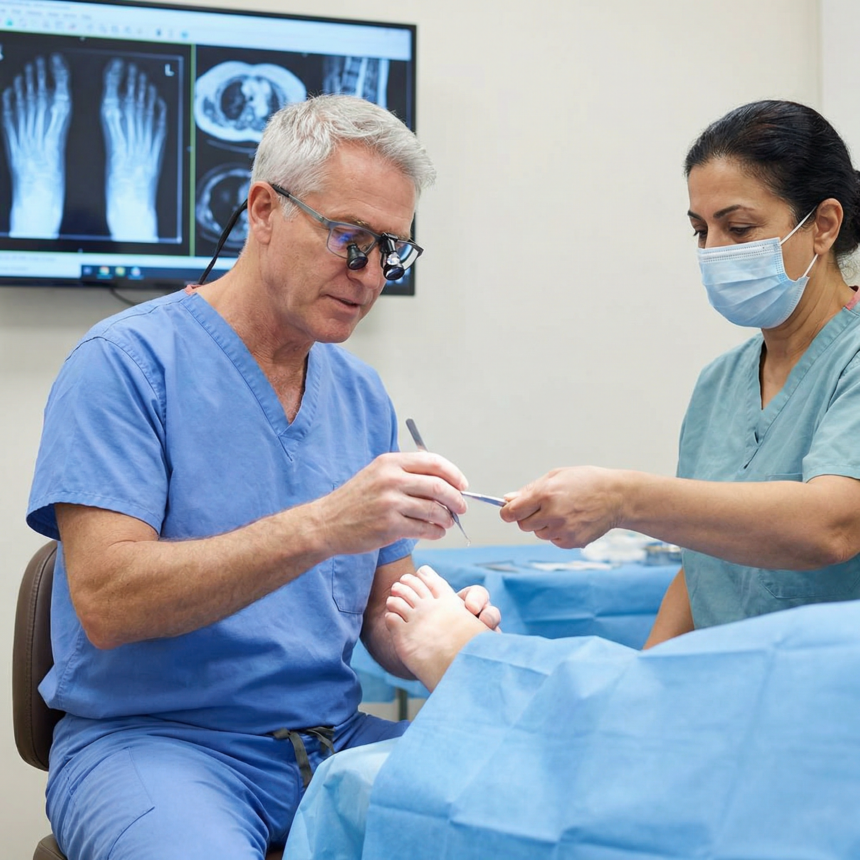
Initial vascular appointments typically begin with reviewing medical history, current symptoms, and previous treatments for vein-related conditions. Providers examine the legs for visible veins, swelling, skin changes, and other signs of circulation concerns. Because symptoms vary between patients, a vascular doctor may recommend ultrasound testing to evaluate blood flow and vein function.
Vascular ultrasound uses sound waves to examine blood vessels without surgical incisions or radiation exposure. During the examination, a technician applies gel and moves a handheld probe across the affected area. Common steps during vascular evaluations include:
- Assessing current symptoms: Identifying leg swelling, aching, heaviness, skin changes, and discomfort associated with prolonged standing.
- Examining affected areas: Checking visible veins, skin appearance, tenderness, and swelling during a physical examination.
- Performing vascular ultrasound: Using a handheld probe to evaluate blood flow, vein structure, and possible circulation abnormalities.
- Reviewing diagnostic findings: Discussing examination results and identifying conditions that may require additional testing or treatment.
- Exploring treatment options: Explaining available procedures, conservative management approaches, and appropriate follow-up recommendations based on individual findings.
Gathering Your Medical Records
Preparing for a vascular appointment involves collecting medical records, previous imaging results, and information about earlier vein treatments. Patients should bring relevant surgical histories, laboratory findings, and treatment summaries from other healthcare providers when available. These records help vascular specialists review existing health concerns and determine whether additional testing is appropriate.
Documenting symptoms provides further information about possible circulation or vein conditions. Patients should record when swelling, aching, or visible vein changes began and identify activities that affect their symptoms. Because discomfort sometimes changes with standing, walking, or leg elevation, these details help providers evaluate symptom patterns.
A current medication list should include prescription drugs, over-the-counter medications, supplements, dosages, and administration schedules. Patients taking blood thinners or anti-inflammatory medications should discuss their use with the vascular specialist before testing or treatment. This information helps providers review medication-related risks and develop appropriate evaluation or treatment recommendations.
Preparing Relevant Questions
Preparing questions before a vascular appointment helps patients discuss symptoms, diagnostic testing, and available treatment options with their provider. Patients may want information about visible veins, leg swelling, ultrasound examinations, or recovery expectations following vein procedures. Because individual vascular concerns vary, writing down questions beforehand helps organize the discussion and address specific health needs. Common questions include:
- What causes my vein symptoms?
- What does vascular testing involve?
- What treatments are available?
- How does sclerotherapy work?
- What recovery time is expected?
- When will results be available?
Schedule With a Vascular Doctor
Preparing for a vascular appointment involves gathering medical records, reviewing medications, and documenting current symptoms. Patients should also prepare questions and wear comfortable clothing that allows access to areas requiring examination. Because vascular conditions vary, providers use medical history, physical examinations, and diagnostic testing to recommend appropriate care. Contact a vascular specialist today to schedule an appointment and discuss your vein health concerns.