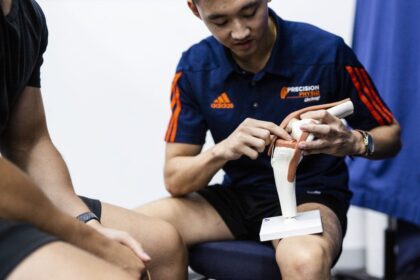
New tools and techniques are reshaping pain management, and many patients want options that fit their daily routines. Treatment plans now reach beyond a single prescription, and they often blend procedures, movement, and digital support. As research grows, doctors gain more ways to target pain signals, reduce inflammation, and track progress. Work with teams that focus on function and relief.
Treatment and Interventional Options
Some people want treatments that target specific nerves or joints, and interventional procedures continue to expand. These pain treatment options sit between basic medication and major surgery. Since they often aim at the source of pain signals, share all your areas of pain.
- Image‑guided injections deliver medication to precise tissues, and they may reduce inflammation that limits movement.
- Radiofrequency procedures use focused heat on selected nerves, and they may interrupt pain messages for a period.
- Implantable stimulators send controlled electrical pulses, and they can adjust how the nervous system processes pain.
- Regenerative therapies aim at damaged tissues, and they may support healing in joints, tendons, or spinal structures.
- Minimally invasive techniques often use small incisions, and they may shorten recovery time after certain procedures.
Care Models and Plans
Future pain management trends point toward whole‑person care. That means treatment plans look beyond a single painful spot. A specialist studies posture, sleep, stress load, and daily activity, and each piece influences long‑term outcomes. Movement therapy, targeted exercise, and ergonomic changes often join procedural care in the same plan. When these elements align, patients often gain strength, and daily tasks feel more manageable.
Regular visits and check‑ins expand access, and they keep care teams updated between all of your appointments. Education also plays a larger role, because patients who understand their condition tend to follow treatment steps more closely. Providers explain how nerves, joints, and muscles interact, and that knowledge supports better choices at home. Many clinics integrate breathing drills and pacing strategies. Those tools help people handle flare days.
Technology and Personalized Care
Technology now shapes both diagnosis and ongoing monitoring, and its influence will likely keep growing. That data feeds into treatment decisions. It guides adjustments when progress slows. These tools support clinicians, and they leave final decisions with the medical team. Personalized care also means pain management plans stay flexible, and they adapt as life changes. A person recovering from surgery needs different support than someone living with long‑term joint disease. Some patients respond well to injections, while others gain more from exercise and movement retraining. A strong plan respects those differences, and it keeps communication open between patient and provider. This approach reduces one‑size‑fits‑all thinking, and it supports safer use of medications over time.
Book Pain Management Treatment
Anyone dealing with ongoing pain does not need to wait for distant breakthroughs, because options already exist. If you want a more modern approach to your symptoms, schedule a visit. Ask how emerging techniques fit your situation. Thoughtful collaboration with a specialist today lays the groundwork for better comfort, so you can function in the years ahead.