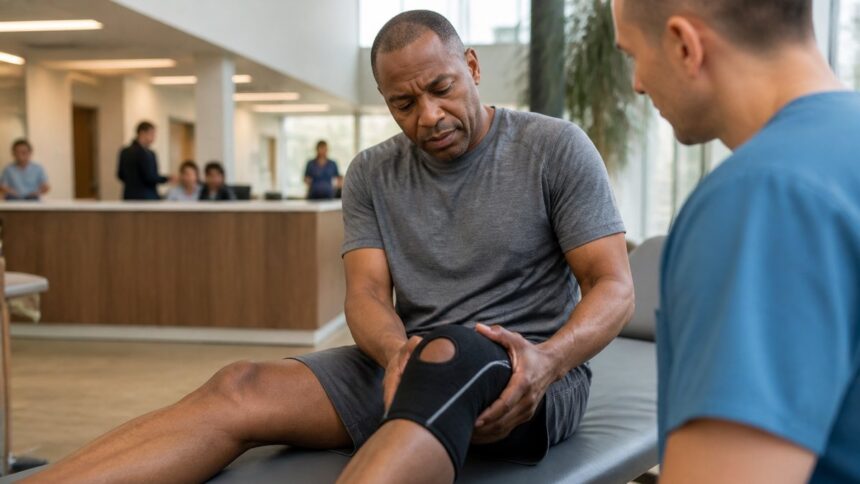
Advanced care for a meniscus tear focuses on protecting the joint, preserving healthy cartilage, and restoring motion. The meniscus cushions the knee, so damage disrupts daily movement. It also raises the risk of further joint strain. Treatment choices range from repairing the torn tissue to replacing damaged joint surfaces with artificial components. Learn about advanced care for meniscus injuries.
Meniscal Repair
Meniscal repair works to save as much natural cartilage as possible to protect long-term knee function. The surgeon places sutures to reconnect the torn edges, and the body heals the repaired tissue. This approach often suits tears near areas with better blood supply, and it supports joint stability over time.
Advanced imaging helps define the pattern of a meniscus tear and guides the repair strategy. Your care team may review your activity level, age, and joint alignment; they check for other ligament or cartilage injuries. These details shape the plan so the repair supports both healing and future movement.
During recovery, structured rehabilitation helps the repair succeed and reduces stiffness. A physical therapy plan utilizes motion and strengthening in increments. This gradual approach protects the sutured tissue and rebuilds the muscles that support the knee.
Total Knee Replacement
Total knee replacement is recommended when a meniscus tear occurs with advanced joint damage. In this procedure, worn bone and cartilage surfaces are replaced with metal and plastic components. The goal is to reduce pain that no longer responds to other treatments and restore a more stable gait.
Before surgery, the care team evaluates overall health and reviews imaging of the joint surfaces. They look for deformity, bone spurs, and narrowing of the joint space, and they match implant options to those findings. This planning stage supports a smoother procedure and a more predictable recovery path.
Arthroscopic Knee Surgery
Arthroscopic knee surgery uses small incisions and a camera to address a meniscus tear or other injuries. The surgeon views the inside of the joint on a monitor, and instruments pass through portals to trim or repair tissue. This minimally invasive approach limits disruption of surrounding structures, and it can lead to shorter hospital stays.
During arthroscopy, the surgeon can address several problems at once, and this may reduce the need for future procedures. They may smooth frayed cartilage, remove loose fragments, or reconstruct ligaments, and each step supports joint function. These combined treatments create a more stable environment while protecting remaining cartilage.
- Smaller incisions reduce soft tissue trauma
- Direct visualization improves assessment of joint structures
- Targeted treatment limits damage to healthy tissue
Rehabilitation after arthroscopy still requires structure and patience. Early motion helps limit stiffness, while progressive strengthening supports balance and joint control. Following the recommended activity timeline helps protect healing tissues while reducing setbacks.
Treat Your Meniscus Tear
Prompt evaluation of a meniscus tear gives you more options to protect the joint and preserve long-term function. A tailored plan may include meniscal repair, arthroscopic treatment, or joint replacement. Schedule a meniscus tear consult with your doctor to see which option is right for you.