
Introduction
Allergies are becoming more common in people of all ages. Many individuals experience symptoms like sneezing, coughing, skin rashes, watery eyes, or breathing problems without knowing the exact cause. These reactions often happen when the immune system reacts to harmless substances such as dust, pollen, food, or pet dander.
- Introduction
- What Is Allergy Testing?
- Why Allergy Testing Is Important
- Identify the Exact Cause
- Avoid Triggers
- Get Proper Treatment
- Improve Quality of Life
- Prevent Severe Reactions
- Common Symptoms That Indicate You Need Allergy Testing
- Types of Allergy Tests
- 1. Skin Prick Test
- 2. Blood Test (IgE Test)
- 3. Patch Test
- 4. Food Allergy Test
- 5. Challenge Test (Under Supervision)
- What Happens During Allergy Testing?
- Step 1: Medical History
- Step 2: Choosing the Test
- Step 3: Performing the Test
- Step 4: Observation
- Step 5: Results Discussion
- Are Allergy Tests Safe?
- Benefits of Allergy Testing Near Me
- How to Prepare for Allergy Testing
- After Allergy Testing: What Happens Next?
- Tips for Managing Allergies at Home
- Conclusion
- Frequently Asked Questions (FAQs)
If you are searching for “allergy testing near me”, it usually means you are looking for answers about what is triggering your symptoms. Allergy testing is the first and most important step to understand your body’s reactions and find the right treatment.
In this article, we will explain what allergy testing is, why it is important, different types of allergy tests, how the process works, and what you should expect during and after testing.
What Is Allergy Testing?
Allergy testing is a medical process used to identify substances (called allergens) that cause allergic reactions in your body. These allergens may include:
- Pollen from trees and grass
- Dust and dust mites
- Certain foods
- Pet hair or dander
- Insect bites
- Mold spores
- Medications
The purpose of allergy testing is to find the exact trigger so that a doctor can create a proper treatment plan for you.
An allergy test is usually performed by a trained doctor known as an allergy specialist or immunologist.
Why Allergy Testing Is Important
Many people ignore allergy symptoms or take random medicines without knowing the real cause. This may provide temporary relief, but the problem often returns.
Allergy testing is important because it helps you:
Identify the Exact Cause
Instead of guessing, you learn exactly what is causing your symptoms.
Avoid Triggers
Once you know your allergens, you can avoid them and reduce reactions.
Get Proper Treatment
Doctors can prescribe targeted treatments instead of general medication.
Improve Quality of Life
When allergies are controlled, you can enjoy daily activities without discomfort.
Prevent Severe Reactions
Some allergies can become dangerous if not identified early, especially food or drug allergies.
Common Symptoms That Indicate You Need Allergy Testing
You may need to search for allergy testing near you if you experience:
- Frequent sneezing or runny nose
- Itchy or watery eyes
- Skin rashes or hives
- Difficulty breathing or wheezing
- Constant coughing
- Swelling of lips, face, or throat
- Stomach pain after eating certain foods
- Seasonal allergy symptoms that keep returning
If these symptoms are ongoing or worsening, allergy testing becomes very important.
Types of Allergy Tests
There are several types of allergy tests depending on your symptoms and medical history.
1. Skin Prick Test
This is one of the most common allergy tests.
In this test:
- Small drops of allergens are placed on your skin
- The skin is lightly pricked
- The doctor observes if any reaction occurs
If you are allergic, a small red bump may appear.
2. Blood Test (IgE Test)
A blood sample is taken to measure how your immune system responds to allergens.
This test is useful for:
- People with skin conditions
- Those who cannot undergo skin testing
- Checking multiple allergies at once
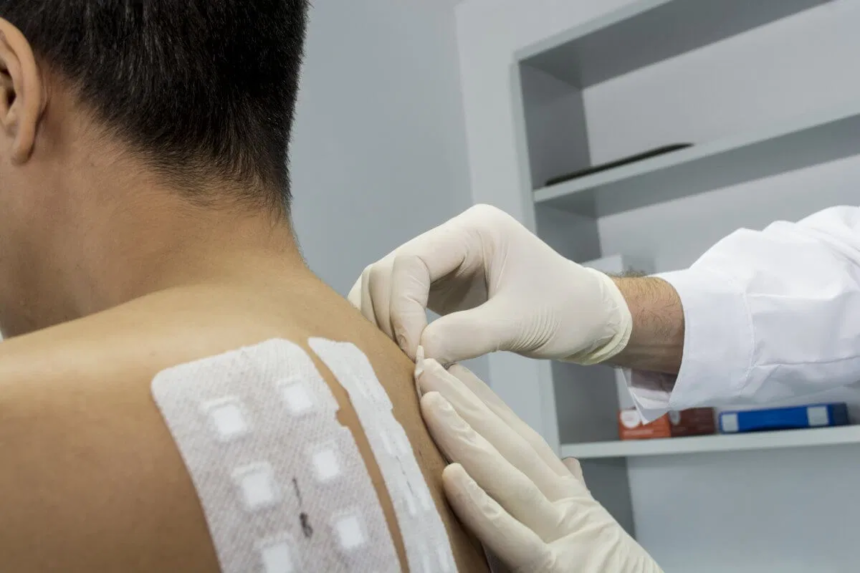
3. Patch Test
This test is used for skin allergies caused by contact with substances like cosmetics, metals, or chemicals.
Patches containing allergens are placed on your skin for 1–2 days to observe reactions.
4. Food Allergy Test
This test helps identify food-related allergies such as:
- Milk
- Eggs
- Peanuts
- Wheat
- Seafood
Doctors may also suggest an elimination diet where certain foods are removed and then reintroduced.
5. Challenge Test (Under Supervision)
In this test, the patient is given small amounts of a suspected allergen under medical supervision to check for a reaction.
This is done only in a controlled medical environment.
What Happens During Allergy Testing?
If you are visiting a clinic for allergy testing near you, here is what you can expect:
Step 1: Medical History
The doctor will ask about:
- Your symptoms
- Family history of allergies
- Lifestyle habits
- Previous allergic reactions
Step 2: Choosing the Test
Based on your symptoms, the doctor will decide which allergy test is suitable for you.
Step 3: Performing the Test
The actual testing procedure is simple and usually quick. Skin tests take about 15–30 minutes, while blood tests may take longer for results.
Step 4: Observation
The doctor checks for reactions such as redness, swelling, or irritation.
Step 5: Results Discussion
After the test, the doctor explains your results and suggests treatment options.
Are Allergy Tests Safe?
Yes, allergy tests are generally safe when performed by qualified medical professionals. Most tests cause only mild discomfort.
Skin tests may cause slight itching or redness, but these effects usually disappear quickly.
Serious reactions are rare because testing is done under controlled conditions.
Benefits of Allergy Testing Near Me
Searching for allergy testing nearby offers several advantages:
Quick Diagnosis
You can quickly identify the cause of your symptoms.
Convenient Access
A nearby clinic makes it easier to attend appointments and follow-ups.
Better Treatment Planning
Doctors can create a personalized plan based on test results.
Long-Term Relief
Proper diagnosis leads to long-term management of allergies.
Improved Daily Life
You can avoid triggers and live more comfortably.
How to Prepare for Allergy Testing
Before your test, your doctor may give instructions such as:
- Stop antihistamine medications for a few days
- Avoid applying creams on test areas
- Wear comfortable clothing
- Inform the doctor about your medical history
- Eat normally unless instructed otherwise
Proper preparation helps ensure accurate results.
After Allergy Testing: What Happens Next?
Once your results are ready, your doctor will guide you through the next steps.
Avoiding Allergens
You will be advised to stay away from substances that trigger your allergies.
Medications
Doctors may prescribe:
- Antihistamines
- Nasal sprays
- Eye drops
- Skin creams
Immunotherapy
In some cases, allergy shots may be recommended to reduce sensitivity over time.
Lifestyle Changes
You may need to make changes in diet, cleaning habits, or environment.
Tips for Managing Allergies at Home
Even after testing, daily care is important:
- Keep your home clean and dust-free
- Use air purifiers if needed
- Wash bedding regularly
- Avoid known food triggers
- Stay hydrated
- Follow your doctor’s advice
These habits help reduce symptoms and improve overall health.
Conclusion
Searching for “allergy testing near me” is the first step toward understanding your health better. Allergy testing helps identify the exact cause of your symptoms so you can receive the right treatment and avoid unnecessary discomfort.
Whether your allergies are mild or severe, proper testing can significantly improve your quality of life. With accurate diagnosis and proper care, you can manage allergies effectively and enjoy a healthier, more comfortable lifestyle.
If you experience ongoing allergy symptoms, do not ignore them—getting tested is the best way to find relief and protect your long-term health.
Frequently Asked Questions (FAQs)
1. What is allergy testing used for?
Allergy testing is used to identify substances that cause allergic reactions in your body.
2. Is allergy testing painful?
Most allergy tests are not painful. Skin tests may cause mild itching or redness.
3. How long does allergy testing take?
Skin tests take about 15–30 minutes, while blood test results may take a few days.
4. Can allergy testing detect food allergies?
Yes, allergy tests can identify food allergies such as milk, peanuts, eggs, and seafood.
5. Do I need a doctor’s prescription for allergy testing?
In most cases, yes. A doctor evaluates your symptoms and recommends the appropriate test.