
As people grow older, their healthcare needs often become more complex. Many seniors require assistance with daily activities, medication management, mobility support, and regular health monitoring. While nursing homes and assisted living facilities are options for some families, many elderly individuals prefer to remain in the comfort of their own homes. This is where elderly home healthcare services play an important role.
- What Are Elderly Home Healthcare Services?
- Why Home Healthcare Is Important for Seniors
- Types of Elderly Home Healthcare Services
- Personal Care Assistance
- Skilled Nursing Care
- Physical Therapy
- Occupational Therapy
- Speech Therapy
- Companion Care
- Memory Care Support
- Benefits of Elderly Home Healthcare Services
- Comfort and Familiarity
- Personalized Care
- Greater Independence
- Reduced Hospital Readmissions
- Family Involvement
- Cost-Effective Care
- Signs That a Senior May Need Home Healthcare
- How to Choose the Right Home Healthcare Provider
- Verify Credentials
- Evaluate Experience
- Review Services Offered
- Read Reviews and Testimonials
- Discuss Care Plans
- Check Availability
- The Role of Family Caregivers
- The Future of Elderly Home Healthcare
- Conclusion
- Frequently Asked Questions (FAQs)
Elderly home healthcare services provide professional medical and non-medical care to seniors in their homes. These services help older adults maintain their independence, improve their quality of life, and receive personalized care without leaving familiar surroundings.
In this article, we will explore what elderly home healthcare services are, the benefits they offer, the types of care available, and how families can choose the right provider for their loved ones.
What Are Elderly Home Healthcare Services?
Elderly home healthcare services are specialized care programs designed to support seniors in their own homes. These services can range from basic assistance with daily tasks to skilled medical care provided by licensed healthcare professionals.
The goal is to help seniors remain safe, healthy, and comfortable while reducing the need for frequent hospital visits or long-term residential care.
Home healthcare services are often customized to meet each individual’s unique needs. Some seniors may only require a few hours of assistance each week, while others may need full-time care and supervision.
Why Home Healthcare Is Important for Seniors
As people age, they may experience physical limitations, chronic illnesses, memory problems, or recovery challenges after surgery or hospitalization. Traveling to medical facilities can become difficult and stressful.
Home healthcare offers a practical solution by bringing professional care directly to the patient.
Many seniors feel happier and more relaxed in their own homes because they are surrounded by familiar people, belongings, and routines. This emotional comfort can have a positive impact on both physical and mental health.
Families also gain peace of mind knowing their loved ones are receiving professional support while maintaining their independence.
Types of Elderly Home Healthcare Services
There are several types of home healthcare services available for seniors. The level of care depends on the individual’s health condition and daily needs.
Personal Care Assistance
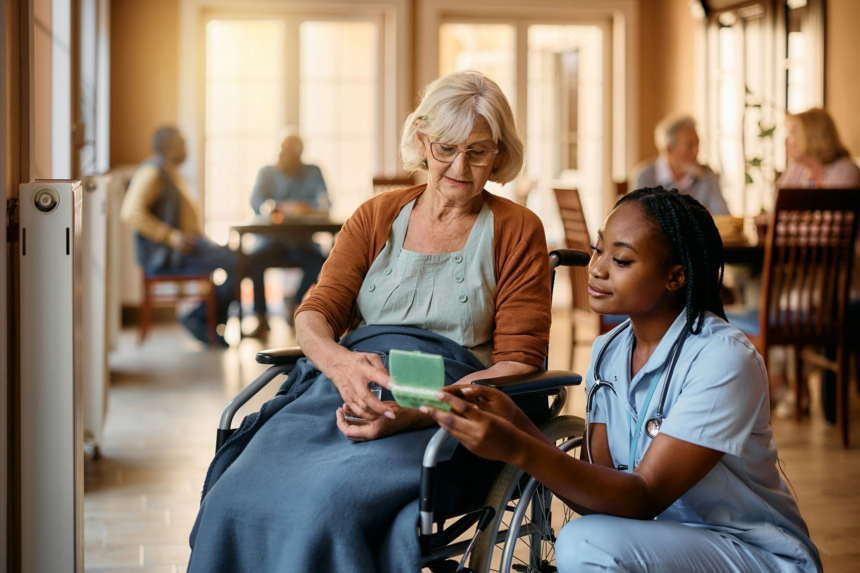
Personal care aides help seniors with daily living activities such as:
- Bathing
- Grooming
- Dressing
- Toileting
- Mobility assistance
- Meal preparation
These services help seniors maintain dignity and independence while ensuring their safety.
Skilled Nursing Care
Licensed nurses provide medical care at home, including:
- Medication administration
- Wound care
- Blood pressure monitoring
- Diabetes management
- Post-surgical care
- Health assessments
Skilled nursing services are especially beneficial for seniors recovering from illness, injury, or surgery.
Physical Therapy
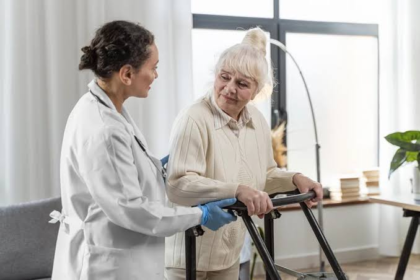
Physical therapists help seniors regain strength, balance, and mobility after injuries or medical procedures.
Therapy sessions may focus on:
- Walking improvement
- Fall prevention
- Muscle strengthening
- Pain reduction
- Joint flexibility
Regular therapy can improve independence and reduce the risk of future injuries.
Occupational Therapy
Occupational therapists help seniors perform daily tasks more safely and efficiently.
They may provide guidance on:
- Using assistive devices
- Improving hand coordination
- Home safety modifications
- Adapting daily routines
This support enables seniors to continue living independently for as long as possible.
Speech Therapy
Some seniors experience speech or swallowing difficulties due to strokes, neurological conditions, or aging-related issues.
Speech therapists help improve communication skills and swallowing function, enhancing overall quality of life.
Companion Care
Loneliness is a common concern among older adults. Companion caregivers provide social interaction and emotional support.
Services may include:
- Conversation
- Playing games
- Reading together
- Accompanying seniors on walks
- Transportation to appointments
Companion care helps reduce feelings of isolation and depression.
Memory Care Support
Seniors living with Alzheimer’s disease or dementia often need specialized assistance.
Home healthcare professionals can help with:
- Daily routines
- Safety supervision
- Medication reminders
- Cognitive stimulation activities
Specialized memory care improves safety and supports both patients and family caregivers.
Benefits of Elderly Home Healthcare Services
Home healthcare offers numerous advantages for seniors and their families.
Comfort and Familiarity
One of the greatest benefits is remaining in a familiar environment. Seniors can stay close to family members, pets, and personal belongings, which often improves emotional well-being.
Personalized Care
Home healthcare plans are tailored to each person’s needs. Caregivers focus entirely on one individual, providing more personalized attention than many institutional settings.
Greater Independence
Receiving assistance at home allows seniors to maintain control over their daily lives while getting help when needed.
Reduced Hospital Readmissions
Regular monitoring and professional care can identify health concerns early, helping prevent complications that could lead to hospitalization.
Family Involvement
Family members can remain actively involved in their loved one’s care. They can communicate directly with caregivers and healthcare providers to ensure the best possible outcomes.
Cost-Effective Care
In some cases, home healthcare may be more affordable than long-term residential care facilities, especially when only part-time assistance is needed.
Signs That a Senior May Need Home Healthcare
Families often wonder when it is time to seek professional assistance. Some common signs include:
- Frequent falls or balance problems
- Difficulty managing medications
- Poor personal hygiene
- Weight loss due to inadequate nutrition
- Memory issues
- Chronic health conditions
- Recovery after surgery
- Difficulty performing daily activities
- Increased caregiver stress among family members
Recognizing these signs early can help prevent serious health complications.
How to Choose the Right Home Healthcare Provider
Selecting the right provider is an important decision. Families should take time to research available options and ask detailed questions.
Consider the following factors:
Verify Credentials
Ensure the agency is licensed, certified, and compliant with local healthcare regulations.
Evaluate Experience
Look for providers with experience caring for seniors with similar medical conditions or care needs.
Review Services Offered
Choose an agency that provides the specific services your loved one requires.
Read Reviews and Testimonials
Online reviews and recommendations from healthcare professionals can offer valuable insights.
Discuss Care Plans
A reputable provider should create a customized care plan and regularly update it as needs change.
Check Availability
Confirm that caregivers are available during the required hours, including weekends and emergencies if necessary.
The Role of Family Caregivers
Family members often play a major role in caring for aging loved ones. While this support is valuable, caregiving can also be physically and emotionally demanding.
Home healthcare services can complement family caregiving by providing professional assistance and reducing caregiver burnout.
This partnership allows family members to spend more quality time with their loved ones rather than focusing solely on caregiving tasks.
The Future of Elderly Home Healthcare
The demand for elderly home healthcare services continues to grow as populations age worldwide.
Advances in technology are making home healthcare even more effective. Remote monitoring devices, telehealth consultations, medication reminders, and mobile health applications allow healthcare professionals to monitor patients more closely without requiring frequent office visits.
These innovations help seniors receive high-quality care while remaining safely at home.
Conclusion
Elderly home healthcare services provide a valuable solution for seniors who wish to age comfortably and safely in their own homes. From personal care and companionship to skilled nursing and therapy services, home healthcare offers a personalized approach that supports independence and improves quality of life.
For families, these services provide peace of mind and professional support during challenging times. By choosing the right home healthcare provider, seniors can receive compassionate care tailored to their unique needs while enjoying the comfort and familiarity of home.
As healthcare continues to evolve, elderly home healthcare services will remain an essential part of helping older adults live healthier, happier, and more independent lives.
Frequently Asked Questions (FAQs)
1. What are elderly home healthcare services?
Elderly home healthcare services provide medical and non-medical support to seniors in their own homes, helping them maintain health, safety, and independence.
2. Who can benefit from home healthcare services?
Seniors recovering from surgery, managing chronic illnesses, experiencing mobility issues, or needing assistance with daily activities can benefit from home healthcare.
3. Are home healthcare services covered by insurance?
Coverage varies depending on the insurance plan, healthcare needs, and local regulations. Many medical services may qualify for coverage under certain programs.
4. How often can a caregiver visit a senior at home?
Care schedules are flexible and may range from a few hours per week to 24-hour care, depending on the individual’s needs.
5. How do I know if my loved one needs home healthcare?
Signs include difficulty with daily activities, medication management issues, frequent falls, memory problems, chronic health conditions, or recovery after hospitalization.