
The digestive and immune systems are closely connected. Because the gut houses a large portion of the body’s immune cells, the balance of bacteria within it directly influences how the body responds to illness. This relationship helps explain why digestive symptoms sometimes coincide with frequent infections or inflammation elsewhere in the body, and a gastroenterologist can provide targeted treatment. Here is more information on what digestive health means and how it affects immune function:
What Is Digestive Health?
Digestive health refers to the proper functioning of the organs and processes that break down food, absorb nutrients, and eliminate waste. When the digestive system works efficiently, it maintains a stable internal environment, which supports overall health.Poor digestive health can lead to bloating, irregular bowel movements, and nutrient deficiencies. The liver, pancreas, and gallbladder all contribute enzymes and chemicals that support digestion, and when one of these organs underperforms, the entire system can become unbalanced.
What Does It Involve?
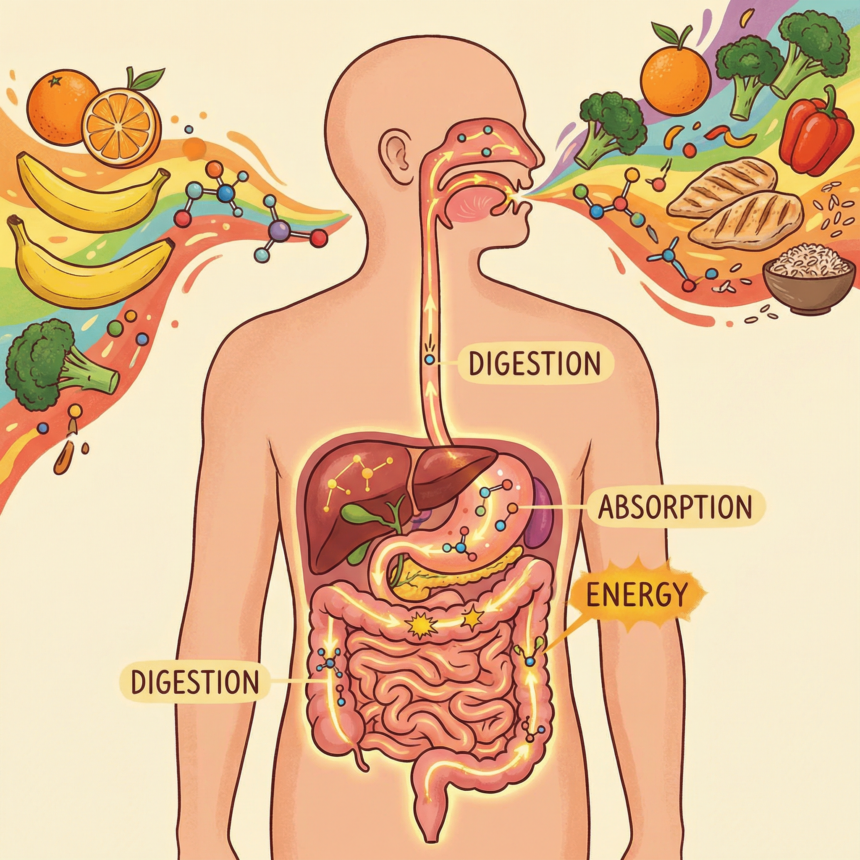
Digestion is a multi-stage process that begins in the mouth and ends in the large intestine. Key components of this process include:
- Enzymatic breakdown: Saliva enzymes initiate carbohydrate digestion in the mouth.
- Gut microbiome regulation: Gut bacteria help break down fiber, produce certain vitamins, and regulate the gut lining.
- Microbiome composition: A diverse and balanced microbiome supports smoother digestion and a more resilient gut barrier.
Understanding how digestion functions across these components provides a foundation for identifying disruptions that may contribute to chronic digestive issues.
What Is the Immune System?
The immune system is the body’s defense network against harmful pathogens; these pathogens include bacteria, viruses, and parasites. The immune system must identify each one before it can respond. It consists of white blood cells, antibodies, and specialized organs such as the spleen and lymph nodes, which work together to identify foreign invaders and coordinate a response to neutralize them.
A significant portion of the immune system resides in the gut. This tissue is known as gut-associated lymphoid tissue. It monitors the contents of the digestive tract, and it responds to harmful substances while tolerating beneficial bacteria and nutrients. Since this tissue is in the digestive tract, disruptions in gut health can directly affect how well it does its job. These effects may extend to the rest of the immune system.
How Are They Connected?
The gut lining acts as a barrier between the digestive tract and the rest of the body. When this barrier is compromised, undigested food particles and bacteria can enter the bloodstream. This triggers an immune response, and repeated occurrences may contribute to chronic inflammation.
An imbalance in gut bacteria, known as dysbiosis, may be linked to several immune-related conditions; these include autoimmune disorders and allergies. A healthier gut microbiome helps keep the immune response more balanced. If patients experience recurring infections along with digestive discomfort, they may benefit from evaluating whether a gut microbiome imbalance contributes to these concerns.
Diet and sleep influence digestive and immune function. Choosing fiber-rich foods and limiting processed sugar can support a healthier gut microbiome, which in turn supports a more responsive immune system. Probiotics and prebiotics help restore microbial balance, but their effectiveness varies by individual and condition.
Learn More From a Gastroenterologist
Digestive health and immune function are closely linked through the gut’s bacterial environment and its lining. A well-functioning digestive system supports a stronger immune response; imbalances can contribute to inflammation and increased susceptibility to illness. If you notice a pattern between digestive symptoms and recurring infections or inflammation, consult a gastroenterologist. A thorough evaluation can identify underlying causes and guide treatment options tailored to individual needs.