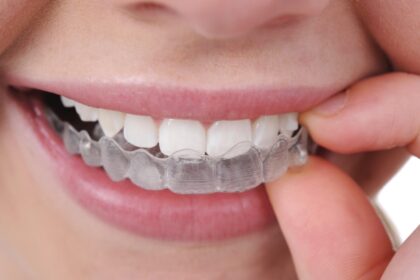

Dental veneers are thin shells that attach to the front surface of teeth, and they offer patients a straightforward way to improve their smile’s appearance. When patients consult their dentist about veneers, they can learn more about the procedure and decide whether it fits their dental needs. Here is more information on what veneers are, how they work, and the main advantages they provide:
What Are Veneers?
Veneers are thin shells made from porcelain, and they are custom-made to fit each patient’s teeth. Each veneer covers the front surface of a tooth. Because they match the shape, size, and color of natural teeth, they create a seamless appearance that conceals underlying imperfections. Porcelain veneers are durable and stain-resistant, making them a long-lasting option for dental patients.
How Do They Work?
The process begins with a consultation. When patients attend this visit, the dentist examines their teeth, discusses their goals, and takes X-rays or impressions to assess dental health. This allows the dentist to determine whether veneers are a suitable option, and helps tailor the treatment plan to the patient’s specific needs.
Once a treatment plan is established, the dentist removes a small amount of enamel from the front of the teeth to create room for the veneer. This step is key; it allows the veneer to bond securely to the tooth’s surface. The dentist then takes an impression and sends it to a lab. The lab fabricates the custom veneers.
During the follow-up visit, the dentist checks the veneers’ fit and color. The dentist makes minor adjustments as needed, and then they permanently bond the veneers after confirming a proper fit. Patients typically leave this appointment with a fully restored smile, although additional follow-up visits may be scheduled to monitor the results.
Who Do They Help?
Veneers suit patients with a range of cosmetic dental concerns. Candidates typically include those who have:
- Chipped, cracked, worn-down, or oddly shaped teeth
- Gaps or minor spacing issues that may otherwise require orthodontic treatment
- Severe discoloration that has not responded to whitening treatments
Because veneers require removing a small layer of enamel, they suit patients with healthy teeth and gums. A dentist can confirm candidacy during an initial exam.
What Are the Advantages?
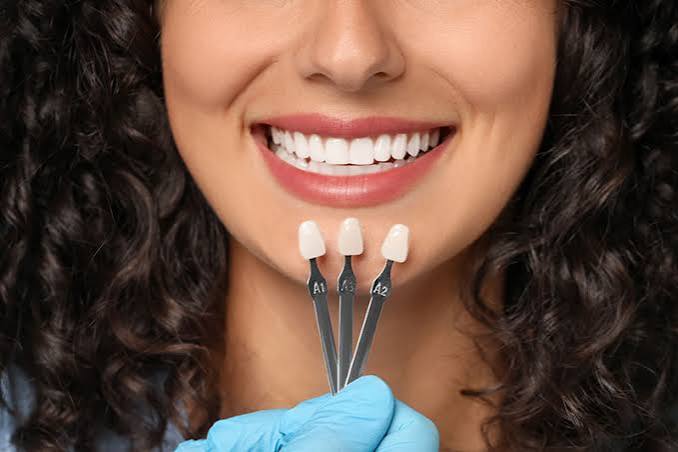
Porcelain reflects light like natural tooth enamel, which makes it difficult to distinguish from real teeth. This gives veneers a natural appearance. Patients can choose a shade that complements their complexion; the result is a cohesive, polished smile that resembles natural dentition.
Veneers are also highly durable; they can last between 10 and 15 years with proper care. They also resist staining from coffee, tea, and other common sources of discoloration, so patients can maintain a brighter smile over time without significant additional intervention. The treatment timeline is comparatively short. Unlike orthodontic treatment, which spans months or years, veneers transform a patient’s smile in a few visits, making them a practical option for those with time-sensitive goals. The process is efficient, and results are immediate.
Consult a Dentist Today
Veneers offer a reliable way to address chips, gaps, discoloration, and other cosmetic concerns while maintaining a natural look. The treatment process is relatively quick, and the results can last for years with proper care. If you are exploring your dental options, schedule a consultation with a dentist. A thorough exam will clarify candidacy and help outline a treatment plan suited to your goals.