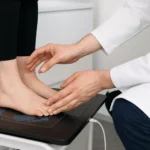


A general surgeon can perform operations across a broad range of body systems, including the abdomen, skin, soft tissue, and digestive tract. These specialists complete extensive education and hands-on training before they treat patients. People visit a general surgeon for many reasons, from evaluating a persistent wound to treating conditions that may require surgery. Because their training covers such a wide field, general surgeons often work as a central point of contact for both diagnosis and treatment. Here’s information on general surgery and how surgeons oversee different aspects of care:
How Surgeons Diagnose Conditions
Some surgeons focus on specific areas of practice, including wound care. Wound care specialists work with patients who have chronic or slow-healing wounds and assess factors that may affect healing. This focus can offer clear benefits, since a specialist familiar with complex wounds can monitor changes closely over time. Diagnosis begins with a review of the patient’s medical history, a physical examination, and any tests the surgeon deems appropriate. Regular evaluation helps the surgeon track a condition and adjust the treatment approach as needed. By identifying the underlying factors of an individual’s condition early, a general surgeon supports a more organized path toward recovery.
How Surgeons Provide Treatments
After a diagnosis, a general surgeon outlines a treatment approach based on the condition’s type and severity. Treatment methods depend on many health factors, but the surgeon selects the option(s) that fit each patient’s situation. Below are some areas where general surgeons specializing in wound care frequently provide support:
Caring for Ulcers and Burns
Ulcers are open sores that can develop on the skin or within the body, and they often take longer to heal than other wounds. A surgeon may clean the affected area, remove damaged tissue, and recommend a plan to support healing. Ongoing follow-up appointments let the surgeon monitor progress and respond to changes, providing timely, comprehensive care.
Burns range from minor surface injuries to deeper wounds that affect multiple skin layers. A general surgeon evaluates the depth and extent of a burn before recommending any treatments, which may include:
- Cleaning the Area
- Protecting the Skin
- Scheduling Regular Check-ins for Monitoring
Caring for Deep Tissue Injuries
Deep tissue injuries affect layers beneath the skin’s surface, so some of these injuries may not be visible right away. A surgeon examines the affected region to understand how far the injury extends. A careful assessment helps the surgeon determine the appropriate treatment approach for each patient, from offloading efforts to incorporating foam wound dressings.
How Surgeons Oversee Recovery Plans
Recovery is an ongoing process, and a general surgeon plays an active role throughout it. After treatment, the surgeon schedules follow-up appointments to review how a wound or surgical site is progressing. During these visits, the surgeon may adjust the plan, address concerns, and guide home care. The surgeon coordinates with other members of the care team when a patient’s needs extend beyond a single specialty. This teamwork helps keep each stage of recovery organized and consistent.
A structured recovery plan often includes clear instructions about activity levels, wound cleaning, and warning signs to watch for. Communication remains central to rehabilitation efforts, so patients are encouraged to ask questions during appointments. When patients understand their plan, they can follow instructions more easily and make informed health decisions. A surgeon aims to keep the recovery process clear and manageable.
Find a General Surgeon Near You
Choosing an appropriate surgeon is invaluable, so it helps to look for a specialist whose training and services match your needs. When looking for a new provider, think about a practitioner’s areas of focus, communication style, and the range of services their practice offers. If you have a wound or condition that may benefit from surgical evaluation, schedule a consultation with a surgeon today. A certified surgeon can review your situation and explain your options in detail.