
An ingrown toenail develops when part of a toenail grows into the surrounding skin; the condition may cause redness, swelling, or infection. Proper foot care reduces the risk. Trimming technique, footwear, and moisture control all shape how a nail grows, and addressing each factor plays a part in reducing the likelihood of the nail embedding into the surrounding skin.
Trimming Ingrown Toenails
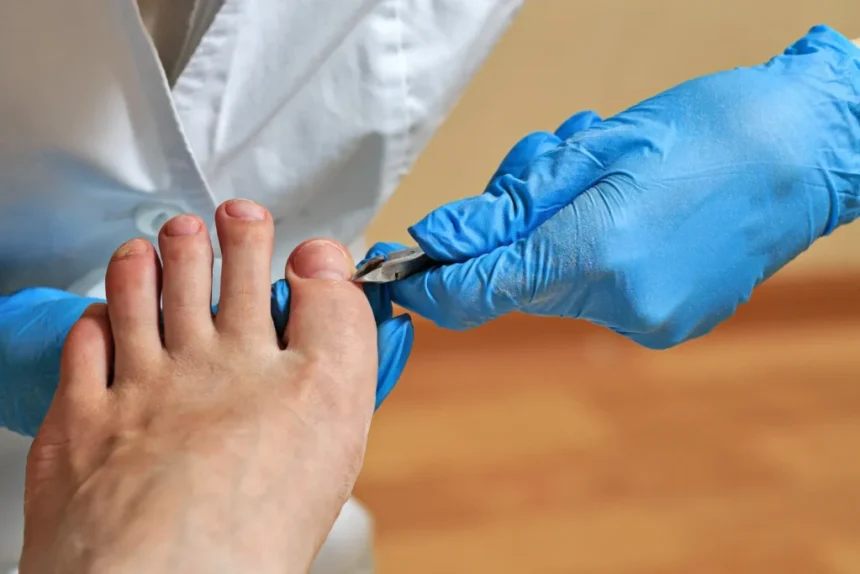
Cutting toenails straight across reduces the risk of an ingrown toenail. Angled cuts raise that risk; this cutting pattern is identified as a direct contributing factor. A straight cut discourages the nail from curving into the surrounding skin as it grows; maintaining that habit with each trim supports consistent nail direction over time. Toenail length matters. Cutting toenails too short alters the nail’s natural structure; the surrounding skin may then press against the nail as it regrows. Keeping the length even with the tip of the toe preserves that structure; maintaining that length with each trim reduces the risk of the skin folding over the nail bed as growth continues.
Choosing Shoes With Room
Tight-fitting shoes raise the risk of ingrown toenails. When shoes compress the toes, they press the skin against the nail edges, and that sustained pressure may force even a properly trimmed nail into the surrounding skin. Wearing comfortable shoes that provide adequate room for the toes reduces that risk.
Footwear style affects nail health. Shoes that funnel the foot into a narrow space increase pressure on the toes; that added compression raises the risk further. Selecting footwear with adequate room for the toes reduces the likelihood of nail edges being forced into the surrounding skin; making that choice consistently supports prevention.
Damp skin softens. Moisture buildup around the toes creates conditions that make ingrown nails more likely to develop, and keeping feet dry reduces that risk. When skin around the nail edges stays wet for extended periods, it softens more readily, and this softening allows nail edges to press into the surrounding tissue with less resistance.
Dry feet are less susceptible to nail-edge penetration. Damp conditions soften the skin; softened skin allows nail edges to press into the surrounding tissue more readily. Keeping feet dry limits that softening, and reducing moisture around the toes lowers the conditions that make ingrown nails more likely to develop.
Knowing the Risk Factors
Several factors raise the risk of developing an ingrown toenail. Naturally curved toenails, stubbing the toe, poor blood circulation, diabetes, and nerve damage all increase that risk; each factor affects how the nail grows or how the surrounding tissue responds. For those with diabetes, venous insufficiency, or poor circulation, the consequences are more serious because these conditions raise the chance of severe infection and other complications.
Treatment depends on severity. A provider may recommend changing footwear, soaking the nail in warm water, using oral or topical medications, or splinting the nail, and these options provide nonsurgical approaches to treatment. Severe cases require removal of part or all of the affected nail; that procedure addresses cases that do not resolve with conservative treatment.
Schedule an Evaluation Today
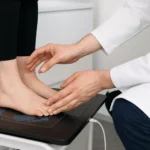
Consistent foot care habits reduce the risk of ingrown toenails. Proper trimming technique and appropriate footwear each play a part; addressing both factors limits the conditions that allow a nail to embed into the surrounding skin. Home care does not resolve every condition, and a podiatrist can assess the severity and outline an appropriate treatment plan when an ingrown toenail requires professional care.