

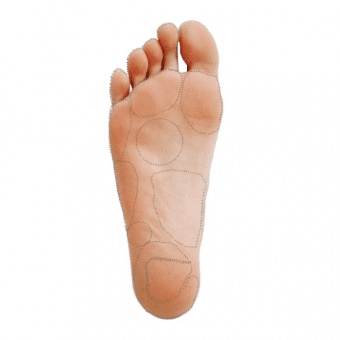
Flat feet means having minimal or no arch in your foot. Instead of a curve along the inner side, the entire sole lies flat, and this can cause discomfort. Many people manage flat feet without treatment, but certain signs suggest you need professional care.
Symptoms That Warrant a Visit
Knowing which symptoms to look for can help you decide when it’s time to see a podiatrist.
Pain and Swelling
Pain is the clearest signal to see a podiatrist. Your arches, heels, or ankles may ache. The discomfort often increases after standing or walking. If pain persists and swelling appears along the inner foot, schedule an appointment. Pain that radiates into the lower leg or knee is another warning sign. Flat feet can alter your gait. Numbness or tingling along the sole also warrants attention. Discuss how your symptoms affect daily life. If you avoid walking, standing, or exercise because of foot pain, that limitation matters. Your feet may need more support than off-the-shelf options provide, so a podiatrist can help you find the right solution.
Change in Movement
Watch for stiffness and changes in how your feet feel day to day. One foot may be different from the other. You may notice uneven wear on your shoes. Discuss how your symptoms affect daily life. If you avoid walking, standing, or exercise because of foot pain, that limitation matters. Difficulty finding comfortable shoes is a sign too. Flat feet can alter your gait, and that shift places extra stress on surrounding joints. If knee or hip discomfort worsens after activity, especially with foot pain, a podiatrist can assess the full picture. Numbness or tingling along the sole also warrants attention.
Measures to Try First
Some steps may reduce discomfort before you seek professional help. Wear supportive shoes with arch support. Avoid flat-soled shoes like flip-flops or worn-out sneakers. They offer little structural support. If your current shoes lack support, orthotic inserts are a practical option. Try gentle exercises as well. Consistent practice can improve stability over time. Calf stretches are a good starting point. Stand facing a wall. Place one foot behind the other and press the back heel into the floor. Towel scrunches are another useful exercise. Place a small towel on the floor, and repeat this for several repetitions.
Options From a Podiatrist
A podiatrist begins with a physical exam. They assess your gait, and they may order imaging to confirm the cause. During this exam, they may also observe how your feet behave when you stand, walk, and bear weight. This full picture helps them understand how flat feet affect your body. It aids that the treatment plan fits your specific needs. Custom-made shoe inserts are molded to the shape of your foot.
They provide targeted arch support that over-the-counter inserts cannot always match, so you can find a personalized plan. Your podiatrist will take measurements or a mold of your foot for them. These orthotics fit inside your regular footwear. Your podiatrist will check the fit at a follow-up visit. They may make small adjustments to improve comfort or function. Consistent use of orthotics, combined with supportive footwear, can make a noticeable difference in daily comfort.
Treat Your Flat Feet Today
Flat feet do not always require treatment, but ongoing pain deserves attention. Start with supportive shoes, gentle exercises, and activity changes that reduce strain. Track your symptoms over several weeks. If discomfort persists and self-care brings little relief. Book an appointment with a podiatrist. Early evaluation leads to a clear plan. It helps you stay active with less pain.