

Microneedling is a minimally invasive skin treatment. It uses very fine needles to create controlled micro-injuries in the skin. These tiny channels stimulate a wound-healing response; the process encourages new collagen and elastin formation in the treated area. As collagen levels increase over time, the texture of indented scars may change. Here is more information on the benefits of microneedling for acne scars:
How Are Acne Scars Treated?
Acne scars develop when inflammation from breakouts disrupts normal healing in the deeper layers of the skin. Some scars appear as shallow depressions, while others form deeper pits or raised, thickened areas. Treatment options vary because different scar types respond differently. The scar’s depth influences outcomes. Microneedling is one option that targets the skin’s structure rather than only the surface. Microneedling uses mechanical injury instead of heat, and this difference matters for people with certain skin types that are more reactive to thermal devices.
How Does Microneedling Work?
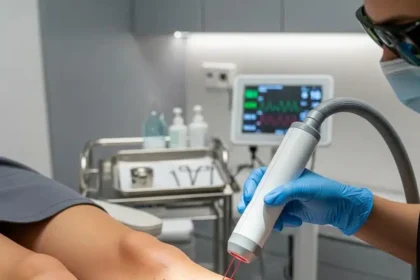
Microneedling works by engaging the skin’s natural wound-healing cascade, and this process unfolds in several stages. During treatment, a device equipped with fine needles passes across the skin. Each pass creates micro-channels that are usually not visible to the naked eye. These tiny injuries trigger an acute response in which platelets and growth factors move into the area. This first phase sets the stage for new tissue formation. Because the injuries are spaced and controlled, the surrounding skin remains intact.
In the next phase of healing, fibroblast cells in the dermis begin laying down new collagen and elastin. This new matrix gradually fills in areas of uneven texture. Acne scars form when inflammation breaks down collagen or pulls the skin downward; microneedling aims to remodel that underlying framework. As collagen networks reorganize, the edges of indented scars may soften. The transition between scarred and unscarred skin may look less abrupt. Results appear gradually because collagen remodeling takes time.
What Are the Benefits?
When used for acne scars, microneedling offers several potential advantages, both in how the treatment works and in the recovery experience.
- Collagen stimulation: By targeting the dermis, microneedling encourages new collagen where acne has disrupted normal tissue.
- Improved skin texture: As the skin remodels, rough or uneven patches may look more uniform.
- Minimal disruption: Because the micro-channels are small and the epidermis stays largely intact, people may experience temporary redness and mild sensitivity rather than extended peeling.
- Wide suitability: Since the treatment relies on mechanical injury instead of heat, it may be used in patients whose skin is more reactive to thermal procedures.
A professional helps determine what can be done for an individual’s acne scars. They will also decide if this treatment is suitable for each unique situation.
Address Your Acne Scars
Acne scars may persist long after breakouts have resolved. Microneedling offers a structured way to prompt new collagen in these areas. It gives the skin repeated opportunities to remodel. Since every scar pattern is different, a consultation with a qualified provider helps clarify which combination of treatments aligns with your goals and skin characteristics. A professional assessment also sets realistic expectations and supports a plan that progresses at a pace that suits both your schedule and your skin’s response over time.