
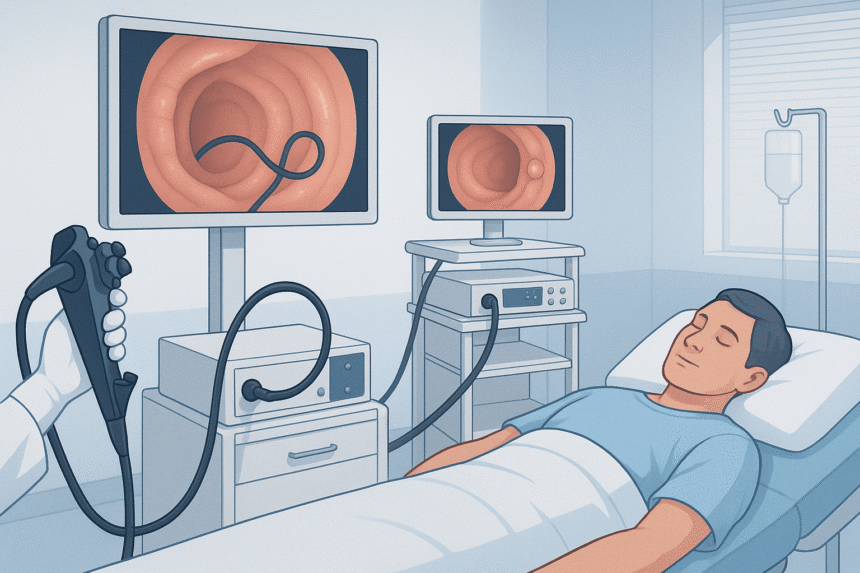
A colonoscopy is a procedure used to examine the colon and identify changes such as polyps, inflammation, or other abnormalities. After a colonoscopy, patients may experience temporary bloating or drowsiness from sedation as their bodies recover. Here is more information on what to expect after your colonoscopy:
Recovering From Sedation
Colonoscopy centers often use sedation to help you relax or sleep during the exam. After the procedure, the staff will move you to a recovery area, where a nurse checks your blood pressure, heart rate, and breathing. Sedation medicine stays in the body for about 24 hours, so most facilities require a responsible adult to drive you home. Plan to rest for the remainder of the day. Avoid driving, operating machinery, signing legal documents, or making key financial decisions until the next day, as sedation affects judgment and reaction time. People often return to work and normal routines the following day unless the doctor gives different instructions.
Managing Common Aftereffects
Mild discomfort after a colonoscopy is common, usually from the air or carbon dioxide the doctor uses to open the colon during the exam. Most aftereffects fade within a day. Here are some common aftereffects people may notice:
- Bloating and gas: Air from the exam stays in the colon briefly; walking and passing gas can help release it.
- Mild cramping: Some people feel light abdominal cramps for a few hours.
- Small amount of blood: If the doctor removed a polyp or took a tissue sample, you may notice a few drops of blood in your first bowel movement.
- Changes in bowel habits: The bowel prep empties the colon, so you may not have a regular bowel movement for one to three days.
- Thirst or fatigue: The prep and fasting cause fluid loss; water and light foods can help you rehydrate and ease back into eating.
Reviewing Results and Follow-Up
Your doctor generally shares initial findings before you leave the facility. Some people do not remember this conversation due to sedation, so ask your companion to listen and take notes. The doctor will recommend a timeline for your next exam once lab results return.
Understand Your Results
A normal result means the doctor found no polyps or other concerns in the colon. If the doctor removed polyps, a lab examines the tissue under a microscope, and results usually arrive within one to two weeks. The report describes the type, size, and number of polyps, which guides your next steps.
Plan Your Next Screening
Your doctor uses your results, age, and family history to set the date of your next colonoscopy. People with normal results and average risk often return in 10 years, while people with certain polyps or higher risk return sooner. Ask your doctor for the exact interval, and record it in your calendar.
Watching for Warning Signs
Serious problems after a colonoscopy are uncommon, but you should know which symptoms require prompt attention. Contact your doctor or seek emergency care if you have severe or worsening abdominal pain, a hard or swollen belly, fever, or chills. Call if you pass more than a small amount of blood, notice blood clots, or feel dizzy or faint. Vomiting or an inability to pass gas also warrants a call, especially when symptoms appear within the first few days.
Schedule Your Colonoscopy Today
People often spend the day recovering from sedation and managing mild bloating or cramping; they return to normal routines the next day. Your doctor reviews the findings, shares lab results when needed, and recommends a date for your next screening. Knowing the warning signs helps you respond quickly if a problem develops. Contact a qualified gastroenterologist near you to schedule your colonoscopy today.