
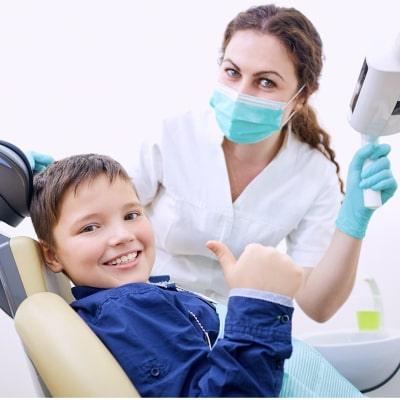
Pediatric dentistry addresses children’s changing oral health needs, from early dental examinations to preventive and restorative treatments during adolescence. Regular dental visits allow providers to monitor tooth development, identify potential concerns, and recommend age-appropriate care. Because dental needs change throughout childhood, treatments may include fluoride applications, sealants, fillings, and orthodontic evaluations. Here is more information about pediatric dental services at different ages:
Providing Early Dental Care
Pediatric dentistry begins with early dental visits that help monitor tooth development and establish healthy oral hygiene habits. Dentists examine children’s teeth and gums, remove plaque buildup, and assess potential dental concerns. Depending on individual needs, early appointments may include:
- Performing routine cleanings to remove plaque and buildup.
- Taking digital X-rays to examine tooth development and identify hidden dental concerns.
- Applying fluoride treatments to strengthen tooth enamel.
- Evaluating oral development to monitor tooth growth and alignment.
As children reach school age, preventive dental care continues to support developing teeth. Dental sealants protect the chewing surfaces of molars, while fluoride treatments help strengthen enamel against decay. Because children’s dental needs change with age, dentists recommend preventive treatments based on oral health and cavity risk.
Exploring Teenage Orthodontic Treatments
Orthodontic concerns often become more noticeable during adolescence as permanent teeth develop and jaw growth continues. Crowded teeth, spacing problems, and bite irregularities may affect oral hygiene, chewing, and overall dental alignment. Pediatric dental providers evaluate tooth positioning and jaw development to determine whether orthodontic treatment is appropriate.
Invisalign uses a series of custom-made, removable aligners to gradually reposition teeth and address certain alignment concerns. Because the aligners are removable, teenagers take them out during meals, brushing, and flossing. Treatment duration varies depending on the complexity of the alignment problem and how consistently patients wear their aligners. Dentists assess individual orthodontic needs before recommending Invisalign or traditional braces.
Providing Restorative and Periodontal Care
Children sometimes develop cavities, chipped teeth, or gum inflammation despite regular preventive dental care. Pediatric dentistry includes restorative treatments that address tooth damage and periodontal care that manages conditions affecting the gums. Because treatment needs vary, dentists examine the teeth, gums, and surrounding tissues before recommending appropriate procedures. Common restorative and periodontal treatments include:
- Placing dental fillings to repair cavities, replace damaged tooth structure, and restore normal chewing function.
- Applying dental crowns to protect teeth with extensive decay or structural damage when fillings provide insufficient coverage.
- Repairing chipped teeth using tooth-colored bonding materials to restore damaged surfaces and improve tooth appearance.
- Performing professional cleanings to remove plaque and tartar buildup that contribute to gum irritation and inflammation.
- Providing periodontal therapy to address gum disease through appropriate cleaning procedures and additional treatment when necessary.
- Prescribing antibiotics when indicated to manage certain bacterial infections alongside other recommended dental treatments.
Schedule with Pediatric Dentistry Today
Pediatric dentistry addresses children’s changing oral health needs through preventive, restorative, and age-appropriate dental treatments. Regular appointments allow dental providers to monitor tooth development, evaluate oral hygiene, and identify potential concerns. Depending on a child’s age and dental health, recommended services may include cleanings, fluoride treatments, sealants, or orthodontic evaluations. Schedule a pediatric dental appointment today to discuss your child’s oral health and explore appropriate treatment options.