
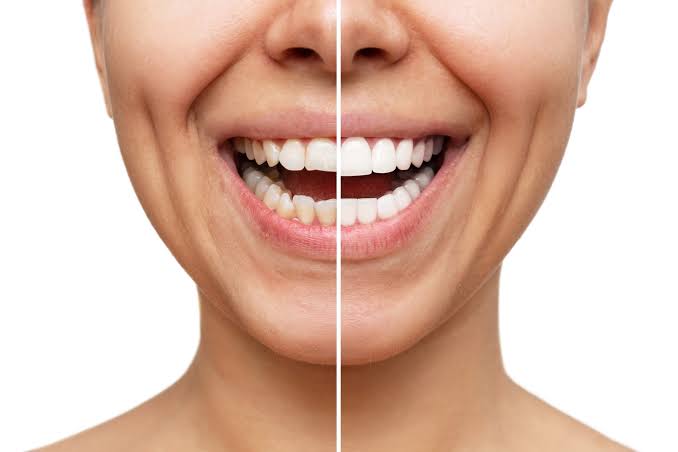
Veneers can improve the appearance of teeth by creating an even and natural-looking smile. Proper post-treatment care helps protect the veneers, maintain oral health, and support long-lasting results. Here is more information on post-treatment care practices for new veneers:
Manage Early Sensitivity
Mild sensitivity is common after the placement of veneers, and it usually fades within a few days. Your teeth may react to hot drinks, cold water, or sudden temperature changes, so warm or room-temperature foods are often more comfortable during this window. A toothpaste made for sensitive teeth can help; apply it gently with a soft-bristled brush. If discomfort lingers beyond the first week or worsens, contact your dentist for guidance.
Maintain Daily Oral Hygiene
Good daily habits protect your veneers and the natural teeth beneath them. Veneers don’t stain the way natural enamel does, but the surrounding gums and teeth still need consistent care. A consistent routine keeps the bonded edges clean, and it reduces buildup where the veneer meets the gum line. Here are some key practices that can keep your smile healthy:
- Brush twice daily: Use a soft-bristled toothbrush, a non-abrasive toothpaste, and gentle motions to clean the surface without wearing down the polish on your veneers.
- Floss once a day: Floss removes debris between teeth that a brush cannot reach.
- Rinse with an alcohol-free mouthwash: Alcohol can weaken bonding materials over time, and a milder rinse freshens your mouth.
- Limit staining drinks: Coffee, tea, and red wine can discolor natural teeth near your veneers.
Protect Veneers
Veneers are durable, but certain habits place unnecessary stress on them. A few adjustments can guard the porcelain and keep the fit intact. The following areas deserve attention and are easy to manage.
Avoid Biting Hard Objects
Hard items can chip or crack a veneer’s surface, so treat your teeth as tools for eating only. Ice, pen caps, and fingernails create pressure that thin porcelain was not designed to absorb. Cut firm foods like apples or carrots into smaller pieces, and chew with your back teeth when possible. These changes may lower the risk of accidental damage.
Use a Nightguard
Some people grind or clench their teeth during sleep without noticing it. This pressure can wear down veneers over time, and it may loosen the bond at the edges. A custom nightguard from your dentist cushions your teeth while you rest and spreads the force evenly.
Attend Routine Dental Visits
Regular checkups keep your veneers and natural teeth in good condition. During each visit, your dentist inspects the bonding, checks the fit, and looks for early signs of wear. Professional cleanings reach areas that daily brushing can miss, and they help maintain the appearance of the teeth around your veneers. Dentists often suggest two visits a year, though your provider may recommend a different schedule based on your needs. Consistent appointments also let your dentist address minor issues before they worsen. A small chip or a loose edge is far easier to correct when detected early.
Schedule Your Veneers Appointment Today
Maintaining your veneers requires a combination of diligent at-home care and regular professional cleanings to promote their longevity and appearance. Routine dental visits help address minor issues early, and they keep your smile bright and natural over time. Contact a qualified cosmetic dentist near you to schedule your veneers appointment today.