
Acne is one of the most common skin problems in the world. It affects teenagers, adults, and even older people. While mild acne can sometimes be managed with over-the-counter products, many people struggle with stubborn acne that does not go away easily. This is where an acne treatment specialist becomes important.
- What Is an Acne Treatment Specialist?
- Why Do You Need an Acne Treatment Specialist?
- What Causes Acne?
- How an Acne Treatment Specialist Works
- Step 1: Skin Examination
- Step 2: Medical History
- Step 3: Acne Diagnosis
- Step 4: Treatment Plan
- Step 5: Follow-Up Visits
- Common Acne Treatments Used by Specialists
- 1. Topical Treatments
- 2. Oral Medications
- 3. Chemical Peels
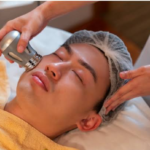
- 4. Laser Therapy
- 5. Extraction Procedures
- 6. Scar Treatment
- Benefits of Visiting an Acne Treatment Specialist
- Acne Treatment for Different Skin Types
- Tips to Prevent Acne at Home
- Clean Your Face Twice Daily
- Avoid Touching Your Face
- Use Non-Comedogenic Products
- Eat a Balanced Diet
- Manage Stress
- Avoid Heavy Makeup
- When to See an Acne Specialist Immediately
- Myths About Acne Treatment
- Myth 1: Acne is caused by poor hygiene
- Myth 2: Only teenagers get acne
- Myth 3: Sun exposure cures acne
- Myth 4: Popping pimples helps
- Conclusion
An acne treatment specialist is a trained skin expert who focuses on diagnosing, treating, and preventing acne using medical and dermatological methods. They understand the root causes of acne and create personalized treatment plans based on skin type, severity, and lifestyle.
In this article, we will explain what an acne treatment specialist does, why you may need one, available treatments, and how to find the right specialist for your skin concerns.
What Is an Acne Treatment Specialist?
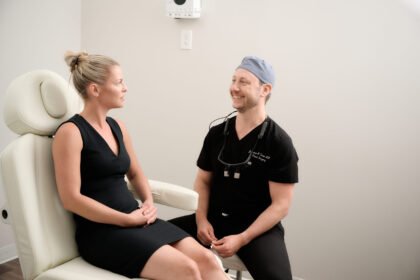
An acne treatment specialist is usually a dermatologist or trained skincare professional who has deep knowledge of skin conditions, especially acne.
They are not just skincare consultants. They are medical experts who understand how acne forms inside the skin and how to treat it from the root cause.
Acne specialists deal with different types of acne, including:
- Whiteheads
- Blackheads
- Papules
- Pustules
- Cystic acne
- Hormonal acne
Their main goal is not only to clear acne but also to prevent future breakouts and reduce acne scars.
Why Do You Need an Acne Treatment Specialist?
Many people try home remedies, skincare products, and online treatments for acne, but not all methods work for everyone. Acne can be complicated, and incorrect treatment can sometimes make it worse.
Here are some reasons why you may need an acne treatment specialist:
1. Persistent Acne
If your acne does not improve after using regular skincare products, you may need professional help.
2. Severe Breakouts
Cystic or painful acne requires medical treatment.
3. Acne Scars
If acne is leaving dark spots or scars, a specialist can help reduce them.
4. Hormonal Acne
Hormonal changes can cause recurring acne, especially in adults.
5. Sensitive Skin Issues
If your skin reacts badly to products, a specialist can guide safe treatment.
What Causes Acne?
Understanding the cause of acne is important for proper treatment. Acne develops when pores in the skin become blocked.
Common causes include:
Excess Oil Production
Overactive oil glands can clog pores.
Dead Skin Cells
When dead skin builds up, it blocks pores and causes breakouts.
Bacteria
Bacteria trapped in pores can lead to inflammation.
Hormonal Changes
Hormones during puberty, pregnancy, or stress can trigger acne.
Poor Skincare Habits
Not cleaning the skin properly can worsen acne.
Diet and Lifestyle
High sugar foods, dairy, and stress may contribute to acne in some people.
How an Acne Treatment Specialist Works
When you visit an acne specialist, they follow a step-by-step process to understand your skin and create a treatment plan.
Step 1: Skin Examination
The specialist carefully examines your skin type and acne condition.
Step 2: Medical History
They ask about your health, diet, stress levels, and skincare routine.
Step 3: Acne Diagnosis
They identify the type and severity of acne.
Step 4: Treatment Plan
A personalized treatment plan is created based on your needs.
Step 5: Follow-Up Visits
Regular check-ups are scheduled to track progress and adjust treatment.
Common Acne Treatments Used by Specialists
Acne treatment specialists use different methods depending on the severity of acne.
1. Topical Treatments
These are creams, gels, or lotions applied directly to the skin.
They may include:
- Retinoids
- Benzoyl peroxide
- Antibiotic creams
2. Oral Medications
For moderate to severe acne, oral medicines may be prescribed.
These include:
- Antibiotics
- Hormonal treatments
- Isotretinoin (for severe acne)
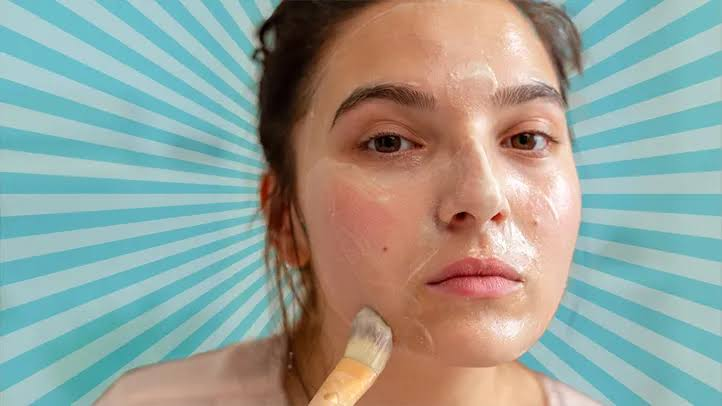
3. Chemical Peels
A chemical solution is applied to remove dead skin and unclog pores.
4. Laser Therapy
Laser treatments help reduce acne bacteria and improve skin texture.
5. Extraction Procedures
Blackheads and whiteheads are safely removed by professionals.
6. Scar Treatment
For acne scars, treatments like microneedling and laser resurfacing are used.
Benefits of Visiting an Acne Treatment Specialist
Getting professional help for acne has many advantages.
Clearer Skin
Specialized treatments help reduce acne effectively.
Personalized Care
Every skin type is different, so treatment is customized.
Prevention of Scars
Early treatment prevents long-term skin damage.
Improved Confidence
Clear skin improves self-esteem and confidence.
Safe Treatment
Professional care reduces the risk of side effects.
Acne Treatment for Different Skin Types
An acne specialist understands that not all skin is the same.
Oily Skin
Focuses on oil control and deep cleansing.
Dry Skin
Uses gentle treatments to avoid irritation.
Sensitive Skin
Chooses mild and non-irritating products.
Combination Skin
Balances treatment for both oily and dry areas.
Tips to Prevent Acne at Home
While professional treatment is important, daily care also plays a big role.
Clean Your Face Twice Daily
Use a gentle cleanser suitable for your skin type.
Avoid Touching Your Face
Hands carry bacteria that can worsen acne.
Use Non-Comedogenic Products
Choose skincare that does not clog pores.
Eat a Balanced Diet
Include fruits, vegetables, and drink plenty of water.
Manage Stress
Stress can increase acne breakouts.
Avoid Heavy Makeup
Let your skin breathe whenever possible.
When to See an Acne Specialist Immediately
You should not delay visiting a specialist if:
- Acne is painful or inflamed
- Breakouts are spreading quickly
- You notice scarring
- Over-the-counter treatments are not working
- Acne affects your confidence or mental health
Early treatment always leads to better results.
Myths About Acne Treatment
There are many false beliefs about acne that can confuse people.
Myth 1: Acne is caused by poor hygiene
Truth: Acne is mostly caused by hormones and clogged pores, not dirt.
Myth 2: Only teenagers get acne
Truth: Adults can also suffer from acne.
Myth 3: Sun exposure cures acne
Truth: Too much sun can actually worsen acne.
Myth 4: Popping pimples helps
Truth: It can lead to scars and infection.
Conclusion
An acne treatment specialist plays an important role in helping people achieve clear and healthy skin. Acne is not just a surface problem—it is a complex skin condition that needs proper diagnosis and treatment.
Instead of trying random products or home remedies, visiting a specialist ensures you get safe, effective, and personalized care. With the right treatment plan, acne can be controlled, scars can be reduced, and your skin can become healthier over time.
Clear skin is not just about appearance—it is also about confidence and self-care. With professional guidance, you can take the right steps toward long-lasting skin health.
Frequently Asked Questions (FAQs)
1. What does an acne treatment specialist do?
They diagnose and treat acne using medical and skincare methods tailored to your skin type.
2. How long does acne treatment take?
It depends on severity, but noticeable improvement can take a few weeks to several months.
3. Can acne be completely cured?
Acne can be controlled effectively, but some people may need ongoing skincare maintenance.
4. Are acne treatments safe?
Yes, when done under professional supervision, treatments are generally safe.
5. Do I need a specialist for mild acne?
Mild acne can be treated at home, but a specialist helps prevent it from getting worse.