
Hair loss affects millions of people across different ages and backgrounds, and it requires targeted treatment from a professional. While genetics is a common cause, hormonal changes and medical conditions can also contribute, making it a multifaceted issue. Understanding the available treatment options is beneficial. Here is more information on what hair loss treatment involves:
What Is Hair Loss Treatment?
Hair loss treatment refers to the range of methods used to slow, stop, or reverse hair thinning and shedding. These methods target the underlying causes of hair loss, which vary from person to person. Some treatments stimulate the hair follicles directly, while others address hormonal or nutritional factors that contribute to the condition. Causes differ widely. Treatment goals depend on the type and stage of hair loss.
What Are the Available Options?
Several treatment options exist; each works through a different mechanism. Some categories include light therapy, medications, and injections. Before a treatment option is selected, the underlying cause and severity of hair loss are assessed.
The available options include:
- Light therapy: Low-level laser devices deliver light to the scalp to stimulate follicle activity.
- Topical or oral medications: Topical treatments are applied directly to the scalp, while oral medications are taken by mouth.
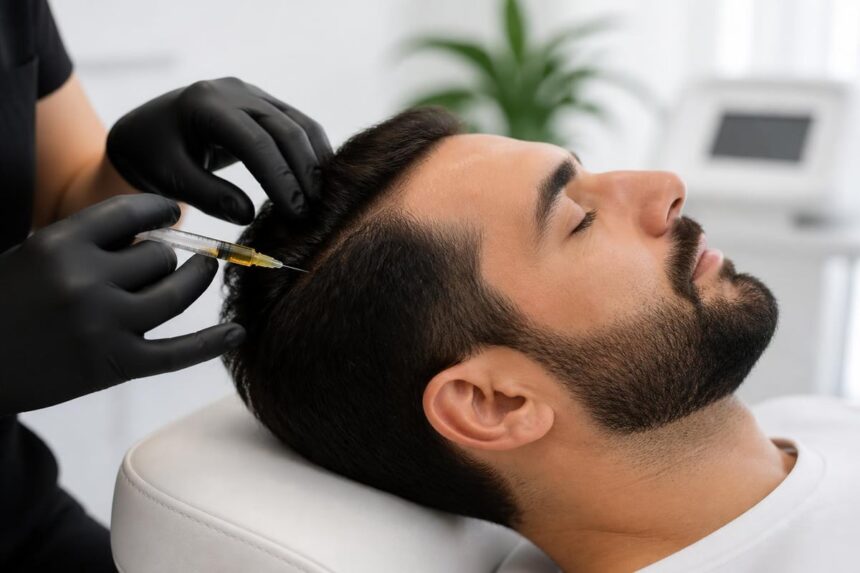
- Platelet-rich plasma (PRP) injections: PRP involves drawing a small amount of your blood, processing it to concentrate the platelets, and injecting the solution into the scalp.
How Does Treatment Work?
Treatments function by targeting the biological processes behind hair growth and loss. Light therapy uses specific wavelengths to increase blood flow and cellular activity in the scalp, and this stimulation encourages follicles to stay in the active growth phase longer. Because follicle activity depends on adequate circulation, consistent exposure to therapeutic light may produce cumulative benefits over time.
Medications work through distinct chemical pathways, and their mechanisms differ by treatment type. Topical treatments may improve circulation to the follicles, while certain oral medications reduce the hormones linked to hair loss. Stopping treatment usually reverses any gains, so consistency is key to maintaining results. PRP injections deliver concentrated growth factors directly to the affected areas.
Most treatments require several weeks or months before changes become noticeable. The timeline for results varies across methods, and individual factors such as the extent of hair loss and overall health may influence how quickly improvements appear. Following the recommended schedule and dosage supports the effectiveness of any chosen approach, because deviations from the prescribed plan can reduce the likelihood of achieving results.
How Is Professional Guidance Beneficial?
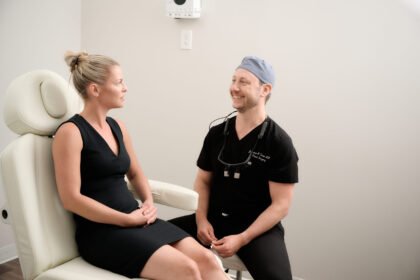
Professional guidance helps identify the specific cause of hair loss, and this is the first step toward effective treatment. A specialist examines the patient’s scalp, reviews their medical history, and orders tests when needed. Each case differs, so this thorough assessment may lead to an accurate diagnosis that forms the basis of a suitable treatment plan.
Regular follow-ups allow the specialist to track results and modify the plan over time. This structured approach is practical; it focuses resources on methods with a higher chance of success. Because treatments vary in effectiveness by individual, consistent monitoring keeps the plan aligned with the patient’s condition.
Review Your Options Today
Hair loss treatment covers a range of methods, from light therapy and medications to PRP injections. Each option works differently, and they suit different causes and stages of hair loss. Understanding how these treatments function helps you know what to expect. Professional guidance narrows the choices to those suited to your condition. If you are experiencing hair loss, consult a qualified specialist to review your options.