

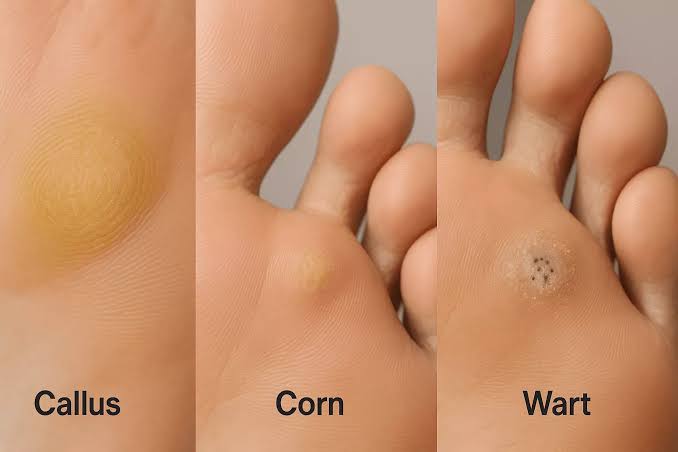
Plantar warts are hard, grainy growths on the soles of the feet. They develop when the human papillomavirus (HPV) infects the skin, and they may cause discomfort when walking. A podiatrist can recommend medications that gradually soften the wart until it falls off painlessly. Here is more information on plantar warts and the treatment options a plantar wart specialist offers:
What Are Plantar Warts?
Plantar warts are small, rough growths that form on the soles of the feet. They develop when the human papillomavirus (HPV) enters the skin through tiny cuts or breaks. Because they grow inward from the pressure of standing and walking, plantar warts can feel like a small stone lodged in the shoe. Some warts appear as a single growth, but others cluster into groups called mosaic warts. These clusters may spread across a larger area of the foot.
Persistent or painful warts may need professional attention. A plantar wart specialist will confirm the diagnosis and distinguish a wart from other skin conditions, such as calluses or corns, which can resemble warts but require different care. Accurate identification lets a treatment plan target the cause rather than mask symptoms, and it helps reduce the likelihood of ineffective treatment.
What Causes Them?
Plantar warts develop when the human papillomavirus (HPV) enters the skin of the foot, and several environmental and personal factors increase the likelihood of infection.
- Warm, moist environments: Walking barefoot in locker rooms, public showers, and swimming pool decks increases exposure.
- Rapid cell growth: Once inside the skin, the virus triggers rapid cell growth, which forms the thickened, raised tissue that characterizes a wart.
- Shared personal items: Sharing shoes, socks, or towels can spread the virus between people, so personal hygiene habits play a role in prevention.
Understanding these causes and risk factors helps identify likely exposure and supports effective preventive measures.
What Are the Treatment Options?
Several treatment options exist for plantar warts, and the right choice depends on the growth’s size, location, and persistence. Topical treatments are a common first step. These medications gradually soften the wart’s layers until it falls off on its own. Although this process can take many visits, it remains a low-risk option. Combination approaches are sometimes used to improve outcomes.
How Is Professional Care Beneficial?
Seeing a podiatrist offers advantages that at-home treatments cannot match. A podiatrist can assess the depth and spread of the wart using specialized tools, allowing a more precise, tailored treatment plan. Self-treatment may involve trial and error, but professional care streamlines the process. Early assessment also helps identify the wart type, which guides the choice of treatment.
Professional care may lower the chance of complications. Trying to cut or shave a wart at home can introduce bacteria, and this potentially leads to infection, scarring, or recurrence. A podiatrist follows sterile procedures and monitors healing progress. Because irritation is caught early, minor problems may not become serious ones. For patients with diabetes or circulatory conditions, professional oversight is especially valuable, since foot injuries in these groups require close monitoring.
Consult a Plantar Wart Specialist
Plantar warts develop from HPV exposure, and they range from a minor issue to a source of persistent pain. Treatment options span from gradual, at-home medications to targeted in-office treatment. Recurring or painful warts benefit from the precision and monitoring that professional care provides. If you have a plantar wart, schedule a visit with a podiatrist.