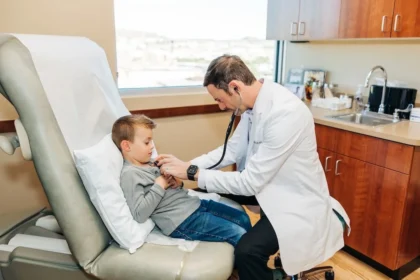


Communication between patients and healthcare providers is a routine part of primary care visits. Sharing symptoms, health concerns, medications, and medical history gives the provider information to evaluate during an appointment. Patients can also ask questions about diagnoses and follow-up recommendations during their visit. Here is more information about the benefits of communication in primary care visits:
Building Trust With Providers
Open communication gives patients an opportunity to share symptoms, concerns, and changes in their health with a familiar provider. Regular visits may also give the provider greater familiarity with the patient’s medical history and ongoing healthcare needs. This familiarity is able to provide additional context when discussing new symptoms or changes in treatment.
Patients can also use appointments to ask questions about diagnoses, medications, testing, or follow-up care. Familiarity with a provider are able to make these conversations easier during routine or unexpected medical visits. Parents may also discuss a child’s symptoms and medical history when seeking primary care for their family.
Sharing Accurate Symptoms
Clear descriptions of symptoms give healthcare providers information they can use during an evaluation. Patients are able to describe when symptoms began, how they have changed, and whether certain activities affect them. Common concerns discussed during primary care visits may include:
- Reporting fever
- Describing a sore throat
- Discussing nausea and vomiting
- Reporting urinary symptoms
- Describing cold and flu symptoms
A provider is able to review these details alongside examination findings and diagnostic testing when appropriate. This information can guide discussions about diagnosis, treatment options, and follow-up care.
Asking Meaningful Questions
Asking questions during a medical visit gives patients an opportunity to learn more about their health and recommended care. Patients are able to ask why a medication, test, or treatment was recommended and what to expect afterward. Providers can also explain instructions, possible side effects, and follow-up recommendations during the appointment.
Preparing questions before a visit helps patients organize the topics they want to discuss. A written list is able to include questions about symptoms, medications, test results, or changes in a treatment plan. Patients can review these topics with their provider and request clarification about any instructions before leaving the office.
Recognizing Emergency Signs
Knowing where to seek medical care depends partly on the type and severity of symptoms. Some concerns may be evaluated during a primary care visit, while certain symptoms require emergency medical attention. Patients are able to contact their healthcare provider when they have questions about where to seek care. Warning signs that may require emergency evaluation include:
- Experiencing chest pain
- Having difficulty breathing
- Losing consciousness
- Experiencing uncontrolled bleeding
- Sustaining a visibly broken bone
When emergency warning signs are absent, Primary Care Express may provide an option for evaluating certain illnesses or injuries. Some patients walk in, call the office, or use online scheduling based on availability. A healthcare provider can evaluate symptoms and discuss testing, treatment, or follow-up care when appropriate.
Schedule a Primary Care Visit
Clear communication gives patients and healthcare providers an opportunity to discuss symptoms, concerns, and medical history during an appointment. Preparing questions beforehand helps patients organize the health topics they want to address. A provider can evaluate symptoms, answer questions, and discuss testing or treatment options based on the visit. Schedule a Primary Care Express appointment today to discuss your health concerns with a healthcare provider.