
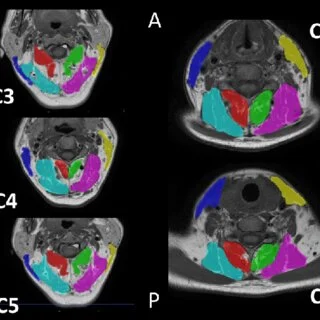
An MRI produces detailed images of the structures inside your body. The scan uses a magnetic field and radio waves, and it requires no radiation. Because the process differs from a CT scan or X-ray, preparation matters, and a few simple steps will help your appointment run smoothly.
Instructions Before Your Appointment
Start by reviewing the instructions your provider sends you. Some MRI scans require fasting for four to six hours beforehand, while others allow you to eat and drink normally. Confirm the details early, since fasting rules depend on the body part being scanned and any contrast dye your doctor orders. If your instructions are unclear, call the facility at least two days before your appointment. Ask your provider whether you need to stop any medications before the scan. Arrange childcare or transportation in advance if needed. Confirm the facility’s check-in process the day before, and allow extra time for parking and paperwork. Tell your care team about any metal in your body.
Expectations During the Scan
You will lie on a padded bed that slides into the machine’s opening. The scanner is a large tube that stays open at both ends. A technologist will position you carefully before the scan begins, and they may use cushions, straps, or a specialized coil to support the area being examined. While you lie inside, the machine collects images, so staying still matters. If you feel an urge to shift or adjust, focus on relaxing one muscle group at a time.
The technologist can pause the scan if you need a moment, so let them know through the call button provided. Some scans are completed in short segments, with brief pauses between sequences. Your technologist will tell you when each segment starts, and this makes it easier to stay still in manageable intervals. Knowing what to expect at each stage helps you stay calm and comfortable throughout the procedure.
Steps After the Procedure
No recovery period is required, and most people feel completely normal within hours of their appointment. If you received sedation, arrange a ride home in advance and avoid operating machinery or making decisions for the rest of the day. If contrast dye was used, drink plenty of water afterward. Fluids help your kidneys clear the dye efficiently. Check your IV site for any redness, swelling, or warmth that spreads or doesn’t improve within a day or two. Contact your care team if that happens. Watch for any of the following after leaving the facility:
- Mild nausea, brief headache, or metallic taste; common after contrast and typically resolve on their own
- Hives, difficulty breathing, or facial swelling; seek immediate medical attention if these occur
- IV site bruising or tenderness; normal and should fade within a day or two; report spreading redness or warmth promptly
- Fatigue or drowsiness; expected if sedation was used; rest and have someone nearby for a few hours
Schedule Your MRI Today
Preparation removes much of the uncertainty around an MRI. Follow the instructions, and share your medical history. Plan your day, and your care team handles the rest. Contact your provider today to confirm your instructions and book your scan. If you have questions about whether an MRI, CT scan, or X-ray fits your needs, ask your doctor for guidance before your visit.