
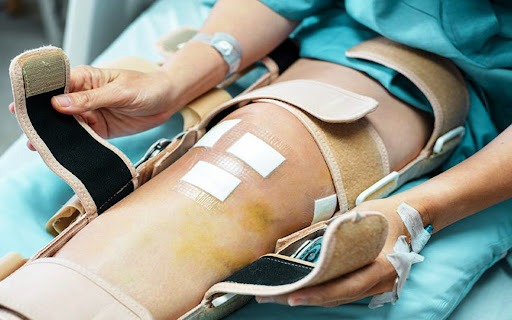
Surgery is often an important step in treating injuries, diseases, or medical conditions. But the treatment does not end when the surgery is done. In fact, the real healing journey begins after surgery. This is where post surgery rehabilitation services play a very important role.
- What Are Post Surgery Rehabilitation Services?
- Why Are Post Surgery Rehabilitation Services Important?
- 1. Faster Recovery
- 2. Pain Reduction
- 3. Improved Mobility
- 4. Preventing Complications
- 5. Better Long-Term Results
- Who Needs Post Surgery Rehabilitation?
- Stages of Post Surgery Rehabilitation
- Stage 1: Immediate Recovery Phase
- Stage 2: Early Movement Phase
- Stage 3: Strength Recovery Phase
- Stage 4: Functional Training Phase
- Stage 5: Full Recovery and Maintenance
- Types of Post Surgery Rehabilitation Services
- 1. Physiotherapy
- 2. Pain Management
- 3. Occupational Therapy
- 4. Mobility Training
- 5. Wound Care Support
- 6. Hydrotherapy
- Benefits of Post Surgery Rehabilitation Services
- 1. Safe Healing
- 2. Faster Return to Normal Life
- 3. Improved Strength and Flexibility
- 4. Reduced Risk of Complications
- 5. Better Emotional Well-being
- Role of Rehabilitation Specialists
- Emotional Side of Post Surgery Recovery
- Tips for Better Post Surgery Recovery
- Common Mistakes to Avoid
- When to Contact a Doctor During Recovery
- Conclusion
Post surgery rehabilitation services are designed to help patients recover safely, regain strength, reduce pain, and return to normal daily life. Without proper rehabilitation, recovery can be slow, painful, and sometimes incomplete.
In this article, we will explain what post surgery rehabilitation services are, why they are important, types of therapies used, recovery stages, benefits, and what patients can expect during the healing process—all in simple and easy language.
What Are Post Surgery Rehabilitation Services?
Post surgery rehabilitation services are medical and physical therapy programs that help patients recover after an operation. These services are guided by healthcare professionals such as:
- Physiotherapists
- Rehabilitation specialists
- Orthopedic doctors
- Occupational therapists
- Nurses and recovery care teams
The main goal is to restore normal body function after surgery and help the patient return to daily life safely.
These services may include:
- Pain management
- Physical therapy exercises
- Mobility training
- Strength building
- Wound care guidance
- Lifestyle adjustments
Every rehabilitation plan is customized based on the type of surgery and the patient’s condition.
Why Are Post Surgery Rehabilitation Services Important?
Many people think that resting after surgery is enough. While rest is important, it is not the only part of recovery. Without proper rehabilitation, patients may face complications or slow healing.
Here are the main reasons why post surgery rehabilitation is important:
1. Faster Recovery
Rehabilitation helps the body heal more efficiently after surgery.
2. Pain Reduction
Therapies help reduce pain, stiffness, and swelling.
3. Improved Mobility
After surgery, movement can become limited. Rehabilitation helps restore normal movement.
4. Preventing Complications
It reduces risks like blood clots, muscle weakness, and joint stiffness.
5. Better Long-Term Results
Proper recovery ensures that the surgery delivers the best possible outcome.
Who Needs Post Surgery Rehabilitation?
Almost every patient who undergoes surgery can benefit from rehabilitation, especially those who have had:
- Orthopedic surgery (knee, hip, shoulder)
- Heart surgery
- Spine surgery
- Abdominal surgery
- Joint replacement surgery
- Injury-related surgery
Even minor surgeries may require some level of recovery support depending on the patient’s health.
Stages of Post Surgery Rehabilitation
Recovery after surgery happens in steps. Each stage is important for safe healing.
Stage 1: Immediate Recovery Phase
This stage begins right after surgery.
Focus areas:
- Pain control
- Rest and protection
- Wound care
- Preventing complications
Patients are usually advised to rest and avoid movement that could affect healing.
Stage 2: Early Movement Phase
Once the doctor approves, gentle movement begins.
Goals:
- Prevent stiffness
- Improve blood circulation
- Start light mobility exercises
Even small movements like sitting up or walking short distances may be included.
Stage 3: Strength Recovery Phase
In this stage, the body starts rebuilding strength.
Focus areas:
- Muscle strengthening exercises
- Joint flexibility
- Balance training
This stage is important for restoring physical power.
Stage 4: Functional Training Phase
Here, patients learn to perform daily activities again.
Includes:
- Walking without support
- Climbing stairs
- Light household activities
The goal is independence in daily life.
Stage 5: Full Recovery and Maintenance
In the final stage, patients return to normal life or sports activities.
Focus:
- Full strength recovery
- Preventing re-injury
- Long-term health maintenance
Types of Post Surgery Rehabilitation Services
Rehabilitation includes different types of treatments depending on surgery type.
1. Physiotherapy
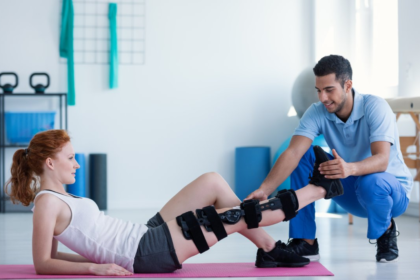
This is the most common part of rehabilitation. It includes exercises to improve movement and strength.
2. Pain Management
Doctors may use medicines, ice, heat, or special therapies to control pain.
3. Occupational Therapy
Helps patients learn how to perform daily tasks like dressing, eating, and bathing.
4. Mobility Training
Teaches safe walking, standing, and movement techniques.
5. Wound Care Support
Ensures proper healing of surgical wounds and prevents infection.
6. Hydrotherapy
Water-based exercises that reduce stress on joints and muscles.
Benefits of Post Surgery Rehabilitation Services
Post surgery rehabilitation offers many important benefits:
1. Safe Healing
Helps the body recover without complications.
2. Faster Return to Normal Life
Patients regain independence more quickly.
3. Improved Strength and Flexibility
Muscles and joints become stronger over time.
4. Reduced Risk of Complications
Prevents stiffness, blood clots, and muscle loss.
5. Better Emotional Well-being
Patients feel more confident and less stressed during recovery.
Role of Rehabilitation Specialists
Rehabilitation professionals guide patients through every step of recovery. They:
- Create personalized recovery plans
- Monitor healing progress
- Adjust exercises based on improvement
- Educate patients about safe movement
- Encourage mental and physical recovery
Their support ensures that recovery is safe and effective.
Emotional Side of Post Surgery Recovery
Recovery after surgery is not only physical—it also affects emotions. Many patients feel:
- Weak or dependent
- Anxious about healing
- Frustrated with slow progress
Rehabilitation services help by:
- Providing encouragement
- Setting small recovery goals
- Tracking progress
- Building confidence
Mental strength plays a big role in physical healing.
Tips for Better Post Surgery Recovery
To recover faster and safely, patients should:
- Follow doctor instructions carefully
- Do prescribed exercises regularly
- Eat a healthy and balanced diet
- Stay hydrated
- Avoid overexertion
- Attend all follow-up visits
Consistency is key in recovery.
Common Mistakes to Avoid
Many patients slow down recovery by making mistakes like:
- Skipping rehabilitation exercises
- Lifting heavy objects too soon
- Ignoring pain signals
- Not following medical advice
- Rushing recovery process
Avoiding these mistakes leads to better results.
When to Contact a Doctor During Recovery
You should seek medical help if you notice:
- Severe pain that does not improve
- Swelling or redness near the surgery area
- Fever or infection signs
- Difficulty moving or breathing
- Sudden weakness
Early attention prevents serious complications.
Conclusion
Post surgery rehabilitation services are a vital part of the healing process. Surgery may fix the medical problem, but rehabilitation helps the body fully recover and return to normal life. It focuses on pain relief, strength building, mobility, and emotional support.
With proper rehabilitation, patients can heal faster, regain independence, and reduce the risk of complications. Whether it is a small procedure or major surgery, guided recovery ensures better long-term health and quality of life.
Recovery is a journey, not a quick step. With patience, care, and proper rehabilitation, every patient can move toward a healthier and stronger future.
FAQs
1. What are post surgery rehabilitation services?
They are medical and therapy programs that help patients recover after surgery safely and effectively.
2. How long does post surgery rehabilitation take?
It depends on the type of surgery and can range from a few weeks to several months.
3. Is rehabilitation necessary after all surgeries?
Not always, but most surgeries benefit from some level of rehabilitation for better recovery.
4. Does rehabilitation reduce pain after surgery?
Yes, it helps manage pain through exercises, therapy, and medical support.
5. Can I do rehabilitation at home?
Some exercises can be done at home, but guidance from a professional is highly recommended.