
Sports are a great way to stay healthy, active, and strong. But sometimes, injuries happen during training, practice, or competition. Whether it is a sprained ankle, pulled muscle, or torn ligament, injuries can stop an athlete from performing normally. This is where sports injury rehabilitation becomes very important.
- What Is Sports Injury Rehabilitation?
- Why Is Sports Injury Rehabilitation Important?
- Common Sports Injuries That Need Rehabilitation
- Stages of Sports Injury Rehabilitation
- Stage 1: Pain and Swelling Control
- Stage 2: Early Movement Recovery
- Stage 3: Strength Building
- Stage 4: Advanced Training
- Stage 5: Return to Sports
- Types of Treatments Used in Rehabilitation
- 1. Physiotherapy Exercises
- 2. Manual Therapy
- 3. Heat and Cold Therapy
- 4. Electrotherapy
- 5. Massage Therapy
- 6. Stretching Programs
- Role of a Sports Rehabilitation Specialist
- Benefits of Sports Injury Rehabilitation
- 1. Faster Recovery
- 2. Safe Return to Sports
- 3. Improved Strength
- 4. Better Flexibility
- 5. Mental Confidence
- Mental Side of Sports Injury Recovery
- Tips for Better Recovery
- Mistakes to Avoid During Rehabilitation
- Conclusion
Sports injury rehabilitation is the process of helping the body recover after an injury so that a person can return to sports safely, without pain, and with full strength. It is not just about healing—it is about rebuilding strength, movement, and confidence.
In this article, we will explain what sports injury rehabilitation is, why it is important, types of treatments, stages of recovery, and how it helps athletes return to their best performance in simple and easy language.
What Is Sports Injury Rehabilitation?
Sports injury rehabilitation is a structured medical and physical recovery program designed to help injured athletes heal properly.
It involves:
- Reducing pain and swelling
- Restoring movement
- Strengthening muscles
- Improving flexibility
- Preventing future injuries
It is usually guided by professionals like:
- Physiotherapists
- Sports doctors
- Orthopedic specialists
- Rehabilitation trainers
The goal is not only to heal the injury but also to bring the athlete back to full performance safely.
Why Is Sports Injury Rehabilitation Important?
Many people think resting alone is enough to recover from an injury, but that is not true. Without proper rehabilitation, injuries can come back or become worse.
Here are the main reasons why rehabilitation is important:
1. Proper Healing
Rehabilitation ensures that tissues heal correctly, not just quickly.
2. Pain Reduction
Therapy helps reduce swelling, stiffness, and pain.
3. Restoring Movement
Injuries often make movement difficult. Rehabilitation helps bring back normal motion.
4. Strength Recovery
Muscles become weak after injury. Exercises rebuild strength safely.
5. Preventing Re-injury
Proper training reduces the risk of getting injured again.
Common Sports Injuries That Need Rehabilitation
Sports injury rehabilitation is used for many types of injuries, such as:
- Sprained ankles
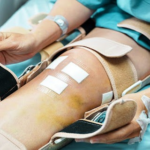
- Knee injuries (ACL or meniscus tears)
- Shoulder injuries
- Muscle strains
- Tennis elbow
- Hamstring injuries
- Fractures
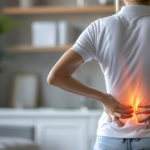
- Back injuries
These injuries can happen in sports like football, cricket, basketball, running, and gym workouts.
Stages of Sports Injury Rehabilitation
Rehabilitation is not a single step. It happens in stages, depending on the severity of the injury.
Stage 1: Pain and Swelling Control
This is the first stage after injury. The goal is to:
- Reduce swelling
- Manage pain
- Protect the injured area
Methods used:
- Rest
- Ice therapy
- Compression
- Elevation
This stage is very important for starting recovery.
Stage 2: Early Movement Recovery
Once pain reduces, gentle movement is started.
Goals include:
- Restoring basic movement
- Preventing stiffness
- Improving blood flow
Light exercises and stretching may be introduced carefully.
Stage 3: Strength Building
At this stage, muscles start getting stronger again.
The focus is on:
- Strength training
- Balance exercises
- Controlled movements
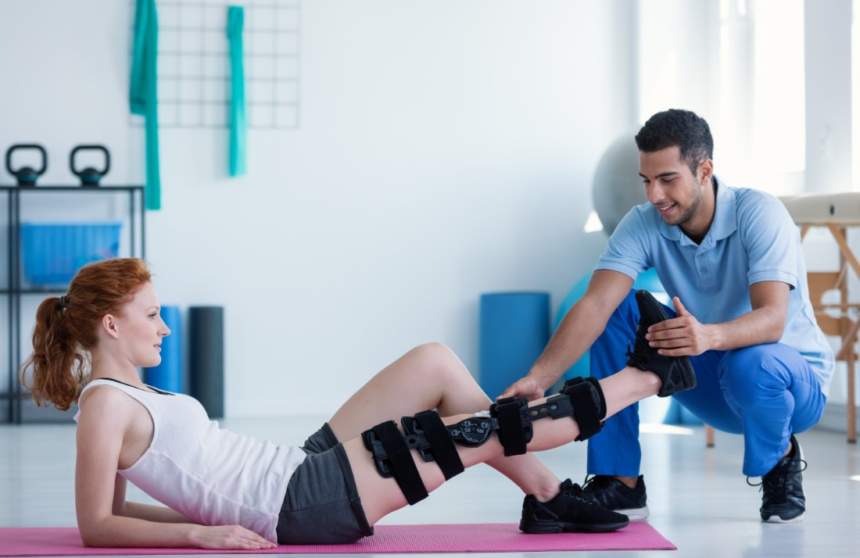
Resistance bands, light weights, and guided exercises are often used.
Stage 4: Advanced Training
Now the athlete prepares to return to normal sports activity.
This stage includes:
- Sport-specific training
- Speed and agility exercises
- Coordination practice
For example, a football player may start running drills again.
Stage 5: Return to Sports
This is the final stage where the athlete returns to full activity.
The goal is:
- Safe return to competition
- Confidence in movement
- No pain or weakness
Doctors and therapists carefully monitor progress before giving clearance.
Types of Treatments Used in Rehabilitation
Sports injury rehabilitation uses many treatment methods depending on the injury.
1. Physiotherapy Exercises
These are special exercises designed to restore movement and strength.
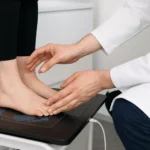
2. Manual Therapy
Therapists use hands to reduce stiffness and improve joint movement.
3. Heat and Cold Therapy
- Cold reduces swelling
- Heat improves blood flow and relaxes muscles
4. Electrotherapy
Machines are used to reduce pain and improve muscle function.
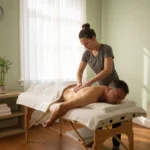
5. Massage Therapy
Helps relax muscles and improve recovery speed.
6. Stretching Programs
Improves flexibility and prevents stiffness.
Role of a Sports Rehabilitation Specialist
A sports rehabilitation specialist plays a key role in recovery. They:
- Assess the injury
- Create a recovery plan
- Guide exercises step by step
- Monitor progress
- Prevent future injuries
They make sure the athlete does not return to sports too early, which could cause more damage.
Benefits of Sports Injury Rehabilitation
Rehabilitation offers many important benefits:
1. Faster Recovery
Proper treatment helps the body heal more efficiently.
2. Safe Return to Sports
Athletes return only when they are fully ready.
3. Improved Strength
Muscles become stronger than before in many cases.
4. Better Flexibility
Movement becomes smoother and easier.
5. Mental Confidence
Athletes regain confidence after injury fear.
Mental Side of Sports Injury Recovery
Injuries are not just physical—they also affect the mind. Many athletes feel:
- Frustrated
- Anxious
- Afraid of re-injury
Rehabilitation also supports mental recovery by:
- Setting small goals
- Encouraging progress
- Building confidence step by step
Mental strength is just as important as physical healing.
Tips for Better Recovery
To recover faster and safely, follow these tips:
- Follow your therapist’s instructions
- Do not rush recovery
- Eat healthy food for healing
- Stay hydrated
- Get enough rest
- Avoid skipping rehabilitation sessions
Patience is very important during recovery.
Mistakes to Avoid During Rehabilitation
Many people slow down their recovery by making mistakes like:
- Returning to sports too early
- Ignoring pain signals
- Skipping exercises
- Not following medical advice
- Overtraining after injury
These mistakes can lead to long-term problems.
Conclusion
Sports injury rehabilitation is a very important process for anyone who plays sports or stays physically active. It helps the body heal properly, rebuild strength, and return to sports safely.
Recovery is not just about resting—it is about guided healing, structured exercises, and gradual improvement. With the right rehabilitation plan, athletes can recover fully and even become stronger than before.
If you ever face a sports injury, do not ignore it or rush back to activity. Proper rehabilitation ensures a safe, strong, and confident return to the game you love.
FAQs
1. What is sports injury rehabilitation?
It is a structured recovery process that helps athletes heal and regain strength after an injury.
2. How long does sports rehabilitation take?
It depends on the injury, ranging from a few weeks to several months.
3. Is physiotherapy part of rehabilitation?
Yes, physiotherapy is a key part of sports injury rehabilitation.
4. Can I return to sports without rehabilitation?
It is not recommended, as it increases the risk of re-injury.
5. Does rehabilitation completely cure sports injuries?
Yes, in most cases it helps full recovery if followed properly and consistently.