
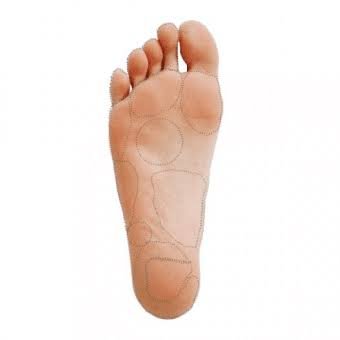
Plantar warts are small, rough growths that form on the skin of the feet. They develop when the human papillomavirus, or HPV, enters the body through tiny cuts or breaks in the skin, and they most often appear on the heels or balls of the feet where pressure is greatest. Here is more information about plantar warts and effective treatments for them:
Preventing Plantar Warts
The virus that causes plantar warts spreads easily in warm, moist environments. Locker rooms, public showers, and pool decks are common places where the virus lingers on damp surfaces. Wearing sandals or water shoes in these areas can lower your risk of coming into contact with it. Keeping your feet clean and dry also helps, as the virus struggles to survive on skin that isn’t moist. To further reduce the risk of transmission, try the following habits:
- Change your socks daily to maintain cleanliness and dryness
- Avoid sharing towels, shoes, or nail tools with others
- Dry your feet thoroughly after bathing or swimming
- Use antifungal powders or sprays regularly, especially if you are prone to sweaty feet
- Choose breathable footwear to reduce moisture build-up
- Trim your toenails straight across to prevent injuries that could allow infections to enter
Using Salicylic Acid
Salicylic acid is one of the most common active ingredients found in wart treatments. It is a keratolytic agent, which means it works by dissolving the protein that holds thickened skin cells together. Products containing salicylic acid come in liquids and gels, and they are also found in many adhesive pads.
When you apply salicylic acid to a plantar wart, it slowly wears down the hardened tissue layer by layer. It may be helpful to soak the foot in warm water first; soak your foot for five minutes before applying the acid. You then file away the softened tissue between applications to expose fresh layers underneath.
Regular application over several weeks is often needed for noticeable results. The treatment requires patience, and stopping too early may allow the wart to remain. Following the product instructions carefully helps you use the acid safely so you avoid irritating the surrounding skin.
Getting Cryotherapy
Cryotherapy is a method that uses extreme cold to remove plantar warts. A healthcare provider applies liquid nitrogen to the wart, and the freezing temperature destroys the affected tissue. Over-the-counter freezing kits can be effective but are typically less powerful than clinical options.
After the wart is frozen, a blister usually forms around the treated area within a few days. The blister heals, and the dead skin and wart tissue eventually fall away. More than one session may be required. Some warts respond slowly to a single treatment.
Get Treatment for Plantar Warts
Plantar warts are preventable, and prevention centers on keeping your feet dry and protected in shared spaces. In some situations, more conservative treatment methods do not fully resolve the wart, making surgery a possibility. If you want to learn more about treatment for warts, consult a foot and ankle specialist near you.