
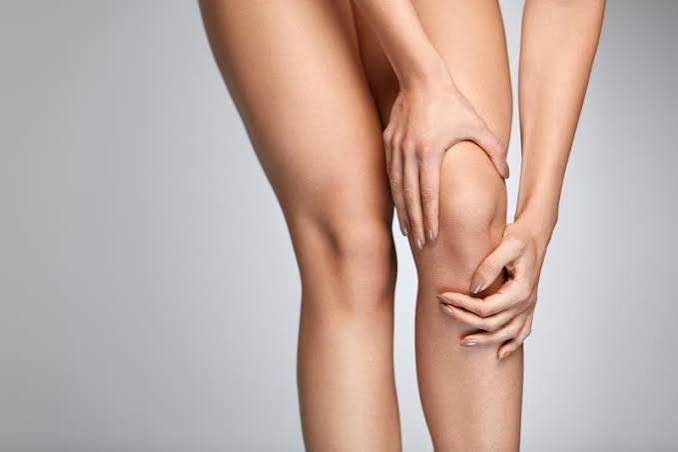
Knee pain can stem from many sources, and these include arthritis, ligament sprains, meniscus tears, tendonitis, and general wear over time. Problems with joints can affect a person’s ability to perform daily activities and routines. Here is more information about pain in the knees and some key factors and methods that influence recovery:
Identifying Knee Pain Symptoms
Common symptoms of knee pain include:
- Swelling and stiffness around the joint
- Reduced range of motion
- A grinding or clicking sensation during movement
- Sharp pain during specific activities
- Warmth and redness when inflammation is present
Pain in the knees can affect nearly every part of your daily routine. Climbing stairs, standing for long periods, and getting in and out of a car may become uncomfortable, and these limitations often reduce your independence. Over time, reduced activity leads to weaker muscles, which sometimes makes the discomfort worse. Persistent discomfort also interferes with sleep, and poor rest tends to influence mood and concentration throughout the day. Though knee pain may be troublesome, there are ways to help yourself recover from it.
Recovering With Physical Therapy
Physical therapy focuses on restoring strength, flexibility, and stability in the knee and surrounding muscles. A therapist evaluates your movement patterns, and they design a program tailored to your specific condition and circumstances. This structured approach targets the underlying weaknesses that may contribute to discomfort. Therapy sessions often include a combination of:
- Stretching exercises to improve flexibility
- Strengthening exercises to build muscle support
- Low-impact activities to restore movement without straining the knee
Consistency plays a role in physical therapy outcomes. Patients typically follow a home exercise routine between sessions to continuously work on strength and mobility. Working a little each day can have significant benefits in physical therapy.
Using Steroid Injections
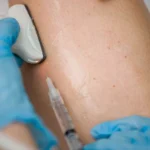
Steroid injections are sometimes used when inflammation contributes significantly to knee discomfort. The injection delivers medication directly into the joint, and this targeted approach focuses on the area where inflammation occurs. A physician administers the injection during an in-office visit.
The goal of a steroid injection is to reduce swelling, and it also lowers irritation within the joint. When inflammation decreases, some patients find it easier to participate in physical therapy or resume gentle activity because the joint feels less restricted. This window of reduced discomfort can support other parts of a recovery plan.
Getting Surgery
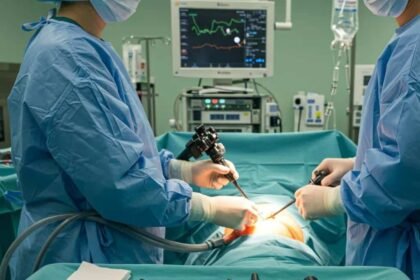
Knee surgery may be pursued when other treatments do not provide adequate relief or when structural damage is present. The specific procedure depends on the diagnosis, and options range from arthroscopic repair to partial or total joint replacement. A surgeon reviews imaging and examination results to determine the appropriate approach.
Arthroscopic procedures use small incisions, and the surgeon uses a camera to access the joint. Surgeons can repair torn tissue, remove damaged fragments, or smooth rough surfaces, and these steps address problems that limit movement. This minimally invasive method often results in a faster recovery period than open surgery.
For more advanced joint damage, replacement surgery removes worn joints, and they are replaced with durable implants. Recovery from these procedures typically involves a structured rehabilitation plan because rebuilding strength and mobility takes time. Following the recovery program supports the healing process and helps restore function.
Find Relief From Knee Pain
Pain in the knees can develop from many causes, and its symptoms often disrupt daily activities and overall mobility. While many causes of knee pain can be resolved with conservative treatments and care, some types of knee pain, such as meniscus tears, cannot be resolved without undergoing surgery. To learn more about treatments for knee pain, consult an orthopedist near you.