
Sleep is one of the most important parts of human life. It gives the body time to rest, repair, and recharge. Good sleep improves mood, memory, energy, and overall health. But many people today suffer from sleep problems that affect their daily lives. When sleep issues become serious or long-term, a sleep disorder clinic can help.
- What is a Sleep Disorder Clinic?
- Why Sleep is Important
- What Conditions Are Treated in a Sleep Disorder Clinic?
- 1. Insomnia
- 2. Sleep Apnea
- 3. Restless Leg Syndrome
- 4. Narcolepsy
- 5. Circadian Rhythm Disorders
- 6. Parasomnias
- How Does a Sleep Disorder Clinic Work?
- 1. Initial Consultation
- 2. Sleep Study (Polysomnography)
- 3. Diagnosis
- 4. Treatment Plan
- Treatment Options in a Sleep Disorder Clinic
- 1. Behavioral Therapy
- 2. Medications
- 3. CPAP Therapy
- 4. Lifestyle Changes
- 5. Relaxation Techniques
- 6. Light Therapy
- Why Sleep Disorder Clinics Are Important
- When Should You Visit a Sleep Disorder Clinic?
- Benefits of Visiting a Sleep Disorder Clinic
- 1. Accurate Diagnosis
- 2. Effective Treatment
- 3. Improved Energy
- 4. Better Mental Health
- 5. Long-Term Health Protection
- Tips for Better Sleep at Home
- The Growing Importance of Sleep Health
- Conclusion
- FAQs
A sleep disorder clinic is a specialized medical center that diagnoses and treats different types of sleep problems. These clinics help people understand why they are not sleeping well and provide treatment to improve sleep quality.
In this article, we will explain what a sleep disorder clinic is, what conditions it treats, how it works, and why it is important—all in simple and easy language.
What is a Sleep Disorder Clinic?
A sleep disorder clinic is a healthcare facility where doctors study and treat sleep-related problems. These clinics focus on understanding why a person has trouble sleeping and how to fix it.
They are usually run by sleep specialists such as:
- Sleep medicine doctors
- Neurologists
- Psychiatrists
- Pulmonologists (lung specialists)
- Psychologists
These experts work together to treat sleep disorders in a complete and scientific way.
Why Sleep is Important
Sleep is not just rest. It is essential for survival and good health.
Good sleep helps:
- Improve brain function
- Boost memory and focus
- Strengthen immunity
- Balance hormones
- Improve mood and emotional health
- Support heart health
When sleep is disturbed, the whole body and mind are affected.
What Conditions Are Treated in a Sleep Disorder Clinic?
Sleep disorder clinics treat many types of sleep problems, including:
1. Insomnia
Insomnia means difficulty falling asleep or staying asleep. People with insomnia often feel tired even after lying in bed for hours.
2. Sleep Apnea
Sleep apnea is a serious condition where breathing stops and starts during sleep. It can lead to:
- Loud snoring
- Daytime sleepiness
- Headaches
- High blood pressure
3. Restless Leg Syndrome
This condition causes an uncomfortable feeling in the legs, making it hard to sleep peacefully.
4. Narcolepsy
Narcolepsy is a condition where a person suddenly feels extreme sleepiness during the day and may fall asleep unexpectedly.
5. Circadian Rhythm Disorders
This happens when the body’s internal clock is not aligned with normal day-night cycles. It affects people who work night shifts or travel frequently.
6. Parasomnias
These are unusual behaviors during sleep, such as:
- Sleepwalking
- Night terrors
- Talking in sleep
How Does a Sleep Disorder Clinic Work?
A sleep disorder clinic follows a step-by-step process to diagnose and treat sleep problems.
1. Initial Consultation
The doctor asks questions about:
- Sleep habits
- Daily routine
- Stress levels
- Medical history
- Symptoms
This helps understand the possible cause of sleep problems.
2. Sleep Study (Polysomnography)
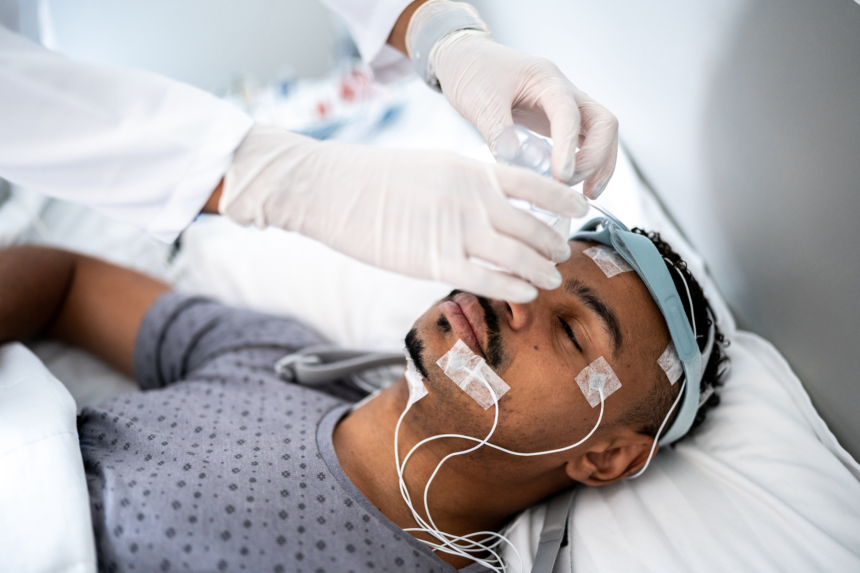
One of the most important tests is a sleep study. The patient may be asked to sleep in the clinic overnight while machines monitor:
- Brain activity
- Heart rate
- Breathing patterns
- Oxygen levels
- Body movements
This helps doctors understand what happens during sleep.
3. Diagnosis
After studying the results, the doctor identifies the exact sleep disorder.
4. Treatment Plan
A personalized treatment plan is created based on the condition.
Treatment Options in a Sleep Disorder Clinic
Sleep disorder clinics use different treatments depending on the problem.
1. Behavioral Therapy
This is often used for insomnia. It helps patients:
- Change negative sleep habits
- Improve bedtime routine
- Reduce anxiety about sleep
2. Medications
Doctors may prescribe medicines for short-term relief, such as:
- Sleeping pills
- Melatonin supplements
- Anxiety-reducing medicines
3. CPAP Therapy
For sleep apnea patients, a CPAP machine is used. It helps keep airways open during sleep so breathing remains normal.
4. Lifestyle Changes
Doctors often recommend:
- Regular sleep schedule
- Reducing caffeine intake
- Avoiding screen time before bed
- Exercising regularly
5. Relaxation Techniques
Patients are taught methods like:
- Deep breathing
- Meditation
- Yoga
- Muscle relaxation exercises
These help calm the mind before sleep.
6. Light Therapy
For circadian rhythm disorders, light therapy helps reset the body clock by exposing patients to bright light at specific times.
Why Sleep Disorder Clinics Are Important
Sleep disorder clinics play a very important role in healthcare.
They help:
- Identify hidden sleep problems
- Improve sleep quality
- Reduce health risks
- Improve mental and physical health
- Prevent long-term complications
Without proper treatment, sleep disorders can lead to serious problems like heart disease, depression, and diabetes.
When Should You Visit a Sleep Disorder Clinic?
You should visit a clinic if you experience:
- Difficulty sleeping for weeks or months
- Feeling tired even after sleeping
- Loud snoring or breathing pauses
- Daytime sleepiness
- Trouble focusing or memory issues
- Unusual sleep behaviors
Early diagnosis helps prevent serious health issues.
Benefits of Visiting a Sleep Disorder Clinic
There are many advantages:
1. Accurate Diagnosis
Doctors find the exact reason for sleep problems.
2. Effective Treatment
Personalized care leads to better results.
3. Improved Energy
Better sleep improves daily energy levels.
4. Better Mental Health
Good sleep reduces stress, anxiety, and depression.
5. Long-Term Health Protection
Proper sleep reduces risk of many diseases.
Tips for Better Sleep at Home
Along with medical treatment, you can improve sleep with simple habits:
- Sleep and wake up at the same time daily
- Keep your bedroom dark and quiet
- Avoid mobile phones before bed
- Do not drink coffee at night
- Exercise during the day
- Relax before sleep
These habits support healthy sleep naturally.
The Growing Importance of Sleep Health
In today’s busy life, sleep problems are increasing due to:
- Stress
- Screen addiction
- Irregular routines
- Work pressure
Because of this, sleep disorder clinics are becoming more important than ever. They help people restore balance and improve quality of life.
Conclusion
A sleep disorder clinic is a specialized place where sleep problems are diagnosed and treated in a scientific and structured way. From insomnia to sleep apnea, these clinics help people understand their condition and get proper treatment.
Sleep is not a luxury—it is a necessity. Without good sleep, both physical and mental health suffer. With the right care, lifestyle changes, and medical support, most sleep disorders can be managed successfully.
If sleep problems are affecting your life, visiting a sleep disorder clinic can be the first step toward better health and a more energetic life.
FAQs
1. What is a sleep disorder clinic?
It is a medical center that diagnoses and treats sleep-related problems like insomnia, sleep apnea, and restless leg syndrome.
2. What happens during a sleep study?
Doctors monitor brain activity, breathing, and body movements while you sleep to diagnose sleep disorders.
3. Are sleep disorders treatable?
Yes, most sleep disorders can be treated with therapy, medication, and lifestyle changes.
4. Do I need to stay overnight at the clinic?
In some cases, yes, especially for a sleep study test.
5. When should I visit a sleep disorder clinic?
If you have ongoing sleep problems, daytime tiredness, or unusual sleep behavior, you should visit a specialist.