

An annual wellness exam for women is one of the most important steps in maintaining good health. It is a yearly medical checkup that helps women understand their overall health condition, detect diseases early, and prevent future health problems. Many serious illnesses do not show early symptoms, so regular checkups are very important.
- What is an Annual Wellness Exam for Women?
- Why is the Annual Wellness Exam Important?
- What Happens During an Annual Wellness Exam?
- 1. Medical History Review
- 2. Physical Examination
- 3. Gynecological Exam
- 4. Blood and Lab Tests
- 5. Vaccination Review
- 6. Mental Health Discussion
- 7. Lifestyle Counseling
- Benefits of an Annual Wellness Exam for Women
- 1. Early Disease Detection
- 2. Better Reproductive Health
- 3. Preventive Care
- 4. Personalized Health Advice
- 5. Peace of Mind
- Who Should Get an Annual Wellness Exam?
- Common Tests in Women’s Wellness Exams
- How to Prepare for an Annual Wellness Exam
- Importance of Regular Checkups
- Lifestyle Tips for Better Women’s Health
- The Role of Preventive Healthcare
- Conclusion
- FAQs
This exam is not only for when someone feels sick. In fact, it is designed for healthy women too, because prevention is always better than cure. It helps doctors track changes in the body and guide women toward a healthier lifestyle.
In this article, we will explain what an annual wellness exam is, what happens during it, why it is important, and how it helps women stay healthy in a simple and easy way.
What is an Annual Wellness Exam for Women?
An annual wellness exam for women is a yearly health checkup that focuses on both physical and reproductive health. It is done by a doctor, usually a primary care physician or gynecologist.
The main goal of this exam is to:
- Check overall health
- Detect diseases early
- Review lifestyle and habits
- Monitor reproductive health
- Prevent future health issues
It is a complete health assessment that helps women stay informed about their bodies.
Why is the Annual Wellness Exam Important?
Many health problems develop slowly and do not show clear symptoms in the beginning. Without regular checkups, they may go unnoticed until they become serious.
This exam is important because it:
- Helps detect diseases early
- Prevents serious health complications
- Monitors changes in the body over time
- Improves long-term health outcomes
- Encourages healthy lifestyle choices
Regular checkups can even save lives by identifying conditions like cancer, diabetes, or heart disease early.
What Happens During an Annual Wellness Exam?
A wellness exam includes several steps. It is simple, comfortable, and usually completed within a short visit.
1. Medical History Review
The doctor starts by asking questions about your health, such as:
- Past illnesses or surgeries
- Family medical history
- Current medications
- Lifestyle habits (diet, exercise, sleep)
- Menstrual cycle patterns
This helps the doctor understand your health background.
2. Physical Examination
A general physical checkup is done, which may include:
- Checking blood pressure
- Measuring weight and height
- Examining heart and lungs
- Checking overall body condition
This gives a basic idea of your physical health.
3. Gynecological Exam
For women, reproductive health is an important part of the exam.
This may include:
- Pelvic exam
- Breast exam
- Pap smear test (for cervical cancer screening)
- HPV test (if needed)
These tests help detect reproductive health issues early.
4. Blood and Lab Tests
Doctors may recommend lab tests such as:
- Blood sugar test
- Cholesterol levels
- Thyroid function test
- Complete blood count
These tests help detect internal health problems.
5. Vaccination Review
The doctor checks if vaccines are up to date, such as:
- Flu vaccine
- HPV vaccine
- Tetanus booster
Vaccines help prevent many diseases.
6. Mental Health Discussion
Mental health is also part of the wellness exam. The doctor may ask about:
- Stress levels
- Anxiety or depression symptoms
- Sleep quality
- Emotional well-being
Mental health is just as important as physical health.
7. Lifestyle Counseling
Doctors provide advice on:
- Healthy diet
- Exercise routines
- Weight management
- Stress control
- Sleep improvement
This helps women maintain a balanced lifestyle.
Benefits of an Annual Wellness Exam for Women
There are many benefits of getting this exam every year:
1. Early Disease Detection
Many serious diseases like cancer, diabetes, and heart problems can be detected early.
2. Better Reproductive Health
Helps monitor menstrual health and detect gynecological issues.
3. Preventive Care
Prevents diseases before they become serious.
4. Personalized Health Advice
Doctors give advice based on your individual health needs.
5. Peace of Mind
Knowing your health status reduces anxiety and worry.
Who Should Get an Annual Wellness Exam?
All women should have yearly checkups, including:
- Teenagers (for menstrual health guidance)
- Young adults (for reproductive health and lifestyle advice)
- Pregnant women (with additional care)
- Middle-aged women (for hormone balance and disease screening)
- Older women (for menopause and chronic disease monitoring)
Every stage of life needs different health care attention.
Common Tests in Women’s Wellness Exams
Some common screenings include:
- Pap smear for cervical cancer
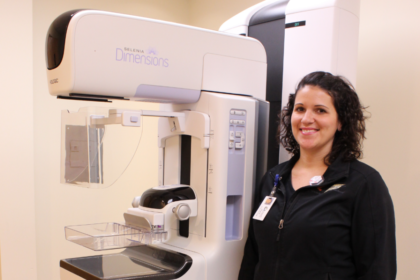
- Mammogram for breast cancer (depending on age)
- Blood pressure check
- Diabetes screening
- Cholesterol test
These tests help detect problems early.
How to Prepare for an Annual Wellness Exam
To get the best results, women can prepare by:
- Writing down health concerns or symptoms
- Listing current medications
- Tracking menstrual cycle history
- Avoiding heavy makeup or lotions before exams
- Bringing past medical records if available
Being prepared helps doctors give better care.
Importance of Regular Checkups
Skipping yearly exams can lead to:
- Late diagnosis of diseases
- Missed early warning signs
- More complicated treatments later
- Higher health risks
Regular checkups make healthcare simple and effective.
Lifestyle Tips for Better Women’s Health
Along with annual exams, healthy habits are very important:
- Eat fresh fruits and vegetables
- Exercise regularly
- Drink enough water
- Get 7–8 hours of sleep
- Avoid smoking and alcohol
- Manage stress effectively
Healthy habits support long-term wellness.
The Role of Preventive Healthcare
Preventive healthcare focuses on stopping diseases before they start. The annual wellness exam is a key part of this approach.
It helps women:
- Stay informed about their health
- Take early action when needed
- Avoid serious complications
- Live healthier lives
Prevention is always better than treatment.
Conclusion
An annual wellness exam for women is a simple but powerful way to maintain good health. It helps detect diseases early, monitor reproductive health, and guide women toward healthier lifestyles.
This yearly checkup is not just for when you feel unwell—it is for staying healthy and preventing future problems. Every woman, at every stage of life, can benefit from regular wellness exams.
Taking care of your health today ensures a stronger, healthier tomorrow.
FAQs
1. What is an annual wellness exam for women?
It is a yearly health checkup that monitors physical, reproductive, and mental health.
2. Why is it important?
It helps detect diseases early and prevents future health problems.
3. What tests are included in this exam?
Common tests include blood pressure, Pap smear, blood tests, and breast exams.
4. How often should women get this exam?
Women should have an annual wellness exam once every year.
5. Is the exam painful?
No, most parts of the exam are simple, quick, and not painful.