
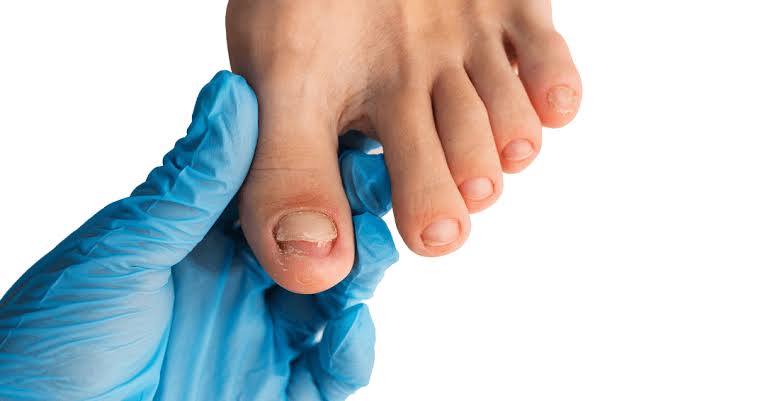
Fungal nails happen when fungi grow under or inside the nail, and they may turn yellow, thicken, or become brittle, separating from the toe. Warm, moist spaces let fungi spread, so prevention starts with daily habits. Here are four steps you can take at home to help lower your risk of developing this condition:
Washing Frequently
Washing removes fungi and dead skin from the surface. Use soap and warm water, and scrub well between your toes to prevent fungal nails. Rinse your feet well so no residue stays behind.
Wash your feet at least once a day. If you exercise or work long shifts, an extra wash helps because sweat builds up quickly. Clean feet typically give fungi fewer chances to take hold, and daily washing keeps skin healthier.
Changing Socks Regularly
Socks trap sweat against your skin all day. Fresh socks keep feet drier, and they reduce the moisture fungi feed on. Change into a clean pair each morning.
Damp socks stay warm and wet for hours, which creates ideal conditions for fungi. Pack a spare pair if your day runs long. Choosing the right material also makes a difference, so review the options below. Look for socks that pull moisture away from your skin:
- Wool for breathability and moisture control
- Synthetics made for athletes
- Cotton-poly mixes that dry faster than pure cotton
Wet socks after exercise raise your risk. Swap them right away, and let your feet air out before you put on shoes. Since dry socks limit fungal growth, this small habit supports the others.
Keeping Feet Dry
Toenail fungus grows in damp conditions. When you dry your feet after a shower, you remove the moisture that fungi need to spread. Dry your toes carefully, and pay attention to the spaces between them.
Sweat builds up during the day, so damp skin gives fungi a place to settle. Applying foot powder keeps skin drier, and it absorbs extra moisture. If your feet sweat often, change your footwear midday.
Wet floors in gyms and pools carry fungi. Wear sandals in shared showers, and dry your feet once you leave. Since damp skin raises your risk, a quick towel-off matters after every wash.
Airing Out Shoes
Shoes hold heat and moisture after you wear them. Airing them out lets the inside dry, and you should do this before your next use. After this step, leave them in an open, ventilated spot.
Rotating two pairs gives each one time to dry fully. Damp shoes stay warm inside, and that warmth feeds fungi. When you alternate pairs, you break the cycle of trapped moisture. Try these steps to keep your shoes drier:
- Remove insoles overnight to speed drying
- Store shoes away from closed, humid closets
- Use cedar inserts to absorb moisture
Wearing the same wet shoes daily raises your risk. Give each pair a full day to dry, and check the lining for dampness. Since dry shoes typically hold fewer fungi, rotation protects your feet over time.
Get Treatment for Fungal Nails
Prevention lowers your risk, but fungal nails still develop sometimes. Early signs are easier to address than advanced ones. If you notice changes in your nails, book an appointment with a foot care provider today. Bring a list of your symptoms, and describe when they started. Early evaluation gives you clear next steps for your treatment.