
Preparing for LASIK starts before surgery day, and the choices you make during that period influence how smoothly everything goes. The process involves medical evaluations, changes to your daily routine, and planning for the short recovery window. Each step gives your eye doctor a clearer understanding of your vision, which helps guide decisions about your ongoing eye care. Here is more information on preparing for LASIK:
Why Is LASIK Conducted?
LASIK reshapes the cornea so light focuses more accurately on the retina, addressing common refractive errors. An eye doctor evaluates whether the cornea has the right thickness and structure, and they also review overall eye health before recommending surgery. This surgery addresses:
- Nearsightedness: The eye focuses images in front of the retina, and distant objects look blurry while near objects stay clearer.
- Farsightedness: Images focus behind the retina, and close work such as reading or computer use becomes more difficult.
- Astigmatism: An irregular corneal shape distorts vision at multiple distances and often creates ghosting or shadowing around objects.
Although LASIK addresses these issues, not every person with refractive error is a candidate, and the pre-surgical evaluation screens for that. Age, prescription stability, corneal measurements, and general health all influence the decision, and a thorough conversation with the surgeon clarifies realistic outcomes.
How Can Patients Prepare?
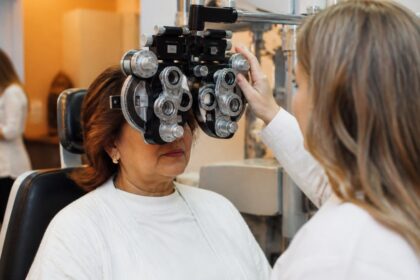
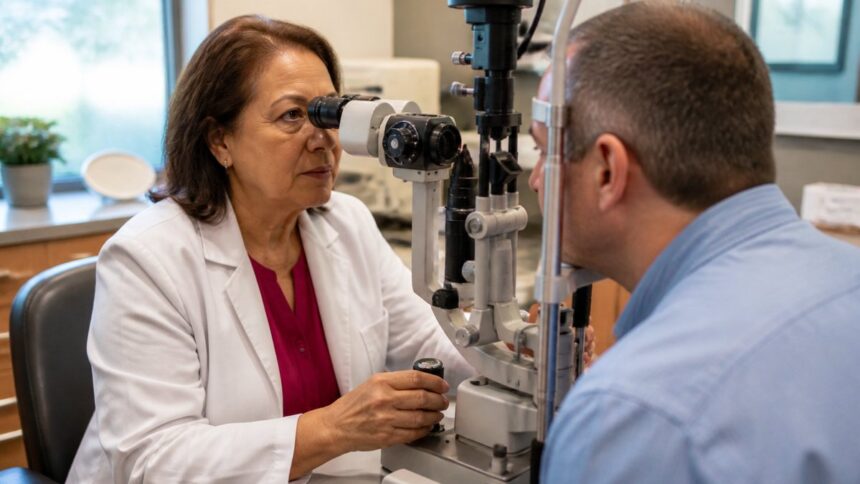
Preparation starts with a comprehensive eye exam; this visit may include measurements of corneal thickness, pupil size, and tear production. The doctor reviews medical history and current medications. They may also ask about previous eye injuries or surgeries. Contact lens wear may need to pause before these measurements. The exact time frame depends on the lens type. When lenses stay out for the recommended period, corneal measurements reflect the eye’s natural state, supporting more predictable results.
Patients also receive instructions about everyday products and habits in the days before surgery. Those instructions may address eye comfort and safety. Because makeup, lotions, and perfumes near the eyes may interfere with cleanliness around the surgical field, avoid applying them on the day of surgery. Some patients may start prescribed eye drops ahead of time, while others focus on keeping their eyes lubricated and rested.
When patients plan for the day of surgery and the first few days afterward, they can keep their attention focused on healing. Patients arrange transportation because driving right after the procedure is not advised. They may schedule time away from work or school. A comfortable resting space at home, sunglasses, and any recommended over-the-counter supplies support early recovery.
How Is Proper Preparation Beneficial?
Proper preparation gives the surgeon higher-quality data. When corneal maps, prescriptions, and pupil measurements are stable, the laser settings match the true refractive error more closely. Accurate inputs do not guarantee a specific outcome, but they help reduce avoidable variability.
Preparation supports smoother healing, and it may lower the chance of irritation after surgery. Clean eyelids and lashes reduce surface debris. That cleanliness supports postoperative drop use. Patients who understand which activities to pause during the first days, such as swimming or heavy exercise, protect the eyes as the corneal flap heals.
Learn More From an Optometrist
Questions about LASIK, candidacy, or preparation steps are addressed in a direct conversation with an eye care professional. An optometrist evaluates your current prescription, reviews your eye health, and explains how refractive surgery aligns with your long-term vision goals. Regular comprehensive exams support eye health beyond surgery, and they help detect changes that affect daily comfort and future treatment options. If you are preparing for LASIK, seek professional guidance now.