
A bright and healthy smile is one of the first things people notice about you. While brushing and flossing at home are important daily habits, they are not always enough to keep your teeth completely clean. Over time, plaque and tartar can build up on the teeth and gums, leading to dental problems that cannot be removed with regular brushing alone. This is where professional teeth cleaning services become important.
- What Are Teeth Cleaning Services?
- Why Are Teeth Cleaning Services Important?
- Signs You May Need Teeth Cleaning Services
- What Happens During a Professional Teeth Cleaning?
- 1. Oral Examination
- 2. Plaque and Tartar Removal
- 3. Deep Cleaning and Polishing
- 4. Professional Flossing
- 5. Fluoride Treatment (Optional)
- Types of Teeth Cleaning Services
- Benefits of Regular Teeth Cleaning Services
- How Often Should You Get Your Teeth Cleaned?
- Tips to Maintain Clean Teeth Between Dental Visits
- Brush Twice Daily
- Floss Every Day
- Drink Plenty of Water
- Limit Sugary Foods
- Avoid Tobacco Products
- Visit Your Dentist Regularly
- Choosing the Right Teeth Cleaning Service
- Conclusion
Teeth cleaning services are designed to remove plaque, tartar, and stains from your teeth while helping prevent cavities, gum disease, and bad breath. Regular dental cleanings are an essential part of maintaining good oral health and keeping your smile looking its best.
In this article, we will explain what teeth cleaning services are, their benefits, the cleaning process, and why regular visits to the dentist are important for your overall health.
What Are Teeth Cleaning Services?
Teeth cleaning services are professional dental treatments performed by a dentist or dental hygienist. These services focus on cleaning the teeth, gums, and mouth to remove harmful bacteria, plaque, tartar, and stains.
Even people who brush and floss regularly can develop plaque in hard-to-reach areas. If plaque is not removed, it hardens into tartar, which can only be removed by a dental professional using special tools.
Professional teeth cleaning helps maintain healthy teeth and gums while reducing the risk of future dental issues.
Why Are Teeth Cleaning Services Important?
Many people believe that brushing twice a day is enough to maintain oral health. While brushing is essential, it cannot remove hardened tartar or reach every area of the mouth.
Regular teeth cleaning services provide several important benefits:
Prevent Cavities
Plaque contains bacteria that produce acids. These acids attack tooth enamel and can cause cavities over time. Professional cleaning removes plaque before it causes damage.
Reduce Gum Disease Risk
Gum disease begins when bacteria build up around the gums. Early-stage gum disease, known as gingivitis, can cause redness, swelling, and bleeding gums. Regular cleanings help prevent gum disease and protect oral health.
Improve Breath
Persistent bad breath is often caused by bacteria trapped in plaque and tartar. Teeth cleaning removes these bacteria and leaves your mouth feeling fresh.
Brighten Your Smile
Coffee, tea, wine, and certain foods can stain teeth over time. Professional cleaning helps remove surface stains and improves the appearance of your smile.
Detect Problems Early
During a dental cleaning appointment, your dentist can identify potential issues such as cavities, gum disease, oral infections, or other concerns before they become serious.
Signs You May Need Teeth Cleaning Services
Although dentists recommend regular cleanings every six months, some signs indicate you may need a cleaning sooner.
Common signs include:
- Bleeding gums when brushing
- Persistent bad breath
- Yellow or stained teeth
- Visible tartar buildup
- Sensitive gums
- Swollen gums
- A rough feeling on the teeth
- Long gaps since your last dental visit
If you notice any of these symptoms, scheduling a professional teeth cleaning appointment is a smart decision.
What Happens During a Professional Teeth Cleaning?
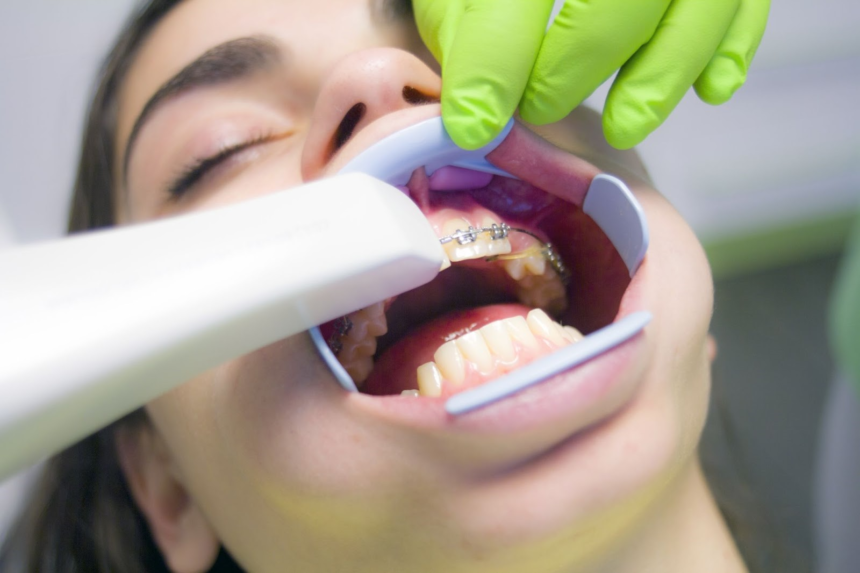
Many people feel nervous before a dental appointment because they are unsure what to expect. Fortunately, professional teeth cleaning is usually comfortable, quick, and painless.
1. Oral Examination
The dentist or hygienist first examines your teeth and gums. They check for signs of cavities, inflammation, gum disease, or other oral health concerns.
2. Plaque and Tartar Removal
Special dental instruments are used to remove plaque and tartar from the surfaces of the teeth and around the gumline.
This process is called scaling and is one of the most important parts of professional cleaning.
3. Deep Cleaning and Polishing
After removing tartar, the teeth are polished using a special dental paste. Polishing removes surface stains and leaves teeth feeling smooth and clean.
4. Professional Flossing
The dental hygienist flosses between the teeth to remove debris and ensure every area is clean.
5. Fluoride Treatment (Optional)
Some dental offices offer fluoride treatment to strengthen tooth enamel and reduce the risk of cavities.
The entire process usually takes between 30 and 60 minutes depending on your oral health condition.
Types of Teeth Cleaning Services
Different patients may require different types of cleaning treatments.
Routine Dental Cleaning
This is the most common type of cleaning and is recommended for patients with healthy teeth and gums.
Deep Cleaning
Deep cleaning is recommended for patients with gum disease. It involves scaling and root planing to remove bacteria and tartar below the gumline.
Periodontal Maintenance Cleaning
Patients with a history of gum disease may require more frequent cleanings to prevent future complications.
Gross Debridement Cleaning
This cleaning is used when excessive plaque and tartar buildup make a routine cleaning difficult.
Your dentist will recommend the most suitable cleaning method based on your oral health needs.
Benefits of Regular Teeth Cleaning Services
Professional teeth cleaning offers both short-term and long-term benefits.
Healthier Gums
Clean gums are less likely to become inflamed or infected.
Stronger Teeth
Removing plaque helps protect tooth enamel and reduce the risk of decay.
Better Overall Health
Research suggests that oral health is connected to overall health. Poor dental hygiene may increase the risk of certain health conditions.
Increased Confidence
Clean, bright teeth can improve self-esteem and make you feel more confident when speaking or smiling.
Lower Dental Costs
Preventive care is often less expensive than treating major dental problems later.
How Often Should You Get Your Teeth Cleaned?
Most dentists recommend professional teeth cleaning every six months.
However, some people may need more frequent cleanings, including:
- Smokers
- Patients with gum disease
- People with diabetes
- Individuals with a history of cavities
- People wearing braces
- Patients with weakened immune systems
Your dentist can recommend the best cleaning schedule for your individual needs.
Tips to Maintain Clean Teeth Between Dental Visits
Professional cleaning is important, but daily oral care is equally essential.
Follow these simple tips:
Brush Twice Daily
Use fluoride toothpaste and brush for at least two minutes each time.
Floss Every Day
Flossing removes food particles and plaque between teeth where toothbrushes cannot reach.
Drink Plenty of Water
Water helps wash away food particles and bacteria.
Limit Sugary Foods
Sugar feeds harmful bacteria that contribute to cavities and gum disease.
Avoid Tobacco Products
Smoking and tobacco use increase the risk of gum disease, tooth loss, and oral cancer.
Visit Your Dentist Regularly
Routine checkups and cleanings are the best way to maintain long-term oral health.
Choosing the Right Teeth Cleaning Service
When selecting a dental clinic for teeth cleaning services, consider the following factors:
- Experienced dental professionals
- Positive patient reviews
- Modern dental equipment
- Clean and comfortable environment
- Flexible appointment scheduling
- Transparent pricing
A trusted dental provider can make your cleaning experience comfortable and effective.
Conclusion
Teeth cleaning services are one of the most important steps you can take to maintain a healthy smile. Professional cleanings remove plaque, tartar, and stains that regular brushing cannot eliminate. They help prevent cavities, gum disease, and bad breath while improving the appearance of your teeth.
Regular dental cleanings not only protect your oral health but also contribute to your overall well-being. Combined with good daily hygiene habits, professional teeth cleaning can keep your smile healthy, bright, and confident for years to come.
If it has been more than six months since your last dental cleaning, now is the perfect time to schedule an appointment and give your teeth the care they deserve.
Frequently Asked Questions (FAQs)
1. How long does a professional teeth cleaning take?
Most teeth cleaning appointments take between 30 and 60 minutes, depending on the amount of plaque and tartar buildup.
2. Is teeth cleaning painful?
Routine teeth cleaning is usually painless. Some patients with sensitive gums or heavy tartar buildup may experience mild discomfort.
3. How often should I get professional teeth cleaning?
Most dentists recommend cleaning every six months, although some patients may need more frequent visits.
4. Can teeth cleaning whiten my teeth?
Professional cleaning removes surface stains and can make teeth appear brighter, but it is not the same as professional teeth whitening treatment.
5. What happens if I skip regular dental cleanings?
Skipping cleanings can lead to plaque buildup, cavities, gum disease, bad breath, and more costly dental treatments in the future.