

Routine health tests play a significant role in preventing illness and identifying potential concerns before they become more serious. Recommended screenings may evaluate reproductive health, heart health, and the risk of certain cancers, helping women take a proactive approach to women’s health. Here is more information on key health tests every woman should have:
Routine Physical and Blood Tests
A routine physical exam is the foundation of women’s health care, and it gives your provider a baseline for future comparisons. During this visit, a provider measures your blood pressure, weight, and heart rate, and they may discuss your medical history in detail. Blood tests often accompany the physical exam because they reveal information an external check cannot. A complete blood count reviews your red and white blood cells, while a lipid panel measures cholesterol levels. If your provider recommends a blood glucose test, that check helps monitor your blood sugar over time.
Reproductive and Sexual Health Screenings
Reproductive and sexual health screenings review the systems tied to fertility, contraception, and intimate wellness. These checks matter for women managing abnormal bleeding, painful intercourse, or contraception needs, and they also support those planning a pregnancy. Here are some common tests in this category:
- Pelvic exam: A provider examines the reproductive organs to check for cysts, growths, or other changes.
- STI screening: Blood, urine, or swab tests detect sexually transmitted infections, and early detection guides treatment.
- Pap smear: This test collects cervical cells to look for abnormal changes.
- Prenatal panel: Pregnant women receive blood and urine tests that monitor both maternal and fetal health.
- Hormone testing: Blood tests measure hormone levels, which helps explain irregular cycles or contraception effects.
Preventive Cancer Screenings
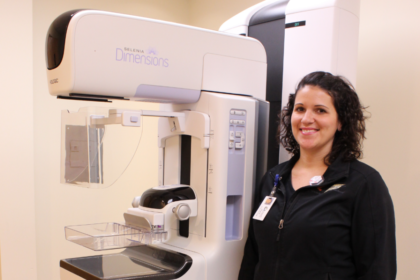
Breast and cervical cancer screenings track two areas that benefit from regular monitoring. A clinical breast exam allows a women’s health provider to feel for lumps or changes, and a mammogram uses low-dose imaging to view breast tissue in greater detail. Providers generally recommend mammograms at set age intervals, though your personal risk may change that timeline. For cervical health, a Pap smear checks for abnormal cells, while an HPV test detects the virus linked to cervical changes.
Personalized Risk-Based Tests
Some women’s health screenings depend on your age or specific risk factors. Your provider reviews your family history, lifestyle, and life stage before recommending these tests. This approach targets the checks most relevant to you, and it avoids unnecessary procedures.
Age-Based Tests
Age often determines when certain screenings become helpful, and providers use established guidelines to time them. Bone density scans become more relevant for middle-aged and older women who experience changes during and after menopause. Colon cancer screenings typically begin at a set age, though earlier testing may apply if you have a family history.
Risk-Based Tests
Risk-based tests respond to your personal and family medical background rather than your age alone. If close relatives have had certain cancers, your provider may suggest genetic testing or earlier imaging. Women with conditions such as endometriosis or recurring vaginal issues may need targeted checks to monitor those concerns. These tests give your provider the details needed to build a plan around your situation.
Schedule Your Women’s Health Appointment
Regular women’s health screenings are fundamental for early detection and prevention of potential concerns. Routine tests, based on your age and medical history, provide key insights into your overall health, while risk-based tests address specific conditions or hereditary factors. These screenings create a comprehensive approach to managing your well-being. Contact a trusted healthcare provider near you to schedule your women’s health appointment today.