
Plastic surgery covers a wide range of procedures that reshape or restore the body. Some people choose it for reconstruction after injury, and others pursue purely cosmetic changes. As every body differs, no two surgical plans look exactly alike. Here is more information on personalizing your plastic surgery plan to fit your needs:
Identifying Cosmetic Goals
Your goals shape every step of the planning process. Write down the specific features you want to change. Some plastic surgery patients focus on the face, and others want to address the body or both areas. When you name your priorities clearly, your surgeon builds a plan around them.
Think about the outcome you picture in practical terms. A short list keeps your thoughts organized during the first appointment. You might note items such as:
- Areas you want reshaped or refined
- Concerns about scars or downtime
- Timeline for your recovery
Bring these notes with you. When you arrive prepared, the discussion moves faster. These notes give your surgeon a concrete starting point, and they keep the conversation focused.
Qualifying for Surgery
Not everyone qualifies for every procedure, so your surgeon reviews your medical history first. Certain conditions affect healing, and some medications raise surgical risk. Since safety guides these decisions, honest answers matter during your evaluation. When your health meets the standards, you move forward to scheduling.
Combining Procedures
Some patients combine two or more procedures in one session. This approach reduces the number of separate recovery periods. A typical example pairs a tummy tuck with liposuction, and another combines facial procedures. When surgeries overlap in the same area, one appointment often makes sense.
Combining operations does raise the total surgical time. Longer procedures carry different risks, so your surgeon weighs each factor carefully. You discuss anesthesia limits, and you review the expected recovery load. If the plan stays within safe boundaries, your team schedules the combined session. These procedures might be combined:
- Tummy tuck and liposuction: Ideal for enhancing abdominal contour by removing excess fat and tightening muscles in one session.
- Breast augmentation and breast lift: A combination to restore volume and lift for a more youthful appearance.
- Facelift and eyelid surgery: Targets aging signs in the face and eyes for a comprehensive rejuvenation.
Having Realistic Expectations
Realistic expectations keep the process grounded. Surgery changes your appearance, but it does not create a completely different person. Photos help you and your surgeon compare goals with likely outcomes. Since bodies heal at their own pace, final results take time to appear.
Ask direct questions about what a procedure does and does not do. Your surgeon explains the limits honestly, and you decide from there. When you understand the timeline, you judge your progress more fairly. Swelling and bruising fade over weeks, so early results rarely reflect the finish.
Recovery requires patience and follow-up care. You attend scheduled visits, and you follow post-operative instructions closely. When you respect these limits, you support your own healing. Since each plan reflects your body, this conversation shapes everything that follows. Some activities pause for several weeks after surgery.
Schedule a Plastic Surgery Consultation
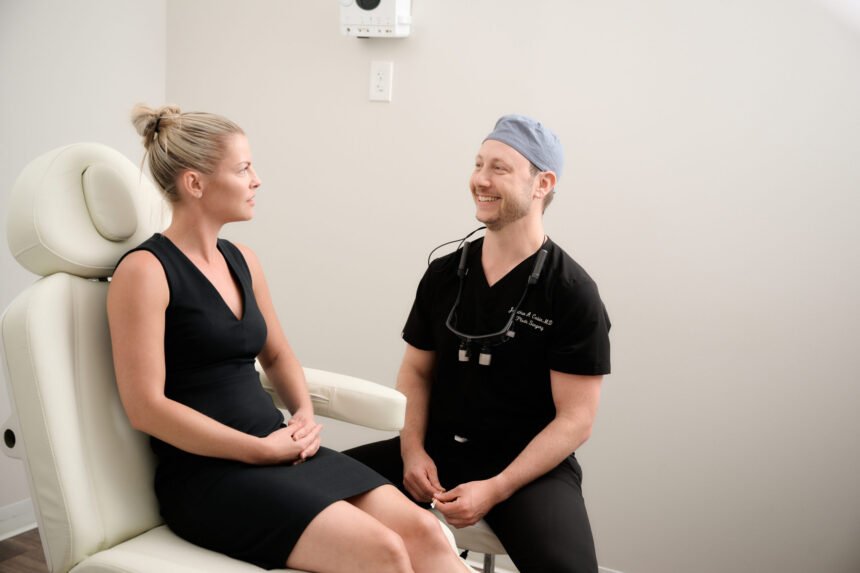
A consultation turns your ideas into a concrete plan. You meet your surgeon, and you review your goals in detail; during this visit, the team explains costs, timelines, and recovery steps. Bring your notes and your questions to the appointment. When you are ready, take the next step and contact a plastic surgery clinic today to book your personalized consultation.