
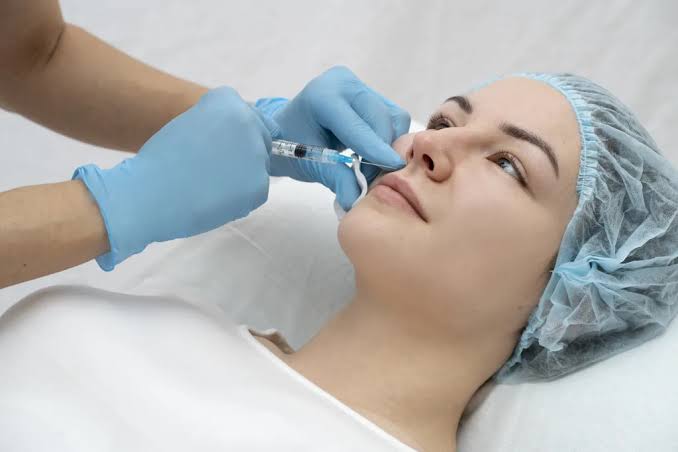
As people age, the face may lose volume in areas such as the cheeks, temples, and around the mouth. This natural change can contribute to a tired or hollow appearance. Fat grafting is an available option, and it may be suitable for those who want to restore fullness using their own tissue.
What Is Fat Grafting?
Fat grafting is a cosmetic procedure that moves fat from one part of the body to another. In the context of facial rejuvenation, fat is taken from an area where it is present in supply, such as the abdomen, thighs, or flanks, and then placed into targeted regions of the face. The goal is to add volume and improve contour in a way that appears natural. The material used comes from the patient’s own body, so the tissue is generally well tolerated. This distinguishes fat grafting from synthetic fillers, which rely on manufactured substances.
What Does It Involve?
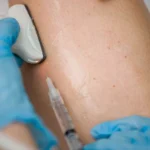
Fat grafting is typically completed in three stages. Understanding each step can help you form a clearer picture of the overall process. The first stage involves collecting fat from a donor site. A surgeon uses a technique similar to liposuction, and they insert a thin tube called a cannula through a small opening in the skin. Gentle suction draws out the fat, while limiting damage to the cells.
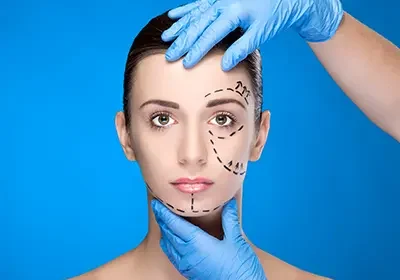
Once the fat is collected, it is processed to separate usable fat cells from other materials. This step prepares the tissue so that only healthy cells remain for placement. In the final stage, the purified fat is injected into the chosen areas of the face. The surgeon adds small amounts at a time, and they can adjust the contour gradually.
What Are the Benefits?
Fat grafting offers several qualities, which may appeal to individuals seeking a natural approach to restoring facial volume. Individual results vary, and outcomes depend on factors such as skin condition, the amount of fat transferred, and how the body responds during healing. Common benefits include:
- Natural Tissue Usage: Because the fat comes from your own body, the procedure avoids the introduction of foreign materials.
- Dual Benefit: The harvesting step removes fat from a donor area, which may improve the contour of that region while supplying material for the face.
- Natural-looking Results: When performed carefully, the added volume can blend smoothly with surrounding tissue.
- Long-lasting Outcomes: Fat cells that survive the transfer may remain in place over time.
The gradual placement technique also allows a surgeon to address specific areas based on individual facial structure.
Consult a Cosmetic Surgeon
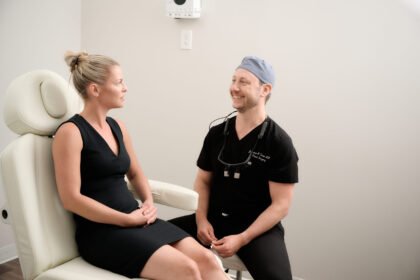
Fat grafting is one of several approaches available for addressing volume loss in the face, and it can be combined with other treatments as part of a complete plan. A cosmetic surgeon may evaluate your facial structure, discuss realistic outcomes, and explain how well the procedure fits your goals. During this discussion, you can learn about the number of sessions that will be needed and the recovery timeline. An informed conversation with a professional may offer you an understanding of whether this procedure aligns with your expectations and helps you move forward with clarity.