
Straightening teeth no longer requires the visible hardware that people may associate with metal braces. Invisalign is a clear aligner system, and it gradually moves teeth into a more even position. It offers a discreet option for adults and teens who want to correct alignment concerns, without the appearance of traditional braces.
What Is Invisalign?
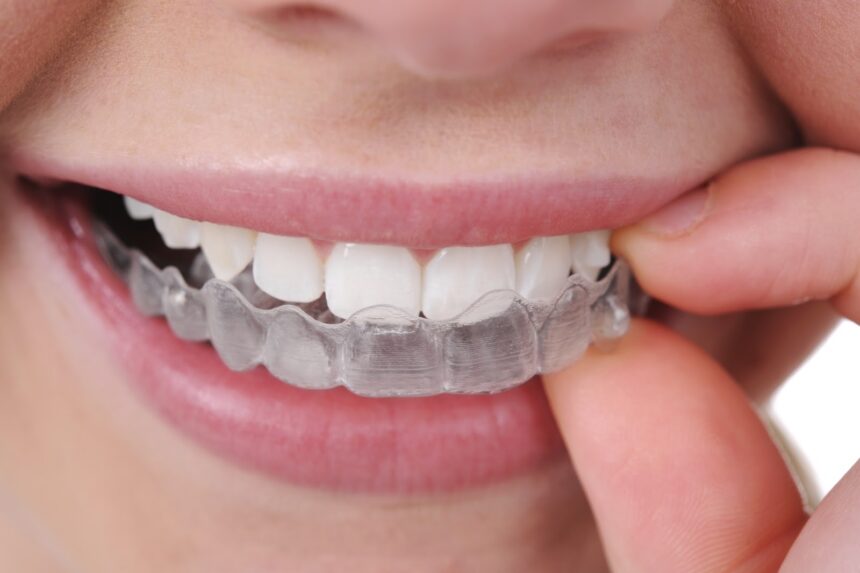
Invisalign is an orthodontic treatment built around a series of clear, custom-made plastic aligners. Each set of trays fits over the teeth, applying controlled pressure to guide them into a new position over time. Unlike conventional braces, Invisalign uses no metal brackets or wires. The aligners are smooth, removable, and designed to sit closely against the teeth; this makes them less noticeable in daily life.
The aligners are created with 3D digital scanning technology. A dentist captures a precise digital model of your teeth, and then they use that model to design trays tailored to your mouth. Each tray in the series represents a small step toward the final result, shifting teeth into place gradually.
Who Is It For?
Invisalign addresses a range of common alignment concerns, helping with teeth that are crowded, crooked, or spaced apart with noticeable gaps. People may choose it to correct the general appearance and function of their smile. The system is also used to treat certain bite issues, and these include:
- Overbite: When the upper teeth extend too far over the lower teeth
- Underbite: When the lower teeth sit in front of the upper teeth
- Crossbite: When upper and lower teeth do not line up correctly when the mouth closes
Invisalign can also assist people who wore braces in the past and later noticed their teeth shifting back out of position, a situation known as relapse. A fresh set of aligners may help restore alignment in these cases. A dentist is able to review your specific situation, and they can confirm whether the system fits your needs.
What Should You Expect?
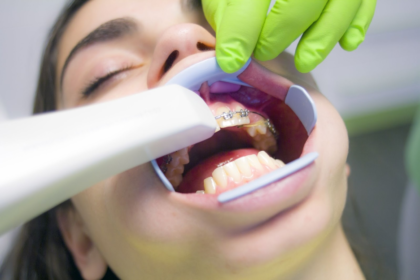
The process begins with a digital scan of your teeth. This scan replaces the traditional putty impressions, and it produces an accurate model of your mouth in a matter of minutes. From that scan, a dentist maps out a treatment plan. Patients may receive a 3D preview that shows how their teeth are expected to look at the end of the process.
Wear and Removal
Once your custom aligners arrive, you wear them for roughly 20 to 22 hours each day. You remove them only to eat and drink anything other than water, and they should be taken out when you brush your teeth. This removability is one of the practical differences between Invisalign and fixed braces.
Aligner Sets Replacements
You move through the treatment one set at a time. Each set is typically worn for about one to two weeks, and then you switch to the next tray in the series. With every change, your teeth shift a little closer to the planned position.
Treatment Timeline and Check-Ins
Total treatment length generally falls between 6 and 18 months, depending on the complexity of your case. You attend periodic check-in visits throughout that period. A dentist can monitor progress during these appointments, and they will confirm that your teeth are tracking as expected.
Speak Further With a Dentist
The clear aligners and gradual tray changes combine to form a structured plan from initial scanning to your final result. Because every mouth differs, the length and details of treatment vary from one person to the next. A dentist will examine your teeth, and they can explain whether clear aligners match your goals and circumstances.