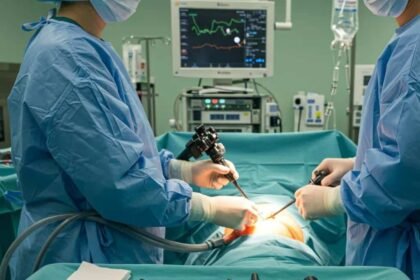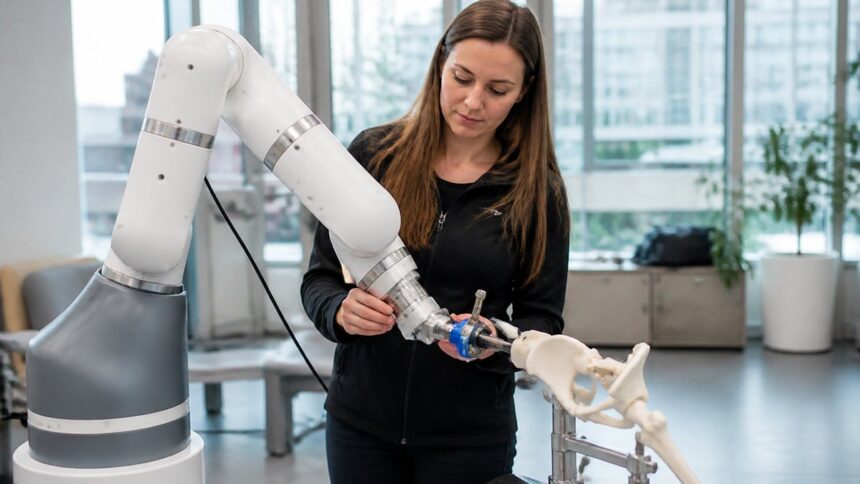
Joint pain that interrupts sleep, limits work, or makes everyday tasks exhausting commonly leads people to discuss joint replacement with an orthopedic surgeon. From the first consultation through rehabilitation, the surgeon and care team oversee each step of care. Orthopedic specialists review medical history, order imaging, discuss options, plan surgery, and outline recovery goals, adjusting care as recovery needs change. Robotic joint replacement is a tool that supports careful planning and measured decisions to support an individual’s health needs. Here is information on robotic technology and how it supports a structured path back to movement:
How Robotic-assisted Surgery Works
Robotic-assisted surgery uses a computer-guided system that works alongside the orthopedic surgeon in the operating room. The surgeon controls the system, which follows the preoperative plan and helps keep movements aligned with the patient’s mapped-out anatomy. Before surgery, the care team gathers imaging and other data, then uploads it into the robotic platform. That information helps create a three-dimensional model of the joint, which guides the procedure.
During robotic joint replacement, the technology tracks instrument position in real time. The system provides feedback that helps the surgeon stay within defined boundaries, adjust the plan as needed, and protect surrounding tissues. This type of support encourages steady, deliberate steps during bone preparation and implant placement. This system adds another layer of visual detail, consistency, and control, supporting the surgeon rather than replacing them.
Why Joint Replacements Are Beneficial
Joint replacement aims to address pain and stiffness that limit walking, climbing stairs, or standing for long periods. When a damaged joint is replaced with an artificial surface, many people find it easier to perform daily routines, supporting independence and quality of life. With less discomfort, people can return to low-impact activities that match their surgeon’s personalized advice.
Robotic joint replacement adds pre-planning advantages to this treatment process. The robotic software helps surgeons study joint alignment, bone shape, and soft-tissue balance before entering the operating room. With that information, they develop a personalized plan that reflects the patient’s:
- Anatomy
- Activity Goals
- Medical Background
This level of preparation supports thoughtful decision-making about implant size, position, and angles, which influences how the new joint feels and functions over time.
How Robotic-assisted Surgery Improves Recovery
Recovery after joint replacement depends on many factors, including overall health, adherence to physical therapy, and the surgical approach used. Robotic-assisted systems support recovery by helping surgeons follow the preoperative plan consistently, enabling balanced joint movement and stable implant positioning. When the new joint works smoothly with surrounding tissues, patients often find it easier to participate in rehabilitation exercises, progress through weight-bearing milestones, and work toward mobility goals.
Learn About Robotic Joint Replacement
To determine if robotic joint replacement aligns with your needs, schedule a consultation with an orthopedic surgeon. During this visit, the surgeon reviews symptoms, medical history, and imaging, then explains traditional and robotic-assisted surgical options. With a clear plan, you can get ongoing medical support for your joint condition. An orthopedic specialist can answer your questions about how to support your mobility effectively, so you should get timely care from a specialist near you.