

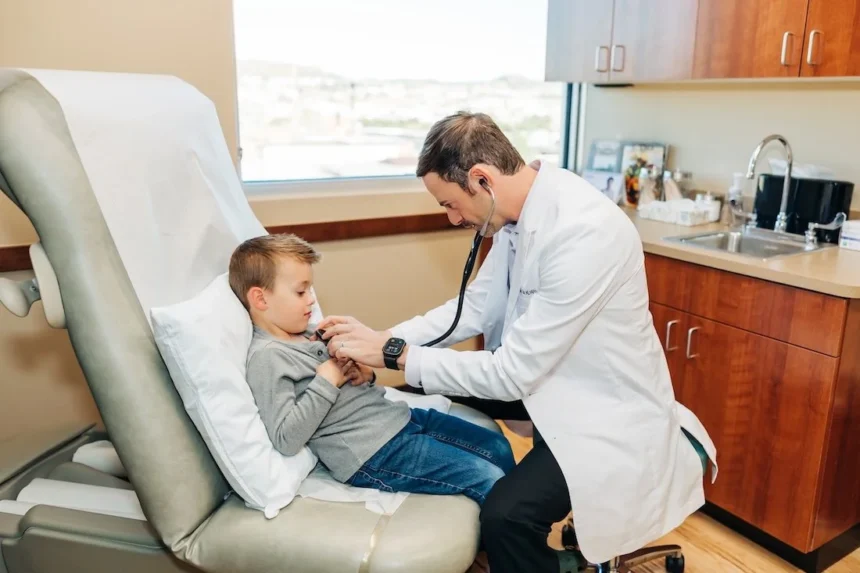
Pediatrics is the branch of medicine focused on infants, children, and teens. A pediatrician tracks growth from birth through adolescence, and this work covers physical, emotional, and social health. Since children change quickly, doctors watch closely, and regular visits give families a clear picture of a child’s health. Here is more information on the role of pediatricians:
Providing Routine Check-ups
Routine pedicatrics check-ups happen on a set schedule. Pediatricians measure height and weight, and they record these numbers over time to spot patterns. When a child attends regular visits, the doctor builds a full health history. These records help guide future care.
During each visit, the pediatrician performs a basic physical exam. The doctor checks the eyes, ears, heart, and lungs, and this step catches early signs of trouble. Since babies grow fast, early visits happen regularly. Older children typically visit once a year.
Assessing Milestones
Milestones are skills that most children reach by a certain age. A pediatrician asks about movement, speech, and social behavior, and the answers show how a child is developing. When a milestone is delayed, the doctor may suggest a closer look. Early attention gives families time to act, and standard milestones a pediatrician reviews include:
- Rolling over, sitting, and walking
- Saying the first words and simple sentences
- Responding to names and faces
- Playing near or with other children
Parents may notice changes at home first. You share what you see, and the doctor compares your notes with clinical guidelines. Since every child grows at a different pace, the timeline stays flexible.
Screening for Conditions
Screening tests look for health issues before symptoms appear. Pediatricians order tests for vision, hearing, and blood levels, and results point to any needed follow-up. When a screen flags a concern, the doctor explains the next step. Early detection shapes treatment plans.
Some conditions are hard to spot without a test. A newborn screening checks for rare metabolic disorders, and this happens soon after birth. Since certain problems have no visible signs, screening fills that gap. The process is quick and routine.
Screenings are necessary, and they may identify potential issues that otherwise go unnoticed. They are simple procedures that provide insightful information about a child’s health. While some screenings may initially raise concerns for parents, doctors guide them through the results and next steps, offering clarity and reassurance.
Providing Medical Advice
Pediatricians answer questions that come up as children grow. You ask about feeding, sleep, or behavior, and the doctor gives specific guidance based on age. When advice fits your child’s stage, it becomes easier to follow. Clear steps may reduce guesswork at home.
Vaccines are a regular topic during visits. The doctor follows a schedule set by health authorities, and each shot protects against a specific illness. Since timing matters, the pediatrician tracks which doses are due. You get a record to keep. Areas where pediatricians often give advice include:
- Feeding schedules and portion sizes
- Sleeping routines for different ages
- Managing common illnesses at home
- Performing physical activity and screen limits
Visit a Pediatrics Clinic
A pediatric clinic brings these services together in one place. When you have a regular provider, care stays consistent, and that continuity supports steady tracking. Booking a visit is a straightforward step; you schedule an appointment, and the clinic confirms a time that works for your family. Call your local pediatrics clinic today to schedule your child’s next appointment.