Glaucoma involves damage to the optic nerve due to elevated eye pressure, and it gradually affects peripheral vision. Since some people develop the disease without noticeable symptoms until vision loss progresses, early detection matters for long-term eye health. Genetics influences who develops glaucoma, and it shapes when the disease appears and how quickly it advances. Here is more information on the role of genetics:
Early-onset Forms
Early-onset forms of glaucoma appear in childhood or young adulthood, and they often follow strong genetic patterns. When structural genes guiding eye development change, the drainage angle in the eye may not form normally, and pressure trends upward. A parent may have mild signs while a child experiences earlier and more aggressive disease. This pattern suggests inherited influence.
Some early-onset cases involve a single gene with a large effect, and others involve several genes with smaller effects that interact. The same mutation might lead to different pressure levels, and lifestyle shapes this variation. Even when vision looks normal, relatives in these families benefit from periodic exams, because damage often develops before daily tasks feel affected.
Single or Multiple Mutations
Genetic changes behind glaucoma range from one dominant mutation to clusters of smaller variants that act together. A single mutation sometimes alters fluid outflow directly, and multiple variants sometimes adjust pressure regulation more subtly over decades. Check these factors:
- Several moderate variants combine to nudge pressure higher over time.
- Some mutations influence optic nerve resilience rather than pressure alone.
- Different combinations in siblings explain why disease severity varies.
Inherited Risks
Family history is a strong signal that someone faces higher risk, and it typically guides screening schedules. When a parent, sibling, or child has glaucoma, each relative has a higher chance of developing similar optic nerve changes. That risk persists even when routine vision seems stable, because the disease usually starts at the edges of the visual field.
Inherited risk interacts with age, eye structure, and systemic conditions, so genetics rarely acts alone. Thinner corneas, narrower angles, or long-term pressure fluctuations influence how a genetic tendency expresses itself. Two relatives may share similar genetic markers, yet one develops damage earlier because additional anatomical factors align.
Genetic testing sometimes enters the conversation. It typically focuses on families with aggressive or unusually early disease. A result that identifies a mutation does not guarantee vision loss, and a negative result does not rule out future problems. Eye doctors still rely on pressure measurements, optic nerve imaging, and visual field testing to track risk over time.
Adult-onset Forms
Most adult-onset forms progress slowly, and they often reflect a mix of genetic background and lifelong environmental factors. Variants in multiple genes influence how fluid drains from the eye and how the optic nerve tolerates pressure. Because symptoms stay silent for years, routine exams help detect structural changes long before central vision declines.
Get Evaluated for Glaucoma
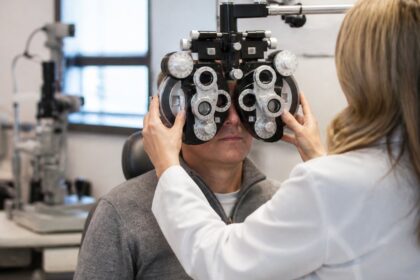
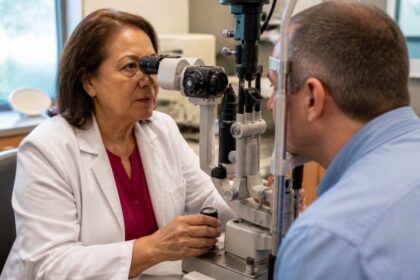
Regular eye exams support early detection, especially for people with a known family history or previous pressure concerns. A comprehensive evaluation typically includes pressure readings, optic nerve assessment, and visual field testing, and these steps help track change over time. Detailed eye examinations help identify conditions that threaten vision before symptoms appear.