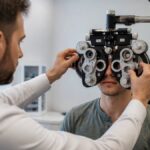
Regular dental visits support long-term oral health, especially when daily routines do not reach every area of the mouth. A dentist evaluates teeth, gums, and soft tissues more thoroughly than at-home care allows. Early findings can lead to simpler treatments, and minor concerns receive attention before they progress. Here are several reasons why regular dental visits are beneficial for oral health:
Protecting Teeth
Routine checkups focus on preventing decay rather than reacting to pain once it appears. During an exam, the dentist reviews each tooth surface and checks existing restorations for early wear. Professional cleanings remove plaque and hardened deposits that brushing and flossing leave behind. When these deposits stay in place, they increase the risk of cavities and enamel breakdown. Regular visits also support better brushing technique; this is because dental teams provide feedback based on their findings.
Supporting Gum Health
Healthy gums help anchor teeth, and they also protect the bone underneath from irritation. During a visit, the dental team measures gum depth and looks for redness or bleeding that signals inflammation. Lifestyle factors such as frequent snacking or acidic drinks can also influence gum health over time. Visiting the dentist helps with the following:
- Detecting early signs of gum disease, including redness, swelling, and bleeding.
- Identifying gum recession and changes in the tissue surrounding teeth.
- Receiving guidance on proper brushing, flossing, and daily oral hygiene.
- Preventing complications that may affect tooth stability and supporting bone.
- Creating a personalized treatment plan to maintain healthy gums and protect your smile.
Monitoring Overall Health and Habits
Oral health connects to general wellness, so routine dental exams play a broad role. During each visit, the dentist evaluates soft tissues, tongue, cheeks, and the roof of the mouth. Subtle changes in color or sensitivity sometimes relate to medical conditions outside the mouth. When patterns appear across several visits, they provide useful information for conversations with your physician. Dental professionals also screen for signs of clenching, grinding, or airway concerns during a standard visit. Flattened teeth or jaw soreness can suggest that forces on the teeth need adjustment. When these signs appear early, simple interventions help protect both teeth and jaw joints. A consistent schedule of visits builds a clear history, and that history supports better decisions about future treatment.
Regular visits encourage habits that support oral health between appointments. Professional feedback makes at-home routines more precise, and it reduces guesswork about products or techniques. When you see the same team regularly, recommendations can stay aligned with your goals and medical history. Short visits also fit more easily into a schedule than extensive restorative procedures.
Consult a Local Dentist
By visiting a local dental clinic, patients can access preventive care that fits into a routine schedule. Regular checkups help maintain oral health, and they support long-term comfort. A consistent relationship with a local practice means your records, preferences, and goals can stay in one place. When questions about teeth or gums arise, you already have access to a familiar office. Consult a local dentist to schedule an appointment and learn more about their services.