By using this site, you agree to the Privacy Policy and Terms of Use.
Accept
Googdesk.com: Complete Guide, Features, Benefits & How It Works (2026)Googdesk.com: Complete Guide, Features, Benefits & How It Works (2026)Googdesk.com: Complete Guide, Features, Benefits & How It Works (2026)
  • Cardiology
  • Urgent Care
  • Dentistry
  • Elderly Care
  • Gynecology
  • Urology
  • Blog
    • Nutrition
    • Dermatology
    • Allergy & Immunology
    • Gastroenterology
    • Internal Medicine
    • Ophthalmology
    • Pain Management
    • Physical Therapy
    • Sexual Health
    • Sleep Health
    • Weight Management
    • Women’s Health
Search
Reading: The Role of MRI in Detecting Soft Tissue Injuries
Share
Sign In
Notification Show More
Font ResizerAa
Googdesk.com: Complete Guide, Features, Benefits & How It Works (2026)Googdesk.com: Complete Guide, Features, Benefits & How It Works (2026)
Font ResizerAa
Search
Have an existing account? Sign In
Follow US
Googdesk.com: Complete Guide, Features, Benefits & How It Works (2026) > Blog > The Role of MRI in Detecting Soft Tissue Injuries
Blog

The Role of MRI in Detecting Soft Tissue Injuries

aahmadrazamughall@gmail.com
Last updated: November 25, 2026 4:08 pm
aahmadrazamughall@gmail.com
Share
The Role of MRI in Detecting Soft Tissue Injuries
SHARE

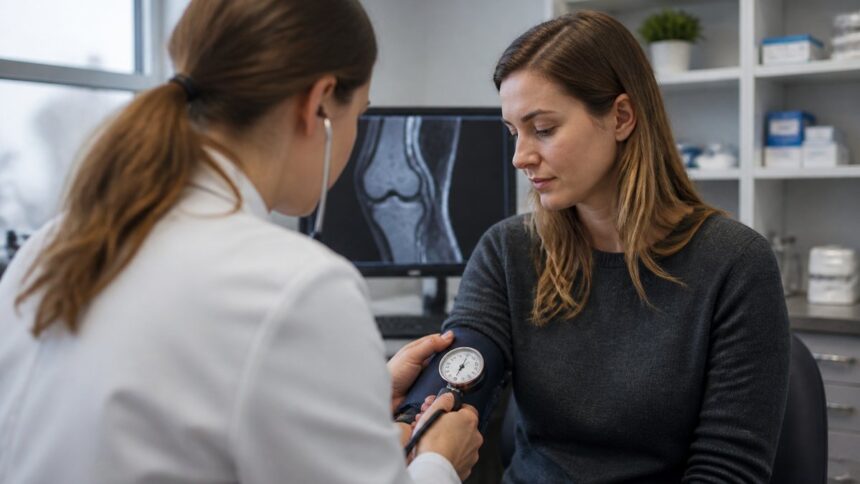
Magnetic resonance imaging (MRI) uses a strong magnetic field and radio waves to create detailed pictures of the inside of your body. Because it does not rely on ionizing radiation, MRI is often used for repeat or follow-up imaging. The scan shows muscles, tendons, ligaments, and cartilage in fine detail, and doctors use these images to plan treatment. Here is some information about the role of MRI in detecting soft tissue injuries: 

Contents
  • Detecting Common Injuries
  • Comparing to Other Scans
  • Ruling Out Conditions
  • Schedule an MRI

Detecting Common Injuries

Soft tissue injuries are common among athletes, workers, and older adults. Doctors often order an MRI when a sprain does not improve with rest. The scan shows tears in ligaments, such as the anterior cruciate ligament (ACL) in the knee. When a ligament tears, the images display the gap or thinning in the tissue. Tendon damage also appears clearly, and the images show whether a tendon is partly or fully torn.

Rotator cuff tears in the shoulder are a frequent reason for an MRI. The scan reveals the size of the tear and any nearby muscle wasting. Meniscus tears in the knee also appear on MRI, since the cartilage shows up as a dark shape with clear edges. Muscle strains show swelling and fluid, and these signs help your doctor grade the injury so you receive the right treatment.

Comparing to Other Scans

Different imaging tests provide different levels of detail, so doctors may use several types of scans to evaluate an injury. Comparing their strengths and limitations helps determine when an MRI is more useful than other imaging methods. X-rays work well for broken bones, but they show little detail in soft tissue. Muscles and ligaments appear as faint gray shapes on an X-ray. Because soft tissue blends on the film, a normal X-ray does not rule out a torn ligament.

Ultrasound uses sound waves, and it shows tendons near the skin’s surface in real time. Ultrasound has limits because sound waves do not pass through bone. Deep structures inside a joint are hard to see, and image quality depends on the skill of the person who performs the test.

CT scans combine many X-ray images into cross-sections. Though a CT scan gives a clear view of complex fractures, it shows less contrast between soft tissues. MRI provides stronger contrast between fat, fluid, muscle, and cartilage, so doctors often order it when soft tissue damage is likely. 

Ruling Out Conditions

An MRI does more than confirm an injury. It also helps doctors rule out other causes of your symptoms. Joint pain can come from a torn ligament, but it also results from inflammation, infection, or a growth. When the scan shows no tear, your doctor looks at these other causes next. MRI detects bone bruises and stress fractures that X-rays miss. Fluid buildup, cysts, and nerve compression also appear on the images. If the scan shows a pinched nerve in your back, your doctor treats the nerve, and you avoid treatment for a problem you don’t have. Clear results narrow the list of possible causes, and they reduce the need for extra tests.

Schedule an MRI

Pain, swelling, or weakness that lasts more than a few weeks after an injury usually benefits from further evaluation. Your doctor reviews your symptoms and orders the scan. After a radiologist reads the images, your doctor explains the findings, and you work on a treatment plan. Contact an imaging clinic today to schedule an MRI. 

  • Advanced Care for Meniscus Injuries
  • Recognizing Stroke Symptoms for Timely Intervention
  • What To Look for When Choosing an OBGYN
  • The Role of Primary Care Physicians in Managing Chronic Illnesses
  • How Anesthesiologists Help With Modern Healthcare

© googdesks.com 2026 | All Right Reserved

Sign Up For Daily Newsletter

Be keep up! Get the latest breaking news delivered straight to your inbox.
By signing up, you agree to our Terms of Use and acknowledge the data practices in our Privacy Policy. You may unsubscribe at any time.
Share This Article
Facebook Copy Link Print
Share
Previous Article Effective Strategies for Managing Chronic Back Pain Effective Strategies for Managing Chronic Back Pain
Next Article Exploring Treatment Options for Warts Exploring Treatment Options for Warts

Stay Connected

248.1kLike
69.1kFollow
134kPin
54.3kFollow
banner banner
Create an Amazing Newspaper
Discover thousands of options, easy to customize layouts, one-click to import demo and much more.
Learn More

Latest News

Advanced Care for Meniscus Injuries
Elderly Care
Recognizing Stroke Symptoms for Timely Intervention
Blog
What To Look for When Choosing an OBGYN
Blog
The Role of Primary Care Physicians in Managing Chronic Illnesses
Elderly Care

You Might also Like

Preventing Plantar Warts
Blog

Preventing Plantar Warts

aahmadrazamughall@gmail.com
4 Min Read
The Role of Proper Foot Care To Avoid Ingrown Toenails
Blog

The Role of Proper Foot Care To Avoid Ingrown Toenails

aahmadrazamughall@gmail.com
4 Min Read
The Best Omegle Alternatives for Diverse Interests
Blog

The Best Omegle Alternatives for Diverse Interests

aahmadrazamughall@gmail.com
5 Min Read

About US

//
Providing trusted health insights, wellness advice, and expert resources to support your journey toward better health every day.

Quick Link

  • Home
  • About Us
  • Privacy Policy
  • Contact Us
Googdesk.com: Complete Guide, Features, Benefits & How It Works (2026)Googdesk.com: Complete Guide, Features, Benefits & How It Works (2026)
Follow US
Welcome Back!

Sign in to your account

Username or Email Address
Password

Lost your password?