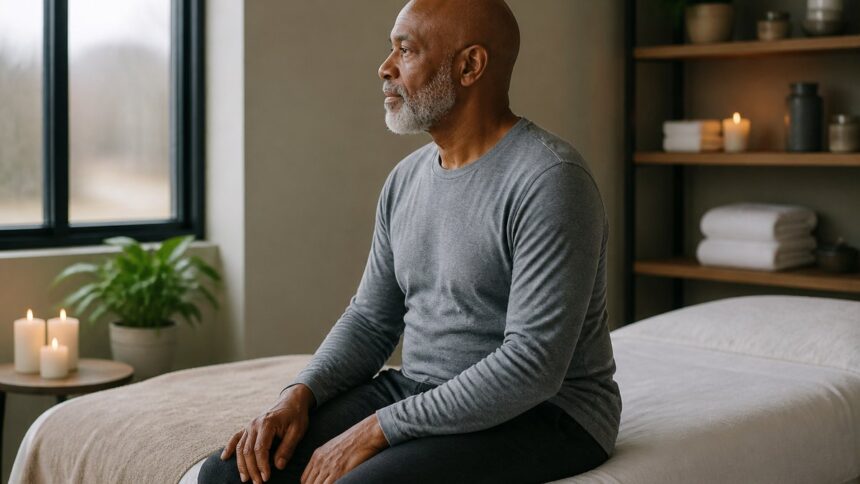
Wellness is the ongoing practice of caring for your body and mind. When you build a personal plan, you align your daily habits with your health needs and schedule. A balanced plan addresses physical health, nutrition, and mental health so that each one supports the others. Here are some ways to build a personalized wellness plan for a balanced life:
Evaluate Physical Wellness
Before you set new goals, you need a clear picture of your current health and body composition. Body scans measure body fat, muscle mass, and water levels to provide a more detailed assessment than weight alone. These results identify areas that may benefit from improvement, and they help you set measurable goals for your wellness plan.
You should also consider other aspects of physical health, including your activity level, sleep habits, and energy throughout the day; these factors affect your overall health. If you experience ongoing fatigue or physical discomfort, discuss these concerns with your healthcare provider. Combining body composition measurements with an understanding of your daily habits gives you a more comprehensive starting point for improving physical wellness.
Establish Healthy Nutrition
Food choices play a role in digestive health and the connection between your gut and brain. Fiber in fruits, vegetables, and whole grains supports beneficial gut bacteria. Fermented foods such as yogurt and kefir provide probiotics. Highly processed foods and excess added sugar can disrupt the balance of your gut microbiome, so limiting these items may support digestive health.
Nutritional coaching helps you understand which foods support your gut and how to incorporate them into your daily routine. Meal planning and healthy cooking guidance also make it easier to maintain these changes over time. Some nutrition recommendations may include:
- Fill half your plate with vegetables and fruits at most meals.
- Choose whole grains such as brown rice, oats, or whole wheat bread.
- Include a source of protein, such as beans, fish, eggs, or poultry, at each meal.
- Drink water throughout the day and limit sugary beverages.
- Plan and prepare meals one or two days in advance.
- Choose simple snacks like nuts, yogurt, or fruit.
Develop Strategies for Mental Health
Mental health affects your focus, sleep, and relationships with others. A personalized wellness plan should address emotional concerns alongside physical health goals. Therapy provides a way to work through ongoing stress, anxiety, and other challenges, and it helps you develop healthier coping skills. Mental health workshops help participants strengthen communication skills and build healthier relationships. These services can help you identify areas where you need support and develop practical strategies for maintaining emotional wellness.
Social connection also contributes to long-term emotional wellness. Make time for friends and family, and prioritize activities that allow you to build and maintain meaningful relationships. If your schedule or location makes in-person support difficult, virtual therapy sessions are an alternative to office visits. Some wellness clinics also offer support groups for continued personal development and connection with others.
Visit a Wellness Center
Building a personalized wellness plan involves making consistent choices that support your physical, nutritional, and mental health. Start by evaluating your current habits and identifying areas you want to improve. Set realistic goals that fit your daily schedule, and your doctor can help you make adjustments as your needs and priorities change. Contact a wellness clinic today to schedule a consultation.