Problems in the joints may affect how you move. As research advances, regenerative medicine has become an available treatment option for joint repair. It focuses on supporting the body’s own healing processes, and it draws on tools like platelets and biologic materials.
What Is Regenerative Medicine?
Regenerative medicine refers to therapies that aim to support or restore structure and function in damaged tissues. The goal is not just to manage symptoms; it revolves around guiding the body’s natural repair systems. Approaches may use material taken from the person’s own blood or tissues. Some treatments focus on growth factors, which are proteins that can influence how cells behave. These signals affect how they respond to injury. When growth factors are concentrated and placed near a damaged joint, they may interact with local cells and tissues. The response varies from person to person, and doctors can track progress over time.
What Does It Treat?
Joint-focused regenerative medicine may target wear-and-tear issues and soft tissue injuries. People with knee, hip, or ankle discomfort sometimes explore these therapies. Some patients have cartilage thinning from degenerative joint changes, and others have tendon or ligament strains. Treatment plans differ because each joint, and each pattern of damage, has its own demands.
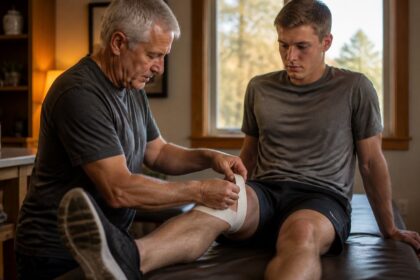
Sports injuries can also be addressed, and they range from mild sprains to more persistent problems. Doctors may look at how the injury started, along with how long it has lasted and how it affects daily movement. That context can help determine whether a regenerative approach fits into the broader care plan.
What Approaches Fall Under It?
One treatment option is platelet-rich plasma, which comes from a sample of the person’s own blood. The blood is processed to concentrate platelets, and these platelets contain growth factors that influence tissue behavior. The prepared solution then goes into the targeted joint or soft tissue. Recovery plans may include activity guidelines. Doctors can monitor how symptoms change over weeks or months.
Structured rehabilitation may also remain a core part of joint repair. Targeted exercises help retrain muscles around the joint, and they can support balance and coordination. When biologic treatments are used, therapists may adapt programs to protect healing tissues while still promoting motion. Lifestyle adjustments round out the plan, and they can address load on the joint during work, sport, and daily tasks.
Seek Professional Medical Care
Anyone interested in regenerative options for joint repair benefits from a medical evaluation. A doctor may review your medical history, examine the joint, and interpret imaging so that the treatment plan matches the actual problem. This process also helps identify situations where biologic therapies are not appropriate, and it can reduce the risk of pursuing a method that does not fit your condition. Regular check-ins let the care team adjust exercise plans, refine support strategies, and revisit treatment choices as new evidence appears. When regenerative medicine is part of the strategy, this steady oversight may help align expectations with realistic results, and it keeps the focus on safe, functional improvement over time.