
Kidney stone treatment is one of the most commonly searched health topics because kidney stones can cause sudden, severe pain that is difficult to ignore. A kidney stone is a hard deposit made of minerals and salts that forms inside the kidneys. When these stones move through the urinary tract, they can cause sharp pain, difficulty in urination, and other serious discomforts.
- What Are Kidney Stones?
- Causes of Kidney Stones
- 1. Not Drinking Enough Water
- 2. High Salt Diet
- 3. High Protein Diet
- 4. Family History
- 5. Certain Medical Conditions
- 6. Lack of Physical Activity
- Symptoms of Kidney Stones
- 1. Severe Pain
- 2. Pain While Urinating
- 3. Blood in Urine
- 4. Frequent Urination
- 5. Nausea and Vomiting
- 6. Cloudy or Foul-Smelling Urine
- Types of Kidney Stones
- Kidney Stone Treatment Options
- 1. Drinking Plenty of Water (Natural Treatment)
- 2. Pain Management
- 3. Medical Expulsion Therapy
- 4. Shock Wave Lithotripsy (SWL)
- 5. Ureteroscopy
- 6. Percutaneous Nephrolithotomy (PCNL)
- 7. Laser Treatment
- Home Remedies for Kidney Stones
- 1. Drink Lemon Water
- 2. Stay Hydrated
- 3. Reduce Salt Intake
- 4. Eat Healthy Diet
- 5. Avoid Soda and Processed Foods
- Prevention of Kidney Stones
- 1. Drink Enough Water Daily
- 2. Eat Low-Salt Diet
- 3. Limit Animal Protein
- 4. Stay Active
- 5. Monitor Health Conditions
- When Should You See a Doctor?
- Recovery After Kidney Stone Treatment
- Complications of Untreated Kidney Stones
- Conclusion
- Frequently Asked Questions (FAQs)
The good news is that kidney stones are treatable, and in many cases, they can also be prevented. Treatment depends on the size, type, and location of the stone. Some stones pass naturally, while others require medical procedures.
In this article, we will explain kidney stone treatment in simple language, including causes, symptoms, treatment options, prevention tips, and recovery advice.
What Are Kidney Stones?
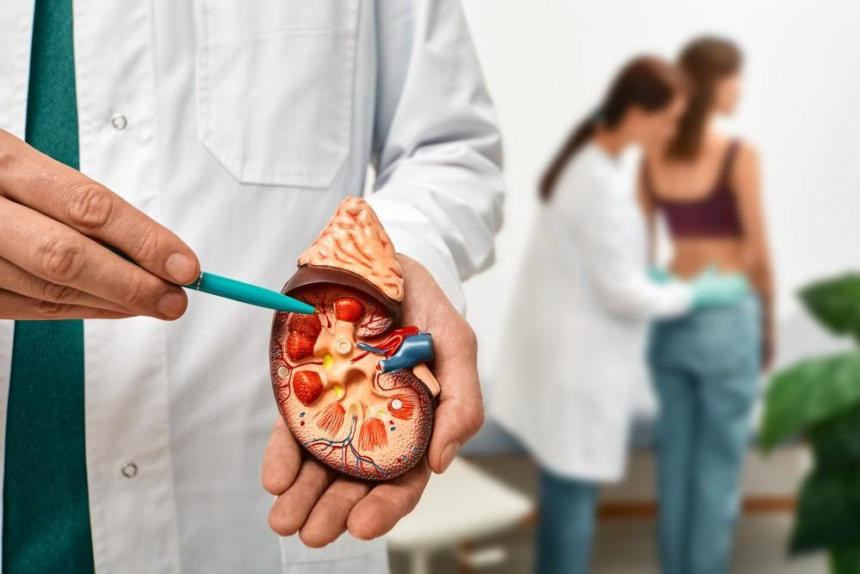
Kidney stones are solid crystal-like deposits that form in the kidneys when certain minerals in urine become highly concentrated. These minerals stick together and slowly form stones.
Kidney stones can be as small as a grain of sand or as large as a pebble. Small stones may pass out of the body without treatment, but larger stones can block the urinary tract and cause severe pain.
Causes of Kidney Stones
There are several reasons why kidney stones form. Some of the most common causes include:
1. Not Drinking Enough Water
Low water intake makes urine more concentrated, allowing minerals to form crystals.
2. High Salt Diet
Eating too much salt increases calcium in urine, which can lead to stone formation.
3. High Protein Diet
Eating too much red meat or animal protein increases uric acid levels.
4. Family History
If someone in your family has had kidney stones, your risk increases.
5. Certain Medical Conditions
Diseases like diabetes, obesity, and urinary infections can increase risk.
6. Lack of Physical Activity
A sedentary lifestyle can also contribute to stone formation.
Symptoms of Kidney Stones
Symptoms can vary depending on the size and movement of the stone. Common symptoms include:
1. Severe Pain
Pain in the back, side, or lower abdomen is the most common symptom.
2. Pain While Urinating
Burning or sharp pain during urination.
3. Blood in Urine
Urine may appear pink, red, or brown.
4. Frequent Urination
A constant urge to urinate.
5. Nausea and Vomiting
Pain can sometimes cause nausea.
6. Cloudy or Foul-Smelling Urine
This may indicate infection.
Types of Kidney Stones
Understanding the type of stone helps in proper treatment.
1. Calcium Stones
Most common type, usually made of calcium oxalate.
2. Uric Acid Stones
Formed when urine is too acidic.
3. Struvite Stones
Often caused by urinary infections.
4. Cystine Stones
Rare and caused by genetic conditions.
Kidney Stone Treatment Options
Treatment depends on the size and severity of the stone.
1. Drinking Plenty of Water (Natural Treatment)
Small kidney stones can often pass naturally by increasing water intake.
Doctors recommend:
- 2 to 3 liters of water daily
- Lemon water (helps break down stones)
- Staying hydrated throughout the day
This is the simplest form of kidney stone treatment.
2. Pain Management
Kidney stones can cause severe pain. Doctors may prescribe:
- Pain relievers
- Anti-inflammatory medications
- Muscle relaxants for urinary tract
Pain control is an important part of treatment.
3. Medical Expulsion Therapy
Doctors may prescribe medicines that help relax the urinary tract muscles, making it easier for stones to pass naturally.
4. Shock Wave Lithotripsy (SWL)
This is a non-invasive treatment that uses sound waves to break kidney stones into smaller pieces so they can pass easily.
It is commonly used for medium-sized stones.
5. Ureteroscopy
In this procedure:
- A thin tube is inserted into the urinary tract
- The stone is located and removed or broken
It is effective for stones stuck in the ureter.
6. Percutaneous Nephrolithotomy (PCNL)
This is a surgical procedure used for large kidney stones.
Doctors make a small incision in the back to remove the stone directly.
7. Laser Treatment
A laser is used to break stones into tiny pieces that can pass naturally.
Home Remedies for Kidney Stones
While medical treatment is important, some home care can help:
1. Drink Lemon Water
Citric acid helps break calcium-based stones.
2. Stay Hydrated
Water helps flush out the urinary system.
3. Reduce Salt Intake
Less salt reduces calcium buildup.
4. Eat Healthy Diet
Include fruits and vegetables.
5. Avoid Soda and Processed Foods
These increase stone risk.
Prevention of Kidney Stones
Prevention is always better than treatment. Here are some tips:
1. Drink Enough Water Daily
Keep urine light-colored.
2. Eat Low-Salt Diet
Reduce processed and fast food.
3. Limit Animal Protein
Balance meat intake with vegetables.
4. Stay Active
Regular exercise improves kidney health.
5. Monitor Health Conditions
Control diabetes and blood pressure.
When Should You See a Doctor?
You should visit a healthcare professional if you experience:
- Severe back or side pain
- Blood in urine
- Difficulty urinating
- Persistent nausea
- Fever with urinary pain
Early treatment can prevent complications.
Recovery After Kidney Stone Treatment
Recovery depends on the treatment method used:
- Natural passing: few days
- Lithotripsy: 1–2 weeks
- Surgery: 2–4 weeks
Doctors may recommend drinking plenty of water and avoiding heavy physical activity during recovery.
Complications of Untreated Kidney Stones
If kidney stones are not treated, they can lead to:
- Severe infection
- Kidney damage
- Urinary blockage
- Recurrent stones
- Chronic pain
That is why timely treatment is very important.
Conclusion
Kidney stone treatment depends on the size, type, and location of the stone. Small stones may pass naturally with hydration, while larger stones may require medical procedures like lithotripsy or surgery.
The most important part of kidney stone care is prevention. Drinking enough water, maintaining a healthy diet, and regular medical checkups can significantly reduce the risk of developing stones.
With proper treatment and lifestyle changes, kidney stones can be managed effectively, allowing patients to return to a healthy and pain-free life.
Frequently Asked Questions (FAQs)
1. What is the fastest way to pass a kidney stone?
Drinking plenty of water and taking prescribed medications can help small stones pass naturally.
2. Is kidney stone treatment painful?
Some treatments may cause mild discomfort, but doctors use pain management techniques to reduce pain.
3. Can kidney stones come back after treatment?
Yes, kidney stones can recur if preventive measures are not followed.
4. How long does it take to recover from kidney stone treatment?
Recovery time varies from a few days to a few weeks depending on the treatment method.
5. What foods should I avoid with kidney stones?
Avoid high-salt foods, processed foods, excessive meat, and sugary drinks.