
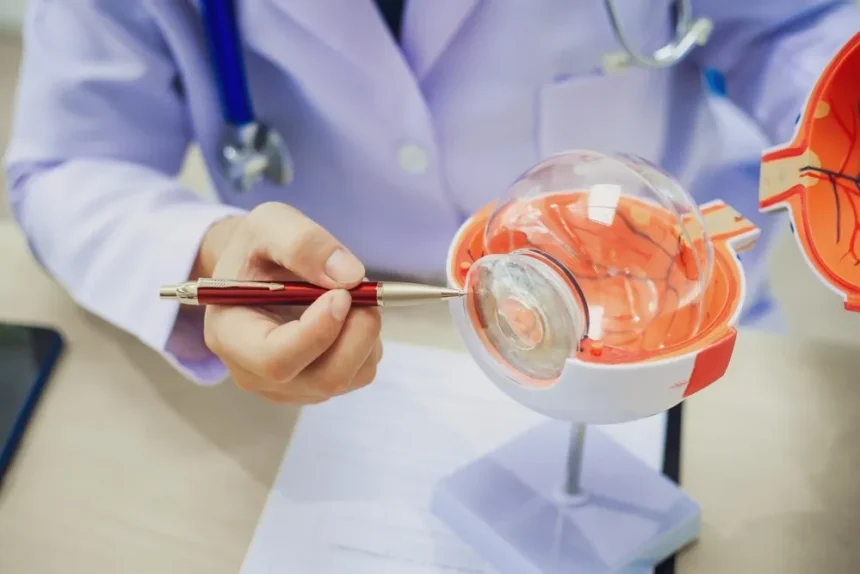
A retina specialist focuses on the back of your eye, and they diagnose and manage conditions affecting the retina, macula, and vitreous. These doctors complete extra training, and they treat complex cases that general eye doctors refer to them. If you notice sudden floaters, flashes, or blurred vision, one of these specialists may examine you. Here is more information about these specialists:
Laser-assisted Therapy
Lasers help the retina specialist seal or shrink damaged blood vessels. Focal laser treatment targets leaking vessels, and it addresses swelling caused by diabetic retinopathy. This approach treats problems without cutting into the eye.
The doctor directs a focused beam at precise spots on your retina during the session. Other methods cover a wider area, and it slows the growth of abnormal vessels. Since the procedure happens in an office, most patients go home the same day.
Prescription Eyewear
Some retinal conditions leave lasting changes in your vision. A specialist may recommend prescription eyewear to help you use your remaining sight. Glasses do not repair the retina, but they adjust how light reaches it.
Low-vision aids offer another practical option for daily tasks. These tools magnify text and improve contrast, and they support people with macular damage. Your specialist coordinates with an optometrist to fit the right devices. Options a specialist might suggest include:
- Magnified lenses for reading
- Tinted glasses to reduce glare
- Custom prism lenses for specific alignment issues
Surgical Repair
Surgery becomes an option when a retina detaches or tears. A vitrectomy removes the gel-like fluid inside your eye, and the surgeon then replaces it with a saline solution or gas bubble. This procedure treats detachments, macular holes, and bleeding inside the eye.
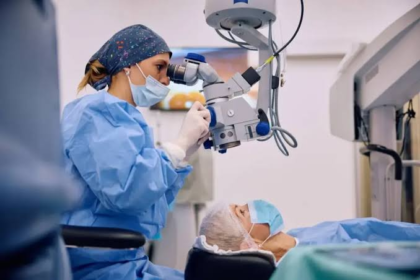
Since the retina sits deep within the eye, the specialist uses microscopic instruments during the operation. Recovery times vary between patients, and some people need to hold a specific head position for several days. Your surgeon explains the aftercare steps before you leave the clinic.
There is another surgical approach for certain detachments. The surgeon places a small silicone band around the outside of your eye. When the retina reattaches, this band supports the tissue and reduces further pulling. Your specialist selects the method based on the type and location of the problem.
Pneumatic Retinopexy
Pneumatic retinopexy repairs some retinal detachments without major surgery. The specialist injects a small gas bubble into your eye, and this bubble presses the retina back against the wall. You then keep your head in a set position while the tissue heals.
Before this step, the doctor uses a laser or freezing treatment to seal the tear. The bubble dissolves on its own over the following weeks. This method suits detachments in the upper part of the retina, though your specialist confirms whether you qualify. Here are common conditions a specialist may treat this way:
- Upper retinal detachments with a single tear
- Tears near the top edge of the retina
- Cases without significant scar tissue
See a Retina Specialist Today
Retinal problems can progress quietly before symptoms appear. A specialist reviews your history, examines your eyes, and explains what each finding means. If you notice new floaters, flashes, or vision loss, schedule an appointment soon. Call a retina specialist near you to book a comprehensive exam, and bring a list of your symptoms and current medications to that visit.