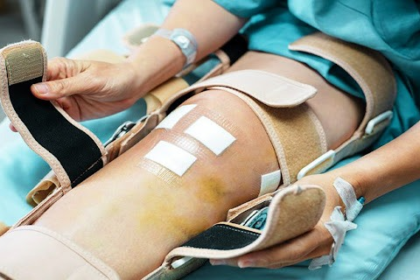
Platelet-rich plasma, often shortened to PRP, uses a small sample of your own blood to support natural healing in damaged tissue. It is an injection option for managing some types of joint pain; it may reduce pain and improve joint function. Here is more information on the benefits of PRP therapy for joint pain management:
How Is PRP Prepared?
Preparing PRP begins with a sample of the patient’s own blood. A clinician spins the sample to separate its components and collect plasma with a higher concentration of platelets.
Blood Sample Collection and Preparation
PRP starts as a regular blood draw, and the sample usually comes from a vein in your arm. The tube goes into a device that spins at high speed, separating the blood into layers. One layer contains more platelets than the others, and this layer becomes the injectable fluid. Your care team labels the sample, verifies your information, and prepares the joint for treatment.
PRP Injection
The platelet layer is drawn into a syringe, and the rest of the blood is discarded. The doctor targets the painful joint, and ultrasound guidance can support accurate placement. PRP is injected into the joint space or nearby tissues, and the platelets begin releasing growth factors. You leave with aftercare instructions, and activity limits depend on the joint and your baseline health.
What Are Its Potential Outcomes?
People turn to PRP therapy when joint pain persists despite rest, medication, or physical therapy. Some patients report less stiffness over time, and others notice easier movement when walking or climbing stairs. Pain relief often appears gradually, and the joint sometimes feels sore before it starts to improve. Results vary between individuals, and outcomes differ between mild joint wear and more advanced arthritis.
Improved mobility helps you return to basic tasks. As discomfort decreases, exercise becomes more feasible, which can support joint health. Some patients still use bracing, stretching, or therapy; these tools work alongside injections rather than replacing everything else. Your doctor tracks changes in pain scores and function to judge whether the approach is helpful.
What Are PRP’s Limits?
PRP does not rebuild a completely destroyed joint, and it does not replace joint replacement surgery in every case. Results vary from person to person, and not every painful knee, hip, or shoulder responds to this therapy. Your medical history, joint damage level, and daily demands will influence whether this approach is of benefit. Side effects still exist, although the injection uses your own blood. Temporary soreness, swelling, or stiffness around the joint may occur after treatment, and these symptoms usually fade.
How Does PRP Compare?
Joint pain management rarely relies on a single tool. Each approach has its own benefits and tradeoffs, and people often move through more than one over time. Your doctor reviews imaging, exam findings, and your goals before recommending a plan. Here are some other options that may be included in your treatment plan:
- Oral medications: Anti-inflammatory drugs and pain relievers reduce symptoms and work throughout the body.
- Corticosteroid injections: Steroid shots reduce inflammation quickly, but relief can fade as the drug wears off.
- Hyaluronic acid injections: These injections add lubrication to some joints, and they focus on smoother movement.
- Physical therapy: Targeted exercises build strength and flexibility, and they support joint stability and function.
- Surgical procedures: Arthroscopy or joint replacement address structural problems, and recovery timelines are longer.
Learn More About PRP
Joint pain management works best when you understand each option, including what PRP adds to the plan. A focused exam and review of your history help your doctor judge whether this therapy fits your situation. Some practices combine interventional techniques, medication management, and rehabilitation. To learn more about PRP, contact a qualified pain management physician near you to schedule your consultation today.