

Post-traumatic stress disorder (PTSD) affects more than the individual who carries the diagnosis; its reach extends into everyday family life. The condition reshapes interactions and alters family roles. As emotional bonds erode over time, the relationships that once provided stability may become sources of tension and confusion. Recognizing these patterns helps restore balance and connection.
What Is PTSD?
PTSD is a psychiatric condition that develops after exposure to a traumatic event. Triggering events can include combat, abuse, accidents, or natural disasters, and symptoms generally fall into four broad categories: intrusive memories, avoidance behaviors, negative changes in mood and cognition, and heightened reactivity. These symptoms persist for more than one month, which impairs daily functioning.
Not every person exposed to trauma will develop PTSD, and understanding the factors that influence its onset is beneficial. Risk factors include the severity and duration of the trauma, prior mental health history, and the level of social support available afterward. Since the condition can emerge immediately after an event or surface months later, early recognition of symptoms facilitates timely intervention.
How Are Relationships Affected?
PTSD sometimes disrupts emotional intimacy. Common relational effects of PTSD include:
- Difficulty expressing affection or emotional vulnerability
- Heightened reactivity that leaves partners feeling uncertain or on edge
- Withdrawal from intimacy despite a desire for connection
- Communication breakdowns that neither partner fully understands
These patterns can erode trust and strain even well-established relationships.
How Do Family Dynamics Change?
Within the family unit, PTSD may lead to a reorganization of roles. Children may learn to manage a parent’s emotional state, which can interfere with age-appropriate independence. This pattern is common; it places an undue burden on younger family members who lack the emotional capacity to process what they are experiencing.
A spouse or co-parent may absorb additional responsibilities to compensate for the affected partner’s limitations, and this imbalance has the potential to produce resentment or emotional exhaustion over time. Family members may feel secondary to the disorder itself. Secondary traumatic stress, a phenomenon in which close relatives develop trauma-like symptoms through repeated exposure to distressing episodes or narratives, sometimes emerges as a result of this prolonged exposure.
The relational damage that PTSD causes is not a reflection of the affected person’s character. It is a systemic response to unresolved trauma, and it is one that can be addressed with targeted, evidence-based care. While the effects on family dynamics can be significant, they are not permanent.
When Is Professional Care Necessary?
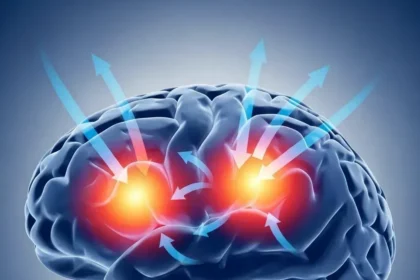
Professional intervention becomes appropriate when symptoms begin to interfere with daily functioning, relational stability, or parenting capacity. One treatment option is ketamine therapy. Ketamine may interrupt the neurological pathways associated with fear consolidation and hyperarousal, which offers rapid symptom relief when conventional treatments have proven insufficient. Clinicians administer ketamine therapy in a controlled clinical setting under medical supervision, and it supports deeper, sustained recovery for individuals with PTSD. Patients evaluating this option should consult a qualified mental health provider who can assess their history and treatment needs.
Consult a Mental Health Professional
PTSD is a complex condition with measurable consequences for relationships and family functioning. Emotional withdrawal, hypervigilance, role disruption, and secondary traumatic stress are all effects that extend beyond the individual into their closest relationships. If you or someone you care for is experiencing symptoms consistent with PTSD, speak with a qualified mental health professional. A thorough clinical evaluation can clarify the diagnosis, and they will identify the most suitable treatment option.