

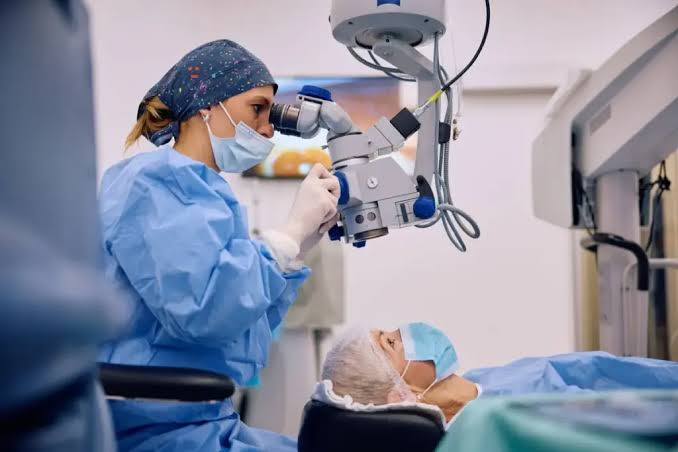
Cataracts are one of the most common eye problems, especially as people get older. They can slowly make your vision cloudy, blurry, or less colorful. When cataracts start affecting daily life, doctors may recommend cataract surgery consultation to discuss treatment options and plan the best way to restore clear vision.
- What Is a Cataract?
- What Is a Cataract Surgery Consultation?
- Why Is Cataract Surgery Consultation Important?
- 1. Proper Diagnosis
- 2. Personalized Treatment Plan
- 3. Understanding the Procedure
- 4. Reducing Fear and Anxiety
- 5. Choosing the Right Lens
- Who Needs a Cataract Surgery Consultation?
- What Happens During a Cataract Surgery Consultation?
- 1. Medical History Discussion
- 2. Vision Test
- 3. Eye Examination
- 4. Eye Measurements
- 5. Eye Pressure Test
- 6. Cataract Evaluation
- 7. Surgery Discussion
- Types of Intraocular Lenses (IOLs)
- Preparing for Cataract Surgery After Consultation
- Benefits of Cataract Surgery Consultation
- 1. Clear Understanding
- 2. Safe Treatment Planning
- 3. Better Vision Outcomes
- 4. Confidence and Comfort
- 5. Early Action
- Is Cataract Surgery Safe?
- Recovery After Cataract Surgery
- Tips for a Successful Cataract Consultation
- Emotional Side of Cataract Consultation
- Conclusion
This consultation is an important first step before surgery. It helps patients understand their eye condition, learn about the procedure, and make informed decisions about their care.
In this article, we will explain what cataract surgery consultation means, why it is important, what happens during the visit, and how it helps patients prepare for surgery—all in simple and human-friendly language.
What Is a Cataract?
Before understanding the consultation, it is important to know what a cataract is.
A cataract happens when the natural lens inside your eye becomes cloudy. This cloudiness develops slowly and affects how light passes through the eye.
Common symptoms of cataracts include:
- Blurry or cloudy vision
- Difficulty seeing at night
- Sensitivity to light
- Seeing halos around lights
- Faded colors
- Frequent changes in glasses prescription
Cataracts are usually caused by aging, but they can also develop due to:
- Diabetes
- Eye injury
- Long-term sun exposure
- Certain medications
- Genetic factors
If not treated, cataracts can lead to serious vision problems.
What Is a Cataract Surgery Consultation?
A cataract surgery consultation is a detailed medical appointment with an eye specialist, usually an ophthalmologist, where your eye condition is fully examined and surgery options are discussed.
During this consultation, the doctor:
- Confirms if you have cataracts
- Checks how advanced they are
- Explains whether surgery is needed
- Discusses surgical options
- Answers your questions and concerns
It is not the surgery itself, but the planning stage before surgery.
Why Is Cataract Surgery Consultation Important?
This consultation is very important because it helps patients understand everything clearly before making a decision.
1. Proper Diagnosis
The doctor confirms whether cataracts are the main cause of vision problems or if something else is involved.
2. Personalized Treatment Plan
Every eye is different. The consultation helps create a plan based on your eye condition and lifestyle.
3. Understanding the Procedure
Patients learn how the surgery works, what to expect, and how long recovery will take.
4. Reducing Fear and Anxiety
Many people feel nervous about eye surgery. The consultation helps clear doubts and build confidence.
5. Choosing the Right Lens
If surgery is needed, the doctor helps choose an artificial lens (IOL) that replaces the cloudy lens.
Who Needs a Cataract Surgery Consultation?
You should consider a cataract consultation if you:
- Have blurry or cloudy vision
- Struggle with reading or driving
- See glare from lights at night
- Notice colors look dull
- Have difficulty doing daily tasks due to poor vision
- Are over 50 years old with vision changes
Even if symptoms are mild, early consultation helps track cataract development.
What Happens During a Cataract Surgery Consultation?
A cataract consultation is a detailed but simple process. It usually includes several steps.
1. Medical History Discussion
The doctor asks about:
- Your vision problems
- Medical conditions like diabetes or high blood pressure
- Past eye surgeries or injuries
- Medications you are taking
2. Vision Test
You may be asked to read an eye chart to check how clearly you can see.
3. Eye Examination
The doctor examines your eye using special instruments to look at the lens, retina, and cornea.
4. Eye Measurements
Measurements are taken to determine the correct lens power for surgery.
5. Eye Pressure Test
This checks for glaucoma or other pressure-related issues.
6. Cataract Evaluation
The doctor assesses how dense or advanced the cataract is.
7. Surgery Discussion
If surgery is needed, the doctor explains:
- Procedure steps
- Type of lens options
- Risks and benefits
- Recovery time
Types of Intraocular Lenses (IOLs)
During cataract surgery consultation, one of the most important decisions is choosing the artificial lens.
Common types include:
1. Monofocal Lens
- Provides clear vision at one distance (usually far)
- May need glasses for reading
2. Multifocal Lens
- Helps see at multiple distances
- Reduces need for glasses
3. Toric Lens
- Corrects astigmatism along with cataracts
The doctor will help choose the best option based on your eyes and lifestyle.
Preparing for Cataract Surgery After Consultation
If surgery is recommended, the doctor will guide you on how to prepare.
You may be asked to:
- Stop certain medications temporarily
- Use prescribed eye drops
- Avoid food or drink before surgery (if required)
- Arrange transportation for surgery day
You will also receive instructions for post-surgery care.
Benefits of Cataract Surgery Consultation
A proper consultation offers many benefits:
1. Clear Understanding
You learn everything about your eye condition and treatment options.
2. Safe Treatment Planning
The doctor ensures surgery is safe and suitable for you.
3. Better Vision Outcomes
Proper planning improves surgical success.
4. Confidence and Comfort
Patients feel more relaxed after understanding the procedure.
5. Early Action
Early consultation helps prevent vision loss from worsening cataracts.
Is Cataract Surgery Safe?
Yes, cataract surgery is one of the safest and most common surgeries worldwide. It has a high success rate and is usually completed within 15–30 minutes.
However, the consultation is important to ensure:
- You are fit for surgery
- There are no hidden eye conditions
- The correct lens is selected
Recovery After Cataract Surgery
After surgery, most patients recover quickly.
Common recovery points:
- Vision improves within a few days
- Complete healing takes a few weeks
- Eye drops are needed for healing
- Follow-up visits are important
The consultation prepares you for this entire process.
Tips for a Successful Cataract Consultation
To make the most of your appointment:
- Bring your current glasses
- List your symptoms clearly
- Share your medical history honestly
- Ask questions about surgery and recovery
- Take notes during the consultation
This helps the doctor give better care and advice.
Emotional Side of Cataract Consultation
Many patients feel nervous when they first hear about cataract surgery. This is normal. The consultation helps reduce fear by:
- Explaining the procedure in simple terms
- Showing how common and safe it is
- Answering concerns patiently
- Giving real expectations
Most patients feel more confident after their visit.
Conclusion
A cataract surgery consultation is the first and most important step toward restoring clear vision. It is not just a medical check—it is a complete guide that helps you understand your eye health, explore treatment options, and prepare for surgery safely.
Cataracts may slowly affect your vision, but with timely consultation and treatment, you can regain clear sight and improve your quality of life. If you notice changes in your vision, do not wait too long. Early consultation can make a big difference in protecting your eyesight.
Clear vision is not just about seeing better—it is about living better.
FAQs
1. What happens in a cataract surgery consultation?
The doctor examines your eyes, confirms cataracts, and explains surgery options and lens choices.
2. Is cataract surgery consultation painful?
No, it is completely painless and includes simple eye tests and discussions.
3. How long does a consultation take?
It usually takes 30 to 60 minutes depending on the tests required.
4. Do I need surgery after the consultation?
Not always. The doctor will decide based on how advanced your cataract is.
5. Can I drive after a cataract consultation?
Usually yes, but if your eyes are dilated during the exam, it is safer to bring someone with you.