
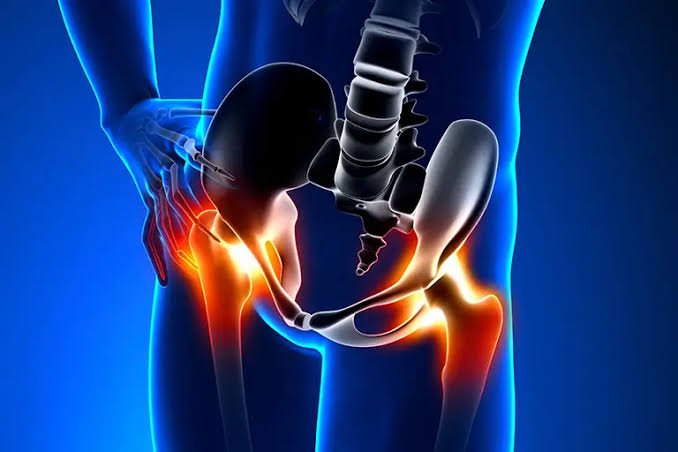
Hip pain may result from injuries, overuse, or conditions affecting the bones, joints, muscles, and surrounding tissues. Treatment options include rest, medication, physical therapy, or surgery, depending on the underlying cause and severity. Here is an overview of the common causes and treatments for hip pain:
Identifying Injuries and Overuse
Injuries and repetitive strain are among the frequent triggers of hip pain. Some develop after a fall, while others build up slowly over months of activity. Here are some common injury-related causes:
- Muscle and tendon strains: Overstretching or sudden movements often strain the muscles and tendons around the hip.
- Bursitis: The small fluid-filled sacs that cushion the joint may become inflamed.
- Labral tears: The ring of cartilage lining the hip socket can tear during twisting motions, and you may feel catching, locking, or a deep ache in the joint.
- Stress fractures: Repeated impact from running or high-mileage training can create small cracks in the bone.
- Overuse from repetitive motion: Athletes and active workers who repeat the same movements often develop inflammation.
Examining Joint and Health Conditions
Not all hip pain is a result of an injury; some cases trace back to conditions that affect the joint itself. Osteoarthritis, which develops as protective cartilage wears down over time, is a leading cause among older adults. It often brings morning stiffness and a grinding sensation. Inflammatory conditions such as rheumatoid arthritis can also target the hip, causing swelling and warmth around the joint that lingers for weeks.
Other health factors often play a role, and they may not be obvious at first. Osteonecrosis, a condition where reduced blood flow damages bone tissue, can weaken the hip and produce persistent pain. Conditions that affect the spine or lower back sometimes send referred pain into the hip. This makes an accurate diagnosis a key part of finding relief.
Exploring Conservative Treatment Options
People may find meaningful relief without surgery, and doctors often start with conservative care before recommending anything else. These approaches aim to reduce pain, restore movement, and strengthen the muscles that support the joint. Here are some common first steps:
- Rest and activity changes: Reducing high-impact movement gives inflamed tissue time to recover, and adjustments to your routine may prevent repeated strain.
- Physical therapy: A therapist guides you through targeted exercises to build strength and flexibility.
- Anti-inflammatory measures: Ice, heat, and doctor-approved medications can ease swelling, and they often make daily tasks more manageable.
- Assistive devices: A cane or supportive footwear can take pressure off the hip, helping you stay mobile while you heal.
- Corticosteroid injections: A targeted injection may calm inflammation inside the joint.
Reviewing Advanced Medical Treatments
When conservative care no longer provides relief from your symptoms, your doctor may recommend advanced treatments. These focus on repairing or replacing damaged structures. Arthroscopy, a minimally invasive procedure that uses small incisions and a camera, allows surgeons to repair torn cartilage or remove damaged tissue. Recovery from these procedures varies, and your care team will explain what to expect based on your health and goals.
For severe joint damage, hip replacement surgery may become an option; this procedure swaps the worn joint for an artificial one. Surgeons often recommend this step when pain limits your independence. Your provider will review the benefits and risks with you, and together you decide whether this approach aligns with your needs.
Schedule Your Hip Pain Appointment
Hip pain can significantly impact your daily life. Understanding the causes and treatment options can help you improve your quality of life. Conservative care can provide relief, and advanced procedures offer solutions when symptoms persist. A specialist can guide you toward a plan that restores your strength and movement. Contact a qualified surgeon in your locality to schedule your hip pain appointment today.