
Transcranial magnetic stimulation (TMS) is a non-invasive brain stimulation therapy used to treat depression, anxiety, post-traumatic stress disorder (PTSD), and obsessive-compulsive disorder (OCD). It delivers magnetic pulses to specific brain regions, and it may be administered across multiple sessions. Since TMS is FDA-approved, it serves as a clinically recognized alternative for patients who have not responded to medication. Here is more information on this treatment option:
What Is TMS?
Transcranial magnetic stimulation (TMS) is a non-invasive brain stimulation therapy approved by the U.S. Food and Drug Administration (FDA). It uses magnetic fields to stimulate specific brain regions associated with mood regulation and compulsive behavior, which requires no surgery or anesthesia. Magnetic pulses are delivered directly through the scalp, and they target precise areas of the brain.
The FDA first cleared TMS in 2008 for major depressive disorder, and its approved applications have since expanded to include OCD, PTSD, and anxiety. TMS is an alternative for patients whose symptoms have not responded adequately to conventional treatments such as antidepressants. Since medication does not produce results for every patient, TMS offers a valuable option when standard pharmacological approaches fail.
How Does It Work?
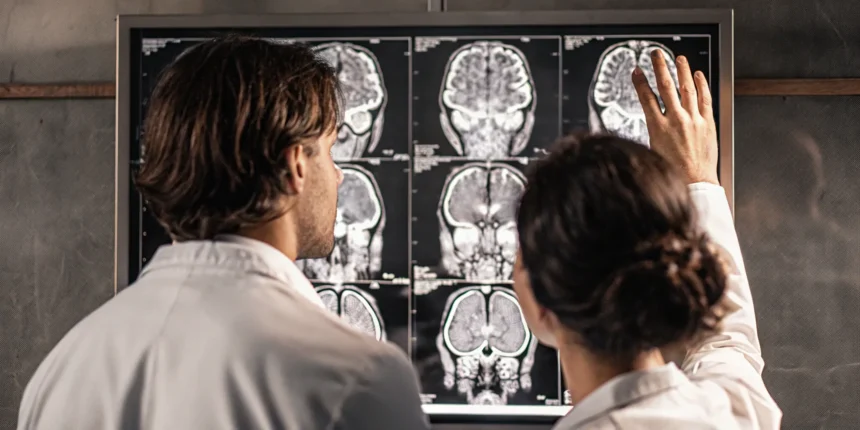
During a TMS session, a magnetic coil is placed against the scalp near the forehead, and it emits short magnetic pulses that pass through the skull and stimulate nerve cells in the targeted brain region. These pulses target the prefrontal cortex, which plays a role in mood and decision-making. This stimulation activates underactive neural circuits associated with certain mental health disorders.
The prefrontal cortex may be underactive in patients with a mental health disorder, and TMS targets this region to restore more typical brain activity. Repeated stimulation gradually recalibrates neural activity over time. Because the effects build incrementally across multiple sessions, a single treatment is insufficient to produce meaningful results.
Who Does It Help?
TMS is primarily used for adults diagnosed with major depressive disorder, anxiety, PTSD, or OCD. It may be recommended for patients who have not responded adequately to one or more antidepressant medications; this condition is referred to as treatment-resistant depression. Not every patient is a candidate, so a thorough screening process is conducted before treatment begins.
What Does the Process Entail?
Before beginning TMS, a specialist conducts a thorough evaluation to confirm that the therapy is appropriate for the patient. This evaluation reviews the patient’s medical and psychiatric history, current medications, and prior treatment outcomes, which helps the clinician gain a comprehensive understanding of their condition. Accurate coil placement and stimulation settings depend on this information, so the evaluation is central in developing an individual treatment plan.
A standard TMS course may consist of:
- Regular sessions conducted over several weeks
- Each session lasting up to 40 minutes, depending on the protocol used
- A follow-up assessment to evaluate symptom changes
Consult a Specialist Today
TMS helps adults living with a mental health disorder, particularly those who have not found relief through conventional medication. The process is structured, and the side effects may be manageable. If you think TMS may be appropriate for your situation, speak with a qualified mental health specialist. A professional consultation will help clarify whether TMS is appropriate for your diagnosis, treatment history, and overall health profile.