
Spider veins are small, damaged blood vessels that appear close to the skin’s surface, often appearing as thin blue, red, or purple lines. These veins branch out in a web-like pattern, which is how they got their name. Spider veins develop when the tiny valves inside them weaken, allowing blood to pool instead of flowing smoothly back to the heart. Several factors can contribute to their formation, including genetics, hormonal changes, prolonged standing, sun exposure, and aging. While spider veins are generally a cosmetic concern, many people want to learn more about available treatment options. Here’s more information on these types of veins and how they are treated:
Where Do They Appear?
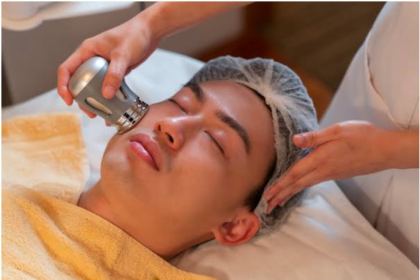
Spider veins most commonly appear on the legs and face. On the legs, they often appear on the thighs, calves, and ankles, while on the face, they often form around the nose and cheeks. These veins are very common, and studies suggest that a large percentage of adults will notice them at some point in their lives. They appear more frequently in women, and the likelihood of developing them tends to increase with age. Because they sit close to the surface of the skin, spider veins are usually easy to spot.
Are They Uncomfortable?
For many people, spider veins cause no physical symptoms and remain purely cosmetic, but some individuals do experience symptoms. Some individuals report mild sensations near their veins, including:
- Aching
- Burning
- Itching
- Heaviness in the Legs
Symptoms can become more noticeable after long periods of standing or sitting. People choose to address their visible veins for a variety of reasons. Some are motivated by the way the veins look, while others want to reduce mild discomfort. Whatever the motivation, treatment options can help minimize their appearance.
How Do You Treat Them?
Several approaches exist for managing visible veins, ranging from simple daily habits to procedures performed by a specialist. The appropriate choice depends on the size, location, and severity of the veins, and a vascular specialist can help determine which option is best. Certain adjustments to your daily routine may help reduce the appearance of spider veins or slow the formation of new ones. Regular exercise supports healthy circulation, and maintaining a stable weight can ease pressure on the veins in your legs. Elevating your legs, avoiding long periods of standing, and wearing compression stockings are additional strategies that some people find helpful.
Endovenous Laser Therapy
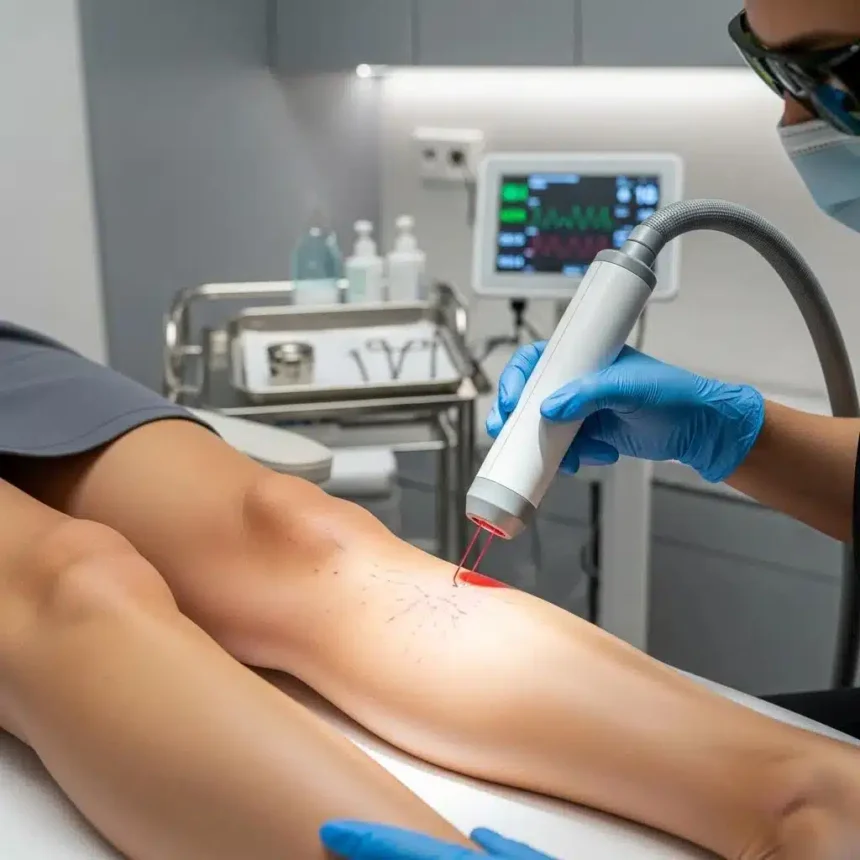
Endovenous laser therapy (EVLT) uses focused laser energy to treat problem veins, so it is minimally invasive. Due to this minimally invasive approach, EVLT is often performed on an outpatient basis. During the procedure, a thin fiber is inserted into the vein, and the laser delivers heat that closes the vein. Over time, the treated vein fades as blood reroutes to nearby healthier vessels.
Foam or Ultrasound-guided Sclerotherapy
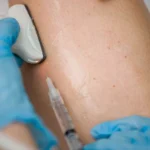
Sclerotherapy involves injecting a solution directly into the affected veins, causing them to shrink and gradually fade. In foam sclerotherapy, the solution is mixed into a foam that can treat larger areas or veins. Ultrasound guidance lets the specialist see veins deeper beneath the skin, and this precision helps target vessels not visible on the surface.
Manage Your Spider Veins
Spider veins are common, and understanding your treatment options can help you decide how to manage them. Whether you want to focus on lifestyle adjustments or a professional procedure, a specialist can guide you through the process. Taking action early gives you the chance to explore treatments before the veins become more noticeable. If you want to address your veins, contact a vascular vein center today. A consultation can provide clear answers and help you move toward the results you want.