
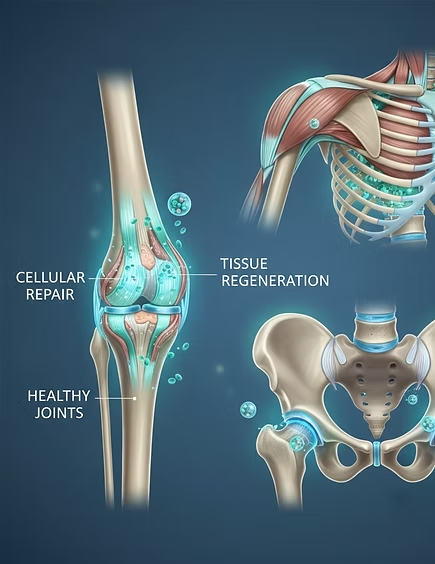
A joint replacement is a surgical procedure that removes a damaged joint and replaces it with an artificial one, called an implant or prosthesis. People may need this surgery when a joint wears down, is injured, or is affected by conditions such as arthritis. Living with joint damage is challenging and can limit movement and make daily tasks harder over time. When you need a joint replacement, knowing what recovery typically involves can help you set realistic expectations and prepare for each stage. Here is more information on joint replacing surgery and the recovery timeline afterward:
Managing Early Pain
Pain after joint replacement is a normal response to both the surgery itself and the body’s healing process. During the first few weeks, doctors use a combination of prescription and over-the-counter pain medications to keep discomfort manageable. As healing progresses, many people gradually reduce their reliance on stronger medications. At home, pain management usually centers on two approaches: following your medication schedule closely and icing the area. Icing can reduce swelling around the new joint, and staying consistent with your prescribed doses helps keep pain steady rather than letting it spike.
Several health factors may influence how quickly you recover after surgery. Age, weight, pre-surgery activity level, and overall health all play a role, and conditions such as diabetes may affect healing rates. Smoking and poor nutrition can also slow your progress, which is why doctors recommend stopping smoking before surgery. Discussing these factors with your care team before surgery gives you a clearer picture of your individual timeline.
Starting Key Exercises
Staying still for too long can make recovery harder, so most care teams encourage motion soon after surgery. Physical therapy often begins within a day of the procedure, sometimes while you are still in the hospital. Early sessions focus on simple, guided movements and safe ways to stand and walk. Early movement is central to recovery because gentle activity:
- Encourages Blood Flow
- Helps Prevent Stiffness
- Supports Joint Strength
Physical therapy sessions typically last between 30 and 60 minutes, but their frequency depends on your progress and your provider’s plan. Your therapist will adjust each session as your strength and range of motion improve. Consistency matters more than intensity in these early weeks. Following your therapist’s instructions and completing recommended home exercises supports steady progress and helps you regain function over time.
Avoiding Certain Movements
Every newly replaced joint carries a temporarily increased risk of dislocation while the surrounding tissues heal. This risk is most notable in hips and shoulders, where the range of motion is wide, and the joint structure allows greater movement. Your care team will explain which specific movements to avoid based on the joint you had replaced and the surgical approach used. For hip replacements, this often means limiting how far you bend, twist, or cross your legs, and your surgeon will provide clear guidance on safe positioning. For shoulder replacements, you may be asked to avoid reaching in certain directions or lifting heavy objects. These precautions are usually temporary and ease as healing advances.
Prepare for Your Joint Replacement Recovery
Recovery after joint replacement unfolds in stages, and understanding each one can help you prepare. The early weeks focus on managing pain through medication and icing, while physical therapy helps you rebuild movement and strength. At the same time, following movement precautions protects your new joint while surrounding tissues heal. Individual timelines vary based on the joint involved, your overall health, and how closely you follow your care team’s advice. By staying informed and working closely with your providers, you can prepare effectively for recovery.